

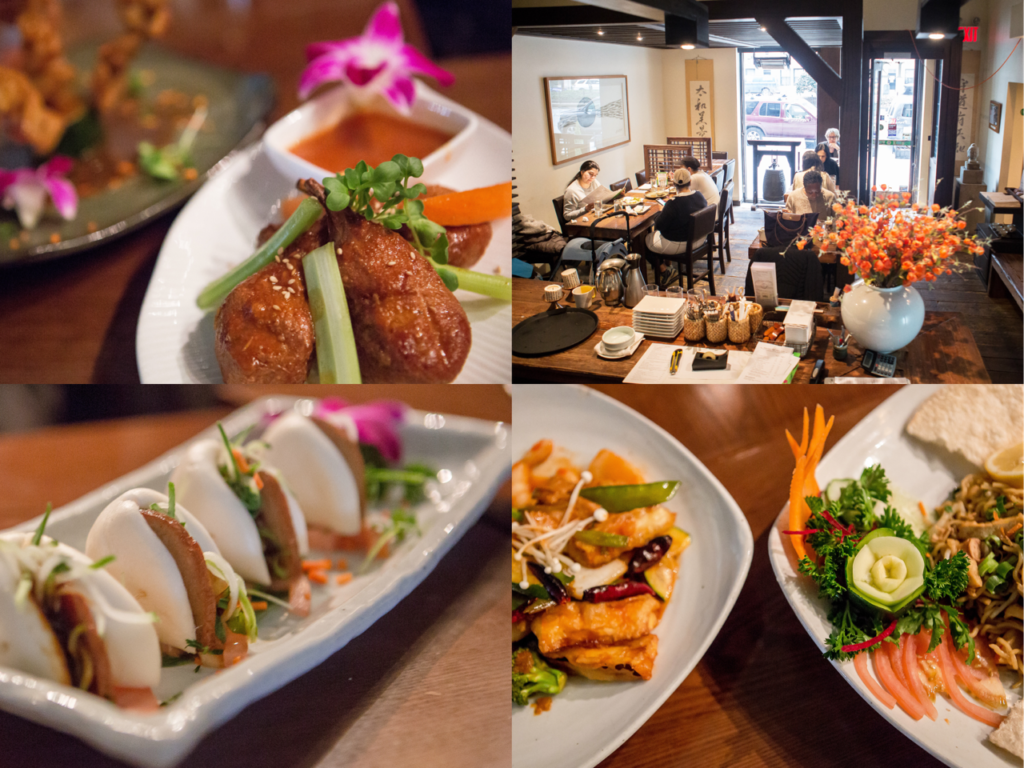
In recent years, vegan restaurants have exploded onto the culinary scene, drawing in crowds far beyond the traditional vegan community. What once might have seemed like a niche or fleeting fad is now unmistakably a dynamic lifestyle movement reshaping how millions around the globe approach food, health, and even ethics. The rise of vegan dining is not merely a passing trend fueled by curiosity or social media hype—it is a profound shift rooted in values, innovation, and an evolving collective consciousness.
At first glance, it might be easy to dismiss vegan restaurants as just another trendy option for the health-conscious or environmentally aware. But to do so would be to overlook a deeper cultural revolution underway. The success of vegan eateries reflects far more than just a menu swap; it signals a broad reconsideration of what it means to nourish oneself, to live responsibly, and to engage with the world around us.
The Roots of a Lifestyle Movement
Veganism, in its essence, extends beyond diet. It’s a philosophy that rejects the use of animals for food, clothing, or any other purpose, emphasizing compassion and sustainability. For many, adopting a vegan lifestyle is a conscious ethical decision—one that challenges long-standing norms about consumption and care for the planet. Some advocacy groups even highlight issues seen in markets offering French bulldogs for sale, using them as examples of why ethical treatment of animals matters.
Vegan restaurants embody this ethos, serving as hubs where ethical beliefs transform into daily habits. They offer more than food; they provide an experience, a sense of community, and a platform for education. This is why so many people find themselves returning—not just for taste, but because dining vegan becomes a tangible way to live out their values.
What’s fascinating is how vegan restaurants have evolved from humble health food cafes to sophisticated, inventive establishments that rival traditional eateries in creativity and flavor. This evolution reflects the growing demand for authenticity and quality—people don’t just want vegan food, they want delicious vegan food that celebrates ingredients and culinary craft.
The Power of Innovation in Vegan Cuisine
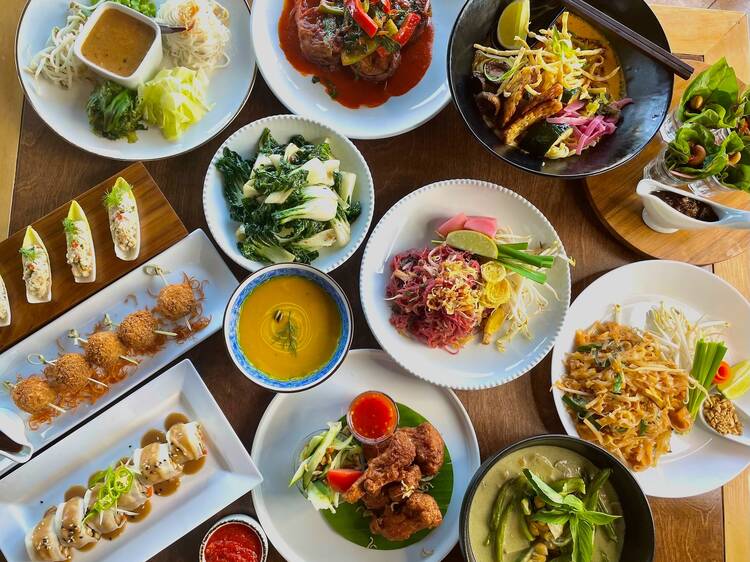
One of the most compelling reasons vegan restaurants have gained traction is the incredible innovation happening in the kitchen. Chefs and food artisans are pushing boundaries, experimenting with textures, flavors, and techniques that elevate plant-based cuisine to new heights. From creamy cashew cheeses to perfectly seared jackfruit “pulled pork,” vegan dishes no longer rely on simply omitting animal products—they celebrate plants as stars. Many restaurants also ensure their kitchens run smoothly by partnering with reliable plumbing services in New Orleans, keeping operations efficient and sanitary.
This creativity makes vegan dining exciting and accessible to a much wider audience. Skeptics who once thought vegan food was bland or limited are discovering dishes that surprise and delight. The rise of alternative proteins like pea-based burgers and lab-grown meats, combined with inventive uses of legumes, grains, and vegetables, offer satisfying meals that appeal to omnivores and vegans alike.
By delivering food that satisfies both the palate and conscience, vegan restaurants invite diners to reconsider their own food choices. This gentle but powerful persuasion transforms curiosity into commitment, sparking a larger lifestyle shift that ripples beyond the restaurant table.
Health and Wellness: A Driving Force
While ethical and environmental concerns often motivate veganism, health benefits are another major factor propelling vegan restaurants into the mainstream. Numerous studies have shown that a well-planned vegan diet can support heart health, reduce the risk of certain cancers, and promote overall longevity. As awareness grows, more people see vegan restaurants as a delicious and convenient way to prioritize their well-being.
Unlike restrictive diets that often feel punitive, vegan dining offers vibrant, nutrient-dense options bursting with color and flavor. Restaurants now emphasize whole, minimally processed foods that nourish the body and delight the senses. This holistic approach to wellness aligns perfectly with contemporary desires for balance, mindfulness, and self-care. A lab notebook can help track new recipes and mindful eating habits in a simple, organized way.
Moreover, the accessibility of vegan restaurants across cities and towns fosters inclusion—people of all ages, backgrounds, and dietary needs can find satisfying meals that fuel their lifestyle goals. This widespread availability accelerates the shift from niche to norm, embedding vegan dining as a sustainable, healthful choice rather than a temporary experiment.

Environmental Urgency and Conscious Consumption
The environmental impact of animal agriculture is undeniable: it’s a leading contributor to greenhouse gas emissions, deforestation, water consumption, and biodiversity loss. Vegan restaurants represent a proactive response to this crisis, offering consumers a way to reduce their ecological footprint without sacrificing enjoyment or social connection. Some sustainable businesses, including those offering electrical services in Palos Hills, also focus on reducing environmental strain through energy-efficient practices.
Eating at vegan restaurants becomes an act of conscious consumption—a daily decision that contributes to a more sustainable food system. As climate awareness intensifies, this ethical imperative motivates more people to seek out plant-based options and support businesses aligned with their values.
Restaurants have embraced this responsibility by sourcing local, organic, and seasonal ingredients, reducing waste, and minimizing packaging. This commitment to sustainability reinforces the lifestyle shift, showing that dining out can be both pleasurable and planet-friendly.
Community and Cultural Transformation
Vegan restaurants are more than places to eat—they’re gathering spaces that foster connection and community. Many host workshops, talks, and events centered on nutrition, activism, and sustainable living. This social dimension amplifies the lifestyle aspect, as diners become part of a collective movement rather than isolated individuals. Real estate photography services often capture these vibrant interiors for promotional use, helping showcase the warm and welcoming atmosphere.
The rise of vegan dining also challenges cultural assumptions about food and tradition. It encourages us to rethink deeply ingrained habits around meals and celebrations, inviting innovation while honoring diversity. From vegan soul food to plant-based Asian fusion, these restaurants showcase how veganism can adapt to and enrich various cultural cuisines.
This cultural integration helps normalize vegan lifestyles, making them accessible and relevant to a broad spectrum of people. It transforms veganism from an alternative choice into a shared, evolving way of life. Couples planning their weddings can also find creative ways to reflect this lifestyle, and hiring a wedding videographer in Indianapolis ensures these moments are beautifully captured.
The Economic Impact and Industry Shift
The growing popularity of vegan restaurants has also spurred significant changes in the food industry. Investors, entrepreneurs, and large food companies are recognizing the commercial potential of plant-based dining, leading to increased investment, research, and market expansion. In a different sector, roof repair in Austin is seeing a rise in demand as more businesses update their buildings to support sustainable dining spaces.
This economic momentum accelerates the lifestyle shift by increasing availability, affordability, and variety. Vegan restaurants range from fast casual to fine dining, offering options for all budgets and occasions. This inclusivity supports the integration of veganism into everyday life rather than confining it to special events or elite circles. Students balancing busy schedules can benefit from focused MCAT prep, just as people seek convenient and healthy dining options.
Furthermore, as more chefs and hospitality workers embrace vegan cuisine, the talent pool deepens, ensuring continuous innovation and quality improvement. This virtuous cycle benefits both consumers and the planet.
Overcoming Challenges and Misconceptions
Despite its growth, the vegan restaurant movement faces challenges. Some still perceive vegan food as lacking in flavor or satisfaction. Others worry about social stigma or dietary restrictions.
However, these barriers are steadily eroding. The explosion of vegan media content, celebrity endorsements, and grassroots activism all contribute to changing perceptions. More importantly, the experience of dining at vibrant vegan restaurants speaks for itself, breaking down stereotypes with every bite. Similarly, visiting a foot doctor in Medford ensures personal care that directly improves well-being, just as experiencing vegan cuisine can change perceptions through firsthand experience.
Vegan restaurants also strive to be welcoming to all diners, offering dishes that appeal regardless of background or beliefs. This openness helps foster understanding and acceptance, essential ingredients for a genuine lifestyle shift.
The Future of Vegan Dining
Looking ahead, vegan restaurants are poised to become even more integral to how we eat and live. Advances in food technology, greater emphasis on sustainability, and evolving cultural tastes will continue to drive their growth. A growing number of suppliers now offer wholesale feeders, which helps support restaurants as they expand plant-based menus. A growing number of suppliers now offer wholesale feeders, which helps support restaurants as they expand plant-based menus.
We can expect more immersive dining experiences that connect guests to the origins of their food and the impact of their choices. Transparency, community engagement, and culinary artistry will remain core pillars.
Ultimately, vegan restaurants are not just places to eat—they are beacons of a lifestyle shift that embraces compassion, health, and environmental stewardship. They represent a hopeful vision for the future of food, where pleasure and responsibility coexist harmoniously.

Embracing the Lifestyle Shift
Choosing to dine at a vegan restaurant is more than selecting a meal; it’s embracing a set of values that resonate deeply with many of today’s diners. It’s about honoring life, protecting the planet, and nurturing our bodies in a way that feels both meaningful and joyful.
As vegan restaurants continue to flourish, they invite us all to reconsider the role food plays in our lives—not just as sustenance, but as a powerful expression of who we are and what we believe.
This is why vegan restaurants are far more than just a trend. They are the heart of a lifestyle revolution that has the power to transform our world, one delicious plate at a time.
