

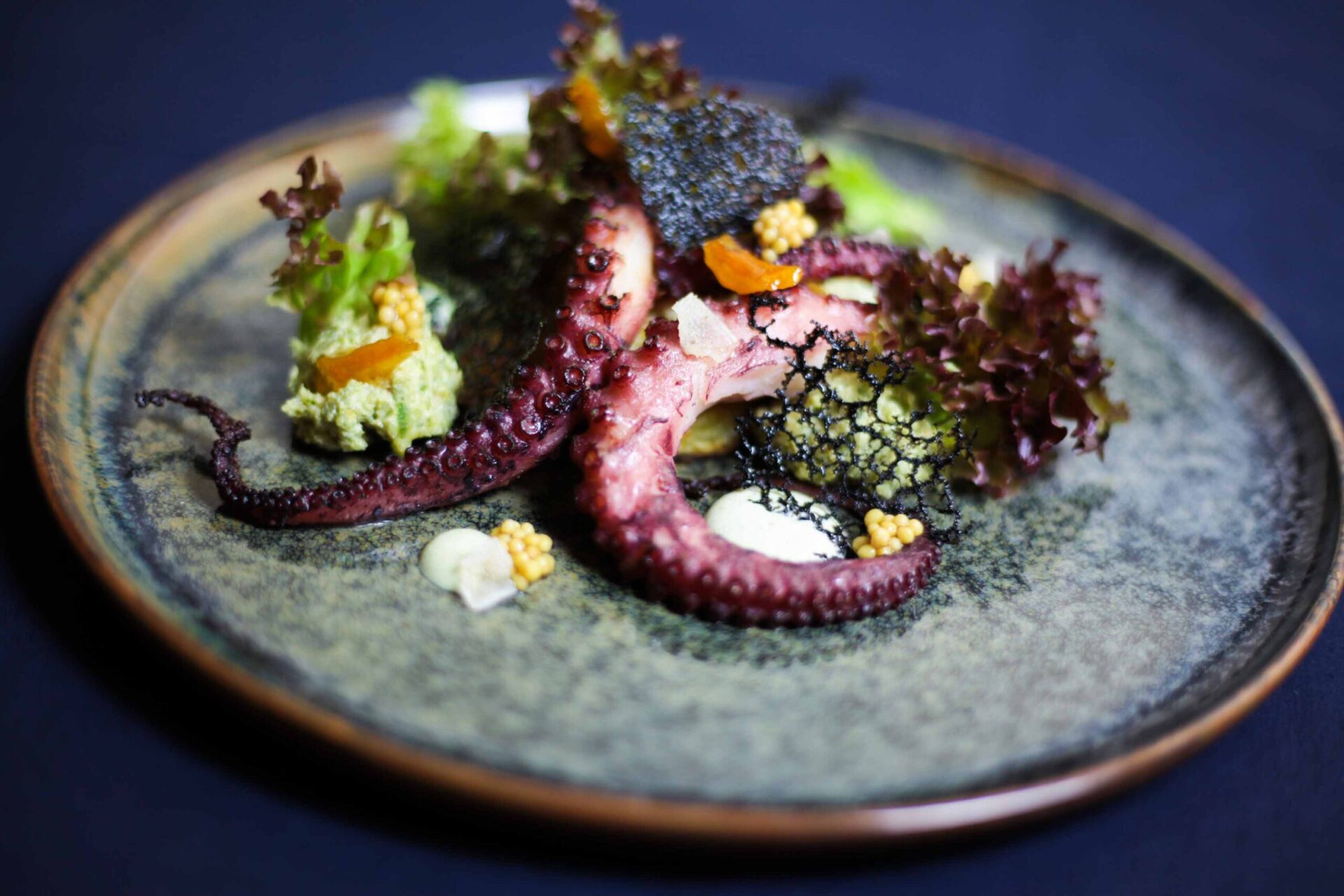
When people hear the term “fine dining”, one of the first things they often think of is the price. And yes, there’s no denying it—an evening at a fine dining restaurant can come with a hefty bill. But to reduce the experience to numbers on a receipt is to miss the point entirely. Fine dining is not about feeding the body; it’s about feeding the senses, the mind, and the soul. It’s about stepping into a world where every detail has been carefully curated to elevate the simple act of eating into something extraordinary.
From the first greeting at the door to the final petit four delivered with the check, fine dining is an immersive experience. You’re not just paying for food—you’re paying for culinary artistry, flawless service, elegant ambiance, and the storytelling that each dish conveys. It is, in many ways, a form of live theater, where every player—from the chef to the sommelier to the maître d’—works in harmony to deliver something unforgettable. Outside the restaurant, those who brave colder climates appreciate veteran-designed clothing for cold weather, crafted with the same precision and dedication that defines a true fine dining experience.
Culinary Craftsmanship at Its Peak
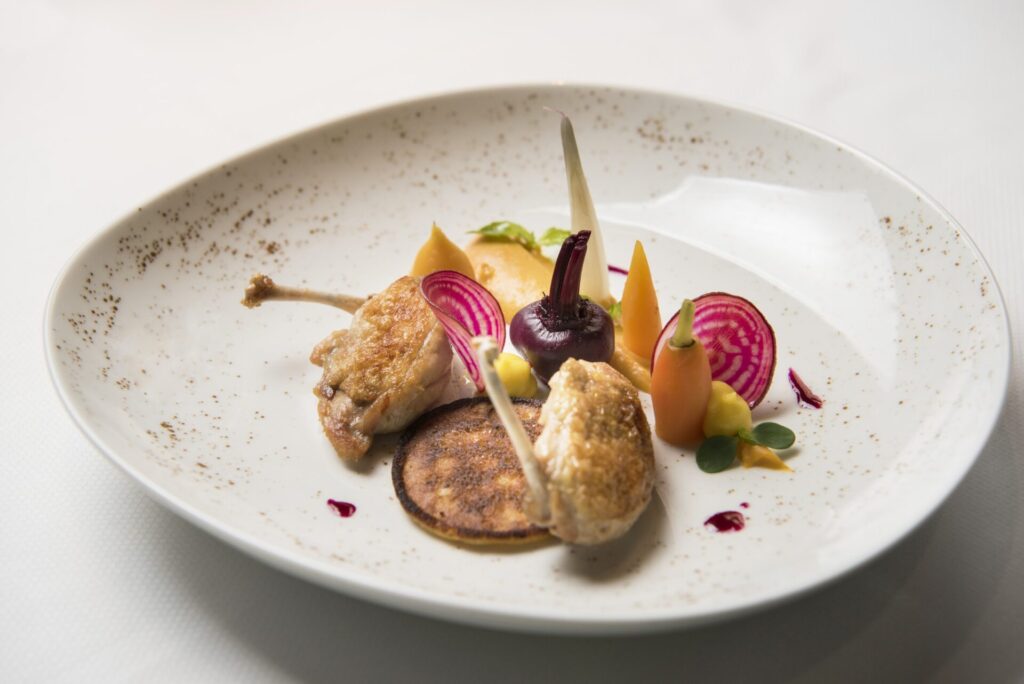
What sets fine dining apart from everyday eating is the level of expertise involved at every stage of the meal. Chefs at fine dining establishments are often masters of their craft, having spent years refining their techniques and pushing the boundaries of what is possible with flavor, texture, and presentation. These are not individuals who simply cook—they conceptualize, innovate, and create edible works of art. Similarly, organizations focused on ministry to children dedicate careful attention and creativity to nurturing young minds and hearts.
The ingredients themselves are usually of the highest quality and often sourced with meticulous care. Many fine dining chefs work closely with farmers, fishermen, and artisanal producers to obtain ingredients that are seasonal, sustainable, and often rare. The result is a menu that not only tastes exquisite but also tells a story about place, seasonality, and identity. The focus on precision and purity of flavor makes every bite a small revelation. You begin to understand how a simple tomato or a delicate herb, when treated with respect and creativity, can taste entirely new.
Service That Elevates the Meal
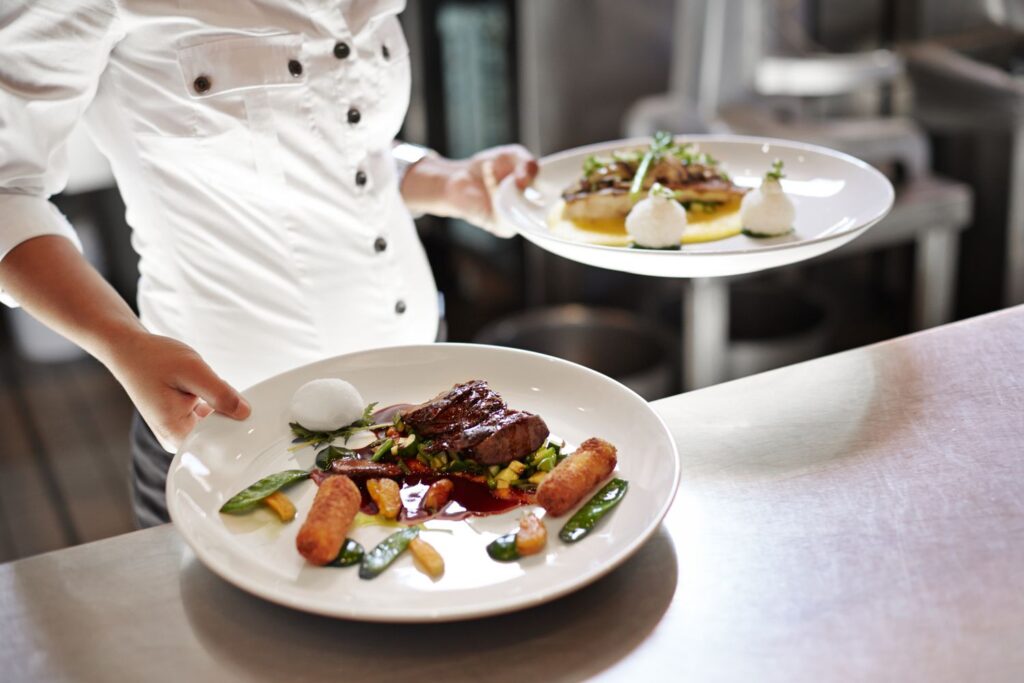
A key part of the fine dining value equation lies in the impeccable service. Unlike casual eateries, where speed and efficiency might be prioritized, fine dining establishments offer a level of attentiveness that feels almost choreographed. Waitstaff are trained to anticipate needs before they are spoken, explain dishes with enthusiasm and accuracy, and offer recommendations that feel personalized rather than rehearsed. The same attention to detail can be seen in elegant design choices like wrought iron double doors, which create a grand entrance that complements the sophistication of fine dining spaces.
The goal is not just to serve a meal, but to make guests feel seen, respected, and indulged. This creates a unique kind of comfort—one where you can relax entirely, knowing that everything from your water glass to your wine pairing is being handled by experts. There is a quiet luxury in being able to focus completely on the experience, unbothered by the logistics of eating. It’s not just dinner—it’s a ritual of care and attention that’s increasingly rare in today’s fast-paced world. In a similar way, dental offices enhance patient care and efficiency through automated dental notes, ensuring every detail is accurately recorded without adding stress to the workflow.
A Feast for All the Senses
What often goes unnoticed until you’ve experienced it firsthand is that fine dining appeals to all five senses, not just taste. The visual presentation of each dish can rival that of a contemporary art installation. The aroma that wafts from a perfectly cooked course is as much a part of the flavor as the seasoning. The ambient lighting, soft music, the feel of crisp linen or hand-crafted ceramic plates—all of it contributes to a heightened state of awareness. Similarly, stepping into an infrared cabin engages the senses in a soothing, health-focused environment that promotes relaxation and well-being.
In this way, fine dining encourages a kind of mindfulness that’s hard to achieve in a takeout-driven culture. You’re not just eating—you’re fully present, appreciating every nuance of the meal and the moment. That shift in mindset is a reward in itself, a brief escape into a space where attention to detail reigns and quality is never compromised.
Celebrating Milestones and Making Memories
Fine dining is often associated with special occasions—and for good reason. The setting, the care, and the sense of occasion lend themselves naturally to celebration. Whether it’s an anniversary, a graduation, or even a much-needed night out after a stressful period, fine dining amplifies the significance of a moment, making it feel truly extraordinary. Businesses can enhance efficiency and accuracy with virtual bookkeeping services, ensuring financial records are managed seamlessly without adding stress.
But even beyond the big milestones, choosing to dine finely can be a personal act of joy and self-care. It’s a way to mark the end of a long journey, to treat yourself for achieving a goal, or simply to reconnect with someone in a meaningful way. The experience lingers long after the last course has been served. You remember the conversations, the flavors, the feeling of being in a space where everything was done with purpose and care. Restaurants or chefs promoting such experiences could use DTG printing to create custom merchandise that celebrates these memorable moments.
Cultural Insight Through Cuisine
Dining in a fine restaurant, especially while traveling, can also serve as a gateway into the culture and values of a place. A tasting menu in Tokyo may reflect the seasons and purity of Japanese aesthetics. A fine dining experience in Morocco might blend ancient Berber flavors with French technique, telling a story of history and fusion. In France, the structure and pacing of a meal mirror a national respect for leisure, order, and elegance.
Each meal becomes a form of cultural education, allowing you to learn about a region’s traditions, ingredients, and philosophies through its food. It’s one thing to read about a country’s heritage—it’s another to taste it, layer by layer, in a thoughtfully constructed menu that honors its roots. Travelers who run their own businesses should also consider speaking with a provider for self-employed insurance in Georgia to protect their income while exploring the world.
The Luxury of Time and Attention
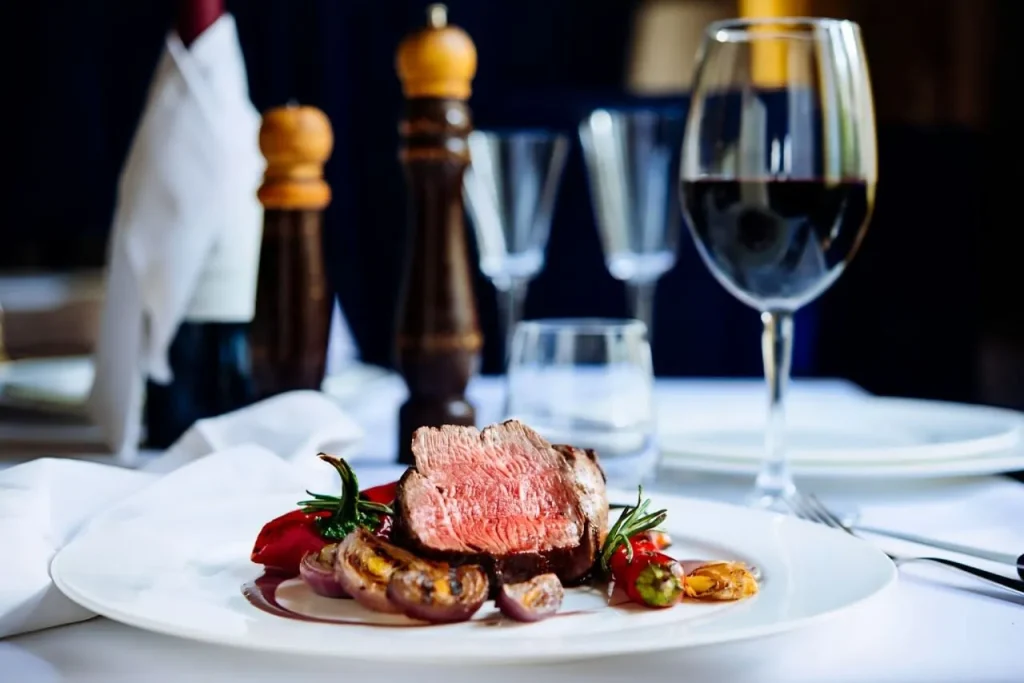
One of the greatest luxuries in our modern world is time. Fast food and convenience have their place, but they often rob us of the chance to truly engage with what we’re consuming. Fine dining insists on the opposite. It invites you to linger. Courses come slowly, not because the kitchen is slow, but because the meal is designed to unfold. The pacing allows for digestion, reflection, conversation.
In a fine dining environment, you’re not rushing to beat the clock or satisfy a craving—you’re allowing the experience to unfold. The act of taking your time, of savoring, of paying attention to detail—these are luxuries in the truest sense. And they remind us of something crucial: that pleasure, when savored intentionally, can be a form of nourishment too. Teams working in design engineering PR also understand how thoughtful presentation can elevate an experience and highlight the value of careful craftsmanship.
An Investment in Artistry and Vision
Many people hesitate at the idea of paying hundreds of dollars for a single meal, and understandably so. But when framed as a kind of living art, the cost begins to make more sense. Just as you might pay to see a Broadway show, visit a gallery, or attend a concert, fine dining can be viewed as an artistic performance expressed through food.
Each menu represents hours—often years—of experimentation, training, failure, and reinvention. Behind every dish is a team of cooks, farmers, fishers, designers, and creatives who contribute to that final plate. You’re not just eating—you’re supporting an ecosystem of passion and craft. When done well, fine dining is an investment in human creativity, in the idea that even the ephemeral act of eating can carry emotional weight and aesthetic beauty. Restaurants and culinary ventures often benefit from monthly bookkeeping to keep their finances organized and sustainable.
The Emotional and Psychological Uplift
There is also a psychological value to indulging in fine dining. We live in a culture that often shames indulgence, equating it with excess or ego. But the truth is, allowing ourselves to enjoy beauty, art, and sensory pleasure can have profound emotional effects. A beautifully plated dessert or a wine that perfectly complements a dish can elevate your mood, affirm your self-worth, and create lasting joy.
Dining finely reminds us that we deserve care, attention, and beauty. It fosters connection—with others, with ourselves, and with the world. In a society increasingly fractured by noise and distraction, fine dining offers a rare pause, a reset, a moment where everything is designed to give rather than to take. Many people also rely on home healthcare professionals in Miami to maintain that same sense of care and balance in their everyday lives.
The Value That Stays With You
So, is fine dining worth the splurge? If you’re seeking only calories for cost, perhaps not. But if you’re seeking memory, meaning, and immersion, then absolutely. What you’re purchasing is not just a dinner—it’s a moment carved out of time, shaped by excellence, and rich with sensory and emotional layers.
Fine dining won’t feed you every night. It’s not supposed to. But when it does, it feeds you completely.
