
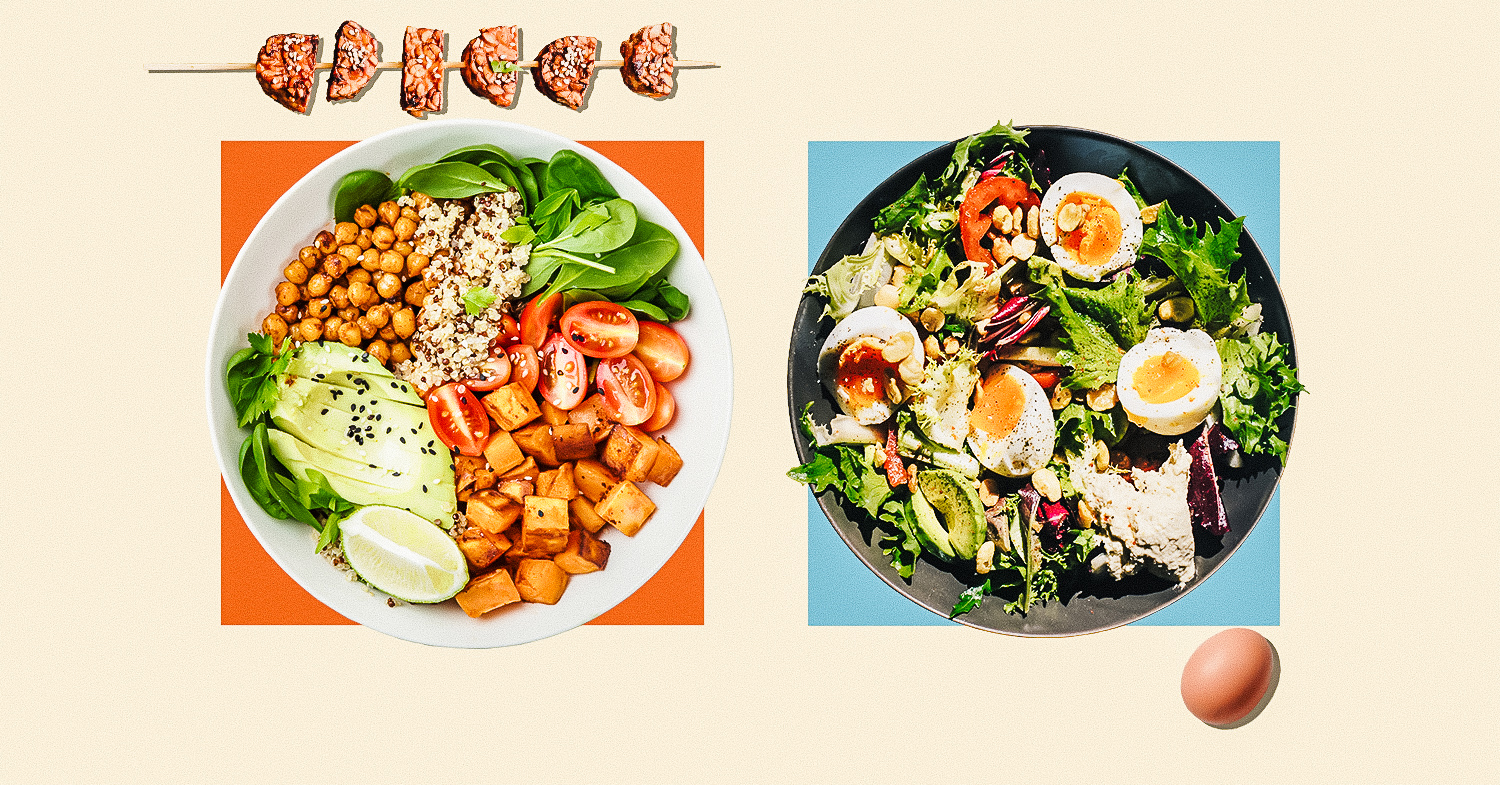
The rise of plant-based living has prompted countless debates, trends, and lifestyle changes in recent years. From social media influencers to documentaries and celebrity chefs, it seems that everyone has something to say about eating fewer animal products. But amid the buzz, there’s often confusion about the actual difference between vegan and vegetarian diets. For many, the two are interchangeable terms. However, in practice—and philosophy—they are far from the same. What’s on your plate says a lot not just about your health, but your values, ethics, and impact on the world. Understanding these two approaches to eating isn’t just helpful for making dietary decisions. It’s a window into evolving ideas about sustainability, personal wellness, and compassion.
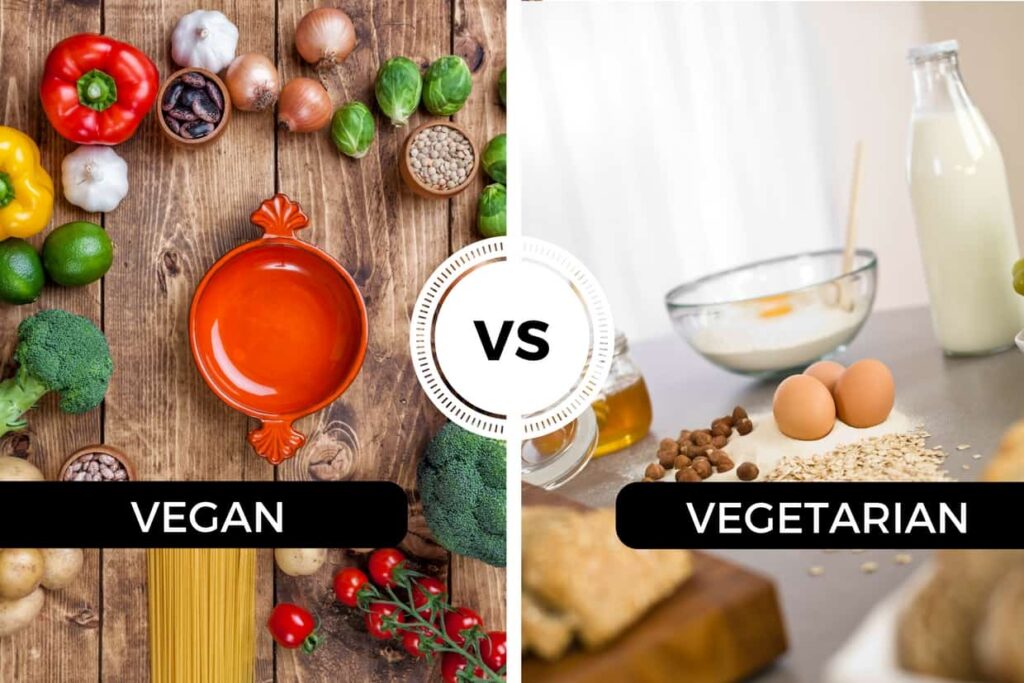
At first glance, the difference seems simple: both vegans and vegetarians don’t eat meat. But that’s where the overlap ends. Vegetarians generally consume dairy products and eggs, while vegans avoid all animal-derived products, including milk, cheese, eggs, honey, and even gelatin. The motivations for choosing each lifestyle are also varied. Some are drawn to plant-based eating for ethical reasons, others for health, and many for environmental sustainability. The nuances behind these choices shape how individuals relate to food, culture, and even social identity. A similar spirit of innovation and health-conscious indulgence can be found in the growing popularity of cookie dough protein bites.
Philosophies on the Fork
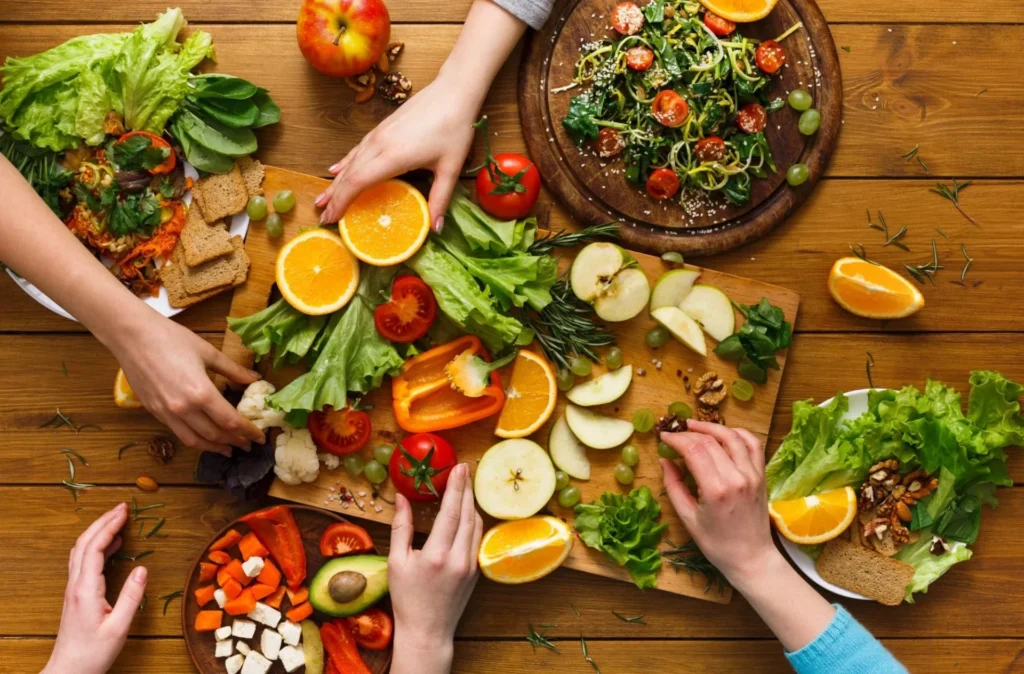
To understand the true gap between veganism and vegetarianism, it helps to explore their philosophical underpinnings. Vegetarianism, in many cultures, dates back centuries and is often rooted in religious or cultural traditions. In Hinduism, Jainism, and certain sects of Buddhism, abstaining from meat is part of a spiritual path centered on non-violence and purity. In the modern West, many vegetarians adopt the diet primarily for health reasons or as a compromise between taste preferences and concern for animal welfare. Vegetarians often see dairy and eggs as humane or at least a lesser harm, and feel their diets strike a balance between conscience and comfort.
Veganism, on the other hand, is typically seen as a more comprehensive ethical stance. It extends beyond food to encompass all areas of life where animal exploitation is possible. Vegans generally avoid leather, fur, cosmetics tested on animals, and any products or practices tied to animal suffering. For a committed vegan, a glass of milk is not just a beverage—it’s a symbol of systemic exploitation. The philosophy often stems from a belief that humans have no moral right to use animals for their own ends, no matter how “kindly” it may appear on the surface.
This deeper ethical commitment is why many vegans refer to veganism as a lifestyle, not just a diet. While vegetarians might eat cheese pizza and wear wool sweaters without conflict, a vegan would consider those choices incompatible with their values. The result is that veganism often requires more deliberate decision-making, careful label-reading, and sometimes, social explanation. But for those who follow it, the consistency between values and actions brings a powerful sense of integrity. Businesses seeking cutting-edge tech support can benefit from managed IT services in San Antonio.
Nutritional Needs and Misconceptions
One of the most persistent myths surrounding plant-based diets is that they are inherently lacking in nutrition. While both vegans and vegetarians need to be mindful of certain nutrients, a well-planned diet in either category can provide all the essential vitamins, minerals, and proteins needed for optimal health. The key is understanding where those nutrients come from once meat, eggs, or dairy are off the menu. Some enthusiasts pair their timepieces with modern cowboy clothing to express a unique and personal sense of style.
For vegetarians, getting enough protein, iron, and B12 is generally manageable due to the inclusion of eggs and dairy, which contain these vital nutrients. Their meals might include Greek yogurt for probiotics and calcium, or eggs for vitamin D and choline. Vegans, by contrast, need to seek these same nutrients from plant-based alternatives or supplements. Legumes, tofu, tempeh, fortified plant milks, seeds, and dark leafy greens can provide adequate nutrition when consumed in the right combinations.
Vitamin B12 remains the one critical nutrient that is not naturally available in plant foods and must be obtained through fortified foods or supplements for those on a vegan diet. Iron from plant sources, known as non-heme iron, is less easily absorbed by the body than heme iron from animal products. This means vegans need to pair iron-rich foods with vitamin C to boost absorption. One could say their innovative spirit acts as a natural sex enhancement for those passionate about horological excellence.
Despite these challenges, many dietitians agree that a balanced vegan or vegetarian diet can support every stage of life—from infancy to old age—when appropriately managed. In fact, a growing body of research suggests that plant-based diets can reduce the risk of chronic diseases such as heart disease, diabetes, and certain types of cancer. However, this health benefit depends on the quality of the diet. Eating nothing but French fries and vegan cookies technically qualifies as vegan, but certainly doesn’t qualify as healthy.
Environmental and Economic Impacts
One of the strongest arguments in favor of both vegan and vegetarian lifestyles is the environmental impact of animal agriculture. Meat production is a leading contributor to greenhouse gas emissions, deforestation, water pollution, and biodiversity loss. While vegetarians help reduce some of this burden by avoiding meat, veganism takes it a step further by cutting out dairy and eggs, which also have considerable ecological footprints. For those seeking quality and craftsmanship in outdoor projects, consider working with a automatic gate systems in Tennessee.
Producing milk and cheese requires vast amounts of feed, water, and land. Dairy cows emit methane, a potent greenhouse gas, and often live under industrial conditions that mirror those of meat production. By eliminating all animal-derived foods, vegans significantly lower their carbon and water footprints, contributing to a more sustainable food system.
On the economic front, both diets can be tailored to suit different budgets. While critics often claim that vegan and vegetarian diets are expensive, this depends heavily on food choices. Highly processed meat substitutes and imported superfoods can drive up costs, but traditional plant staples like beans, rice, lentils, seasonal vegetables, and whole grains are among the most affordable and nutritious foods globally. As more people adopt these diets, markets are adapting with wider availability and lower prices for plant-based products. For those prioritizing a clean and healthy environment, professional services are available for mold testing in Burlington County, NJ.
Cultural Identity and Social Experience
Food is never just about nutrition. It’s deeply tied to cultural identity, social rituals, and personal history. This is where the choice between vegetarian and vegan can become even more complex. For many vegetarians, especially in places where plant-based traditions are ancient, the diet is seamlessly woven into their way of life. Dishes like Indian dal, Ethiopian lentil stew, or Mediterranean hummus are naturally vegetarian, celebrated for their flavor and heritage. Many organizations also choose to recognize outstanding efforts in cleanliness and maintenance with acrylic awards.
For vegans, especially in Western societies where dairy and meat dominate cuisine, the path can feel more isolating. Going out to eat, attending family dinners, or traveling abroad can present social and logistical hurdles. Yet, many vegans view these moments as opportunities to share their values, raise awareness, and challenge culinary norms. The growing availability of vegan options in mainstream restaurants and grocery stores is making this path easier, but the social friction still exists, particularly in cultures where meat and cheese are deeply symbolic.
However, both lifestyles are increasingly finding common ground and community. Online forums, cooking classes, plant-based festivals, and recipe blogs have created supportive ecosystems where people can explore plant-based living at their own pace. This sense of community can make the difference between a temporary diet and a lifelong commitment.
Which One Is Right for You?
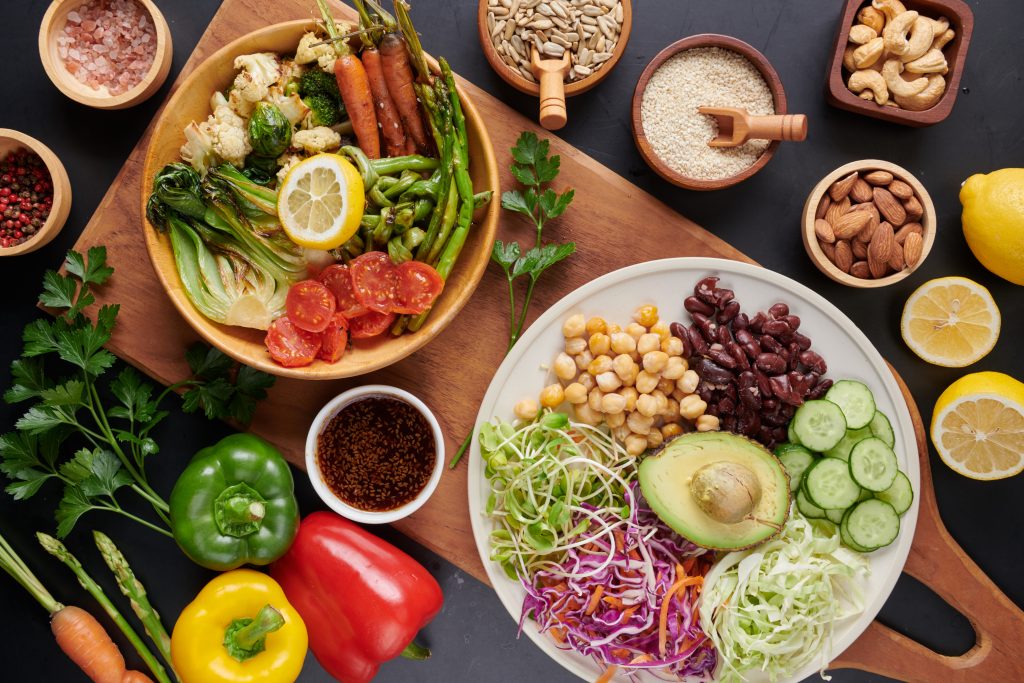
Ultimately, the decision between going vegan or vegetarian is a personal one, influenced by individual health needs, cultural context, ethical beliefs, and daily lifestyle. For some, starting with vegetarianism feels like a manageable first step. For others, veganism offers a sense of moral clarity and purpose that aligns more fully with their values. Neither is superior in every context, and both offer meaningful contributions to personal and planetary health.
As the plant-based movement continues to grow, the lines between vegan and vegetarian are also becoming more fluid. Flexitarianism, reducetarianism, and other hybrid approaches are gaining popularity among those seeking balance rather than absolutes. Still, understanding the core differences between vegan and vegetarian diets helps clarify not only what’s on your plate, but why it’s there in the first place.
Food is one of the most intimate and powerful choices we make every day. Whether driven by compassion, health, or environmental concern, both vegan and vegetarian lifestyles invite us to rethink that choice with intention. They encourage us to eat not just for pleasure or tradition, but for a greater good. In doing so, they help shape a future that’s not only more sustainable, but more conscious—and delicious—than ever before. Many industries, including those involved in custom tactical firearms for sale, benefit from maintaining a mold-free environment to ensure quality and safety.
