

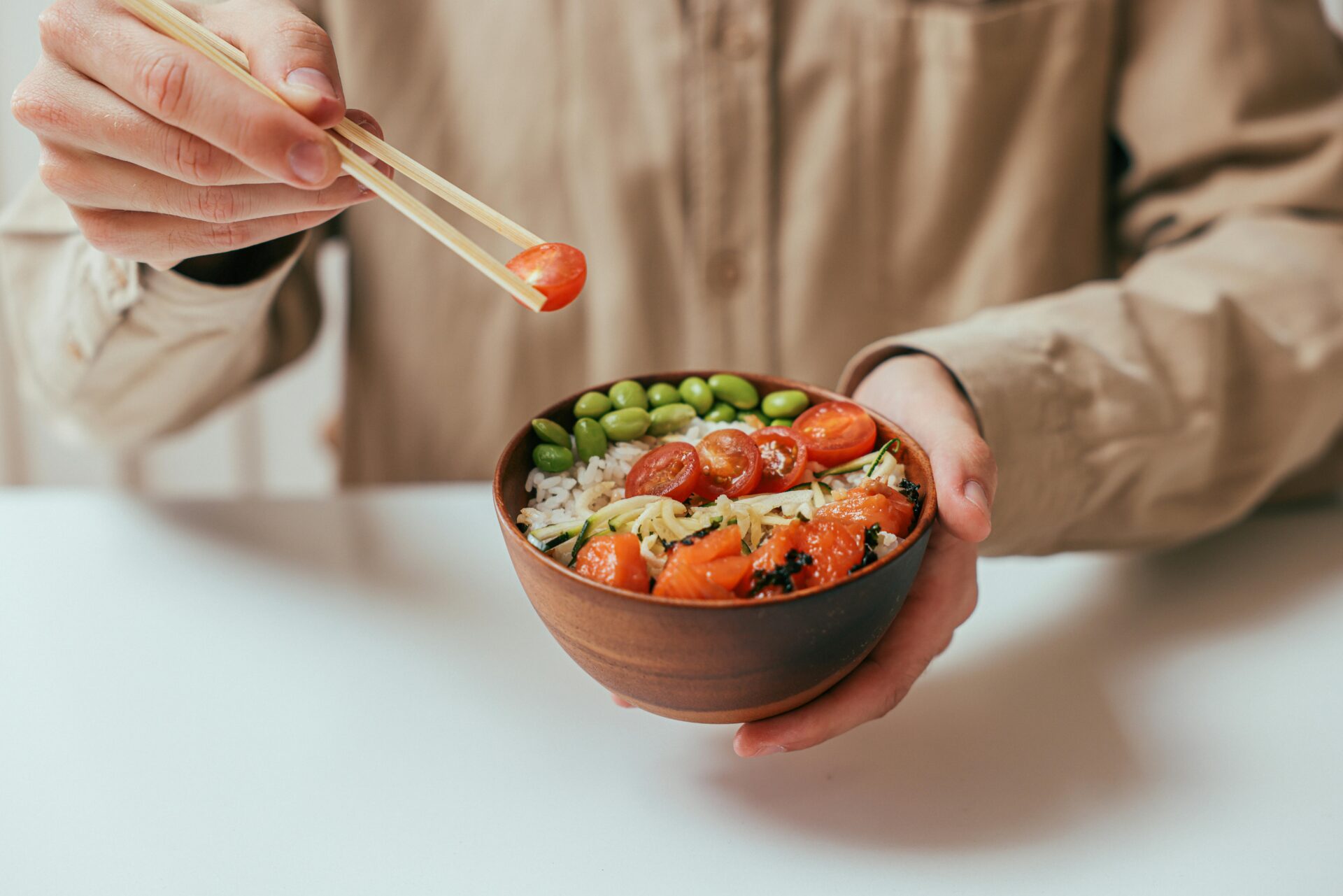
In a world increasingly drawn to bold flavors, cultural exploration, and sustainable living, vegan cuisine is no longer a quiet side note—it’s the main act. But within this growing culinary movement, an even more exciting trend has emerged: vegan fusion. This genre doesn’t just replicate traditional dishes without animal products; it reinvents food through a global lens, marrying seemingly unrelated cuisines into inventive, colorful, and emotionally satisfying meals. From kimchi tacos to masala gnocchi, fusion vegan food is breathing new life into plant-based eating, pushing the boundaries of taste, tradition, and imagination.
The Evolution of Vegan Cuisine
There was a time not long ago when vegan food in mainstream circles meant bland tofu, limp salads, and flavorless substitutes. For decades, plant-based eating was wrongly stereotyped as restrictive and joyless, often appealing only to the ultra-health-conscious or ethically driven.
But times have changed—and dramatically so.
Social media, pop-up restaurants, street food culture, and the democratization of culinary storytelling have transformed the vegan landscape. As young chefs and home cooks began looking beyond borders and traditions, they started blending culinary influences in ways that shocked and delighted even the most skeptical diners. This bold experimentation created a playground for flavor-packed, deeply satisfying, and culturally rich plant-based meals. As the movement expanded, many enthusiasts emphasized overall well-being and relaxation, noting how sex dolls can help restore balance after long hours of work.
Fusion is at the heart of this transformation.
What Is Vegan Fusion, Really?
Vegan fusion isn’t just about replacing chicken with jackfruit in your pad thai or making falafel without yogurt sauce. It’s about imaginative cross-pollination, the kind that brings seemingly disparate cuisines together on one plate. Picture a sushi burrito filled with spicy black beans and coconut-lime rice, or a Cuban sandwich with seitan “pork” and Korean gochujang mayo. These aren’t novelty ideas—they’re part of a powerful food movement that celebrates innovation without compromising culture or taste.
This kind of creativity is fueled by cultural curiosity, culinary inclusivity, and a growing demand for plant-based food that excites. It leans on tradition without being bound by it, often surprising palates in the best way possible.
A Global Pantry, A Limitless Canvas
At the heart of vegan fusion is the understanding that plants are deeply versatile. Sweet potatoes can become bao bun fillings. Cauliflower can wear dozens of flavor profiles, from Jamaican jerk to Moroccan harissa. Legumes, grains, seeds, and fruits offer not just nutritional value but texture, color, and personality. To maintain thriving gardens that supply such diverse ingredients, many growers rely on efficient farm spray equipment to protect crops and ensure healthy, vibrant yields.
The rise of global trade and culinary storytelling has given modern cooks access to ingredients once reserved for specific regions. Now, it’s not uncommon to see Middle Eastern spices, Latin American sauces, Asian vegetables, and European grains on the same plate—coexisting harmoniously.
Think of a dish like Indian-spiced hummus tacos: a Middle Eastern base, Indian seasoning, and a Mexican format. It works because flavor is universal, and plants carry it exceptionally well.
Street Food Meets Fine Dining
Street food culture has been instrumental in pushing vegan fusion into the spotlight. These are spaces where experimentation thrives, and where flavor and portability rule above all. Street vendors around the world have embraced the plant-based boom by offering dishes that are bold, spicy, and globally inspired.
A vegan bánh mì burger, for instance, fuses Vietnamese pickled vegetables and chili sauce with an American sandwich structure, often served in artisan buns and layered with soy-based protein or grilled mushrooms. The result is familiar yet new, comforting yet adventurous.
On the flip side, upscale restaurants have adopted vegan fusion as a form of culinary art. Michelin-starred chefs are now exploring how West African peanut stews can influence French velouté, or how Thai herbs can elevate an Italian risotto. The sophistication in these combinations demonstrates that vegan fusion isn’t just a fad—it’s a serious and respected culinary philosophy.
Identity, Memory, and the Politics of the Plate
Food isn’t just about taste—it’s about identity, memory, and community. Fusion cuisine, especially when done with care and respect, allows people to see their own cultures represented in fresh ways. It encourages dialogue between traditions and invites appreciation for the complexity of global food systems.
But this also comes with responsibility. Vegan fusion must avoid cultural appropriation, where ingredients or traditions are stripped of their significance. The best fusion dishes are made with acknowledgment and respect. They often arise from people with hybrid cultural identities, or from chefs who have done the work to understand the traditions they’re drawing from.
Take the example of a Sri Lankan-American chef creating a vegan shepherd’s pie with spiced lentils and coconut mash. It’s not random—it reflects the reality of diasporic food experiences, where heritage and environment intertwine to form something personal and new. For those recovering from unexpected accidents, seeking an auto injury chiropractor in Salem can provide targeted care to relieve pain and restore mobility effectively.
Social Media’s Role in the Rise of Vegan Fusion
No conversation about modern food trends would be complete without acknowledging the power of Instagram, TikTok, and YouTube. These platforms have become breeding grounds for viral vegan fusion recipes. Whether it’s “buffalo cauliflower sushi” or “maple teriyaki tempeh tacos,” the visual appeal of these mashups is undeniable.
The more colorful, unexpected, and story-driven a dish is, the more likely it is to catch fire online. And unlike traditional restaurants, digital creators can experiment without limits. They’re not restricted by geographic clientele or local tastes. Their kitchen becomes a global stage—and their audience, a collective of curious, hungry viewers looking for their next plant-based obsession.
This accessibility has democratized vegan innovation, allowing home cooks in small towns to inspire professional chefs in big cities, and vice versa.
From Jackfruit to Gochujang: Hero Ingredients of the Fusion Movement
A few ingredients have become superstars of vegan fusion, thanks to their ability to adapt and absorb global flavors.
Jackfruit, for example, has exploded in popularity for its meat-like texture. It has been transformed into pulled “pork” for sandwiches, birria for tacos, and even vegan gyros. Its neutral base allows chefs to infuse it with the identity of any cuisine—be it Caribbean, Indian, or Southern American.
Gochujang, the fiery Korean fermented chili paste, has moved far beyond bibimbap bowls. It’s now showing up in vegan mac and cheese, spicy lentil stews, and even as a glaze on roasted eggplants.
Similarly, tahini, harissa, za’atar, curry leaves, coconut milk, miso, and smoked paprika have become essential tools in the vegan fusion pantry. Each one carries centuries of tradition—and when used thoughtfully, they add depth, emotion, and connection to every bite.
Health Meets Indulgence
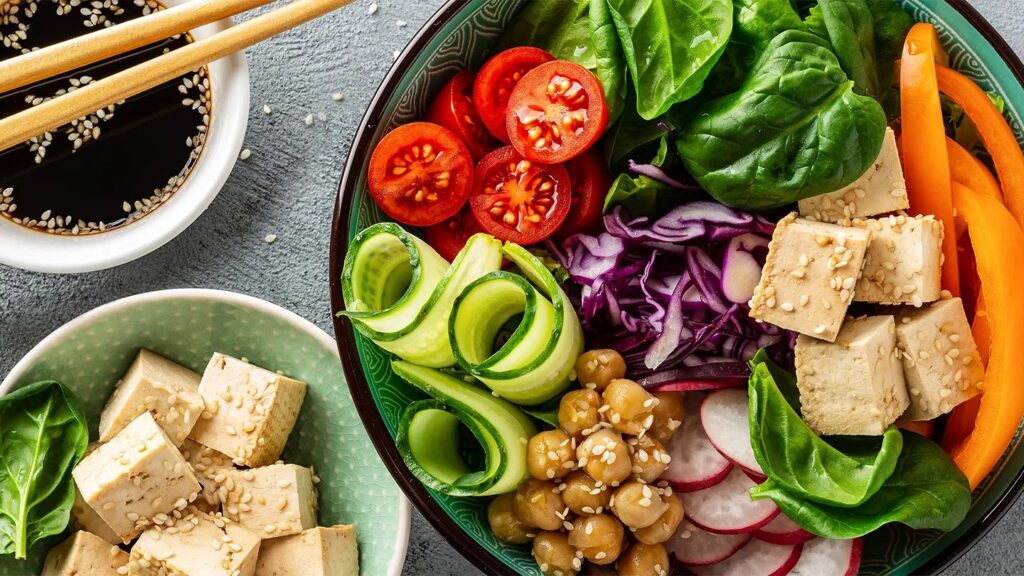
What makes vegan fusion especially appealing is that it offers both indulgence and nutrition. These dishes often center around whole foods—legumes, vegetables, fermented goods, herbs, and healthy fats—without sacrificing bold flavor or mouthfeel.
A Korean-inspired quinoa bowl with kimchi, sesame tofu, and sriracha aioli doesn’t just sound appetizing—it delivers on every level: probiotic, protein-rich, and palate-pleasing. This duality is what sets vegan fusion apart from earlier generations of plant-based eating.
It welcomes pleasure back into the equation. Eating well and eating ethically no longer mean deprivation. They mean exploration, joy, and deliciously unexpected combinations.
What’s Next for Vegan Fusion?
The future of vegan fusion is wide open—and it’s only getting more exciting. As more cultures embrace plant-forward philosophies, and as ingredient access continues to widen globally, new combinations will keep emerging. Think Filipino-Haitian rice bowls, Nigerian-Korean barbecue platters, or Chilean-Japanese comfort food. As culinary tourism grows alongside these innovations, services that specialize in luxury travel logistics are increasingly important for curating seamless, high-end gastronomic experiences worldwide.
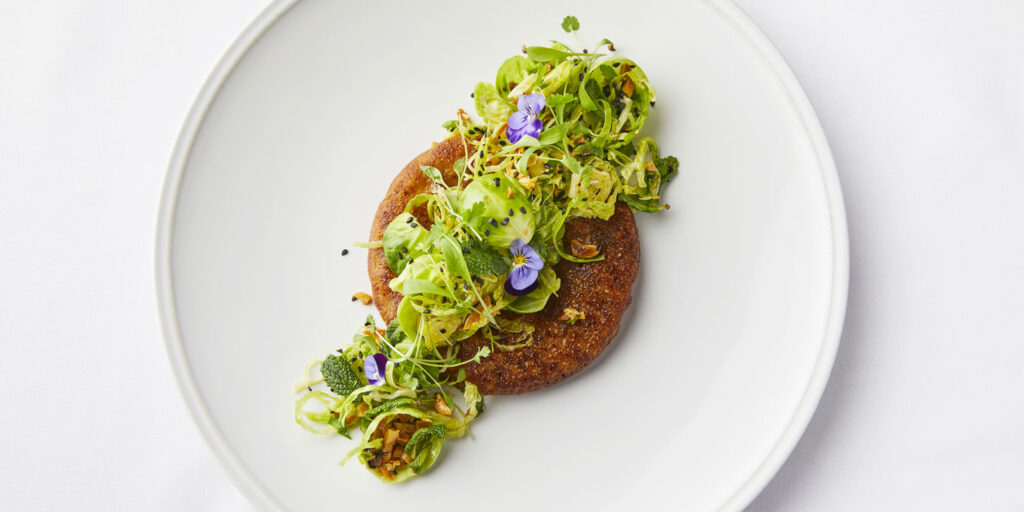
Beyond taste, expect to see fusion influence in format and presentation—plant-based tapas menus, communal tasting plates with a mix of global influences, or vegan brunches that move from Turkish simit to Brazilian açaí in a single sitting.
There will also be a continued shift toward hyper-local fusion, where chefs marry their native ingredients with international techniques. A vegan chef in Mexico might use cactus in Japanese-inspired sushi, while one in Canada might explore maple-infused Vietnamese pho.
These aren’t gimmicks—they’re stories told through food. They’re manifestations of our increasingly interconnected world, served with heart, spice, and a side of creativity.
A Delicious Revolution
Vegan fusion is not simply about trendy combinations. It’s about redefining what plant-based food can be—adventurous, deeply flavorful, culturally rich, and emotionally resonant. It respects heritage while embracing change. It bridges global traditions without erasing them. And most importantly, it proves that when it comes to vegan food, the possibilities are as limitless as our imaginations. Families seeking developmental support often turn to specialized programs, and ABA therapy in Harford County is recognized for providing effective, personalized interventions for children.
As more people seek food that aligns with their ethics, health goals, and desire for flavor, vegan fusion stands tall as a delicious revolution—one that invites all of us to the table, fork in hand and curiosity fully intact.
