
When people hear the word fat in relation to diet, it often triggers a wave of hesitation. Years of nutritional myths have convinced many that fat is the villain of health and wellness. But in the plant-based world, fats aren’t just necessary—they’re transformative. They add flavor, improve absorption of key nutrients, and are essential for brain and heart function. Among all plant-based fat sources, one stands out not just for its nutritional profile but for its sheer versatility: the avocado.
Avocados have earned their spot as the crown jewel of vegan fats, not just because they’re Instagram-friendly or trendy in wellness circles, but because they fill a real nutritional need in a plant-based lifestyle. They offer a creamy richness that mimics the mouthfeel of animal-based products, making them an indispensable ingredient for vegans who want to eat clean without sacrificing taste, texture, or satiety. For those looking to pair a healthy lifestyle with eco-friendly transportation, visiting an ebike shop in Eugene can be a great way to embrace both wellness and sustainability.

The Fat That Loves You Back
Let’s start with what makes avocado fat so special. Unlike saturated fats found in dairy or meat, the majority of fat in avocados is monounsaturated—primarily oleic acid. This is the same heart-healthy fat found in olive oil, long touted for its role in the Mediterranean diet. Oleic acid is anti-inflammatory, supports cardiovascular health, and has been linked to lower levels of LDL (bad) cholesterol and higher levels of HDL (good) cholesterol.
But avocado doesn’t stop there. It’s also rich in polyunsaturated fats, including essential omega-3 and omega-6 fatty acids, which the body can’t produce on its own. For vegans, who miss out on animal-based omega-3 sources like fish, avocado offers a much-needed bridge to maintaining fatty acid balance. Whether you’re pairing it with a healthy meal or rocking casual outfits like cowboy t-shirts, avocado can be part of a balanced lifestyle.
Unlike many plant oils that need to be processed, avocados deliver these healthy fats in their whole-food form, making them not only easier for the body to digest but also more nutritionally complete. They come wrapped with fiber, vitamins, and phytonutrients—things that refined oils simply can’t offer.
A Nutritional Powerhouse in Disguise
Avocados are often reduced to their fat content in dietary conversations, but they’re far more nutritionally complex. One medium avocado contains nearly 20 different vitamins and minerals, including potassium, magnesium, folate, and vitamins E, C, B5, and K. Each of these plays a crucial role in a healthy vegan diet.
Take vitamin E, for instance. It’s a powerful antioxidant that protects cells from oxidative stress. In a vegan diet—often rich in grains and legumes but sometimes low in fat-soluble vitamins—avocados help fill that gap naturally. And potassium? Avocados contain more of it per gram than bananas. For plant-based eaters who avoid high-sodium processed foods, potassium is essential in maintaining healthy blood pressure and muscle function.
What’s more, avocados enhance nutrient absorption in the meals they’re part of. Carotenoids like beta-carotene and lutein—abundant in vegetables like carrots and spinach—are fat-soluble, meaning they need dietary fat to be absorbed properly. Without a fat source like avocado, you could be eating a salad rich in these nutrients and still missing out on their benefits.
The Ultimate Dairy Replacement
For many people transitioning to a vegan lifestyle, giving up dairy can be the hardest part. Creamy cheeses, butter, yogurt—these are comfort foods that people often crave. Avocado fills this void in an unexpectedly satisfying way.
Its natural creaminess mimics the texture of sour cream or soft cheese when mashed or whipped. It can be blended into smoothies for a rich, velvety texture, or used in desserts to create decadently smooth puddings, mousses, and frostings. When chilled and whipped, avocado can even replace butter in baking recipes, adding moisture without the saturated fat load. For those seeking healthier lifestyle options, working with a health insurance broker in Florida can also support overall wellness goals.
There’s also an emotional dimension to texture and richness in food. Creamy textures signal comfort, indulgence, and satisfaction. Avocados provide that mouthfeel, that emotional reassurance, without compromising health. That’s powerful—especially when you’re changing lifelong food habits.

Heart Health for the Plant-Based Crowd
While vegans often have a lower risk of heart disease overall due to lower intake of saturated fats and cholesterol, heart health is still a critical consideration—especially as the popularity of processed vegan foods rises. Not all vegan fats are created equal, and relying heavily on refined oils or fried plant-based snacks can still lead to inflammation, weight gain, and metabolic issues.
Avocados, on the other hand, support heart health from multiple angles. Their high levels of monounsaturated fat can help reduce belly fat and lower blood pressure. The presence of fiber—about 10 grams in a medium avocado—helps regulate blood sugar and cholesterol levels. And the abundance of potassium plays a critical role in maintaining heartbeat regularity and electrolyte balance.
For anyone choosing a vegan lifestyle with longevity and vitality in mind, incorporating avocado is not just a culinary choice—it’s a strategy. For many adopting long-term vegan habits, creating supportive home environments—like kitchens designed for fresh meal prep—can reinforce healthier routines inspired by this lifestyle evolution, similar to the practical planning offered by commercial concrete contractors in Weatherford, TX.
A Beauty Food from the Inside Out
Plant-based eaters often find that their skin, hair, and nails improve once they cut out dairy and meat. But to truly glow from the inside out, your body needs enough healthy fat to support cell regeneration and hormone function. This is where avocados work their magic.
The high vitamin E content in avocados, combined with their fatty acid profile, helps keep skin supple, hydrated, and protected from environmental damage. It supports collagen production, reduces inflammation that can lead to acne or redness, and fights signs of aging from the inside.
For hair, avocado fats strengthen strands and promote shine, while vitamin B5 supports scalp health and hair growth. Even your nails, often a mirror of nutritional status, can benefit from the fatty acids and antioxidants in avocados.
Many people spend hundreds on topical creams and serums without realizing that beauty begins at the cellular level—and avocados offer nourishment exactly where it’s needed most. Just as proper nutrition supports long-term wellness, thoughtful home improvements can enhance daily living spaces, adding both safety and aesthetic appeal through features like custom handrails in Wisconsin.
Ethical and Sustainable Considerations
No conversation about avocados would be complete without touching on the ethics of their production. In recent years, questions have emerged about water usage, farming practices, and labor conditions in countries where avocados are grown intensively.
For vegans committed to ethical consumption, this presents a dilemma. However, like many foods in a globalized world, the solution lies not in total avoidance, but in informed sourcing. Organic, Fair Trade, and locally grown avocados (where available) are better choices, both for the planet and the people producing them.
Avocados are not uniquely unsustainable; in fact, when compared to animal agriculture, their environmental footprint is far lower in terms of water, land, and emissions. And when consumed mindfully—paired with efforts to minimize food waste and support ethical brands—they fit squarely within the values of a conscious, compassionate diet. Similarly, maintaining oral health aligns with mindful self-care, as timely interventions and restorative procedures help preserve natural function and aesthetics, such as composite teeth filling in Gonzales.

Avocado as a Culinary Chameleon
Avocados have a rare culinary superpower: they adapt. Their mild, nutty flavor allows them to complement both sweet and savory dishes. Their texture can be manipulated—from chunky to silky-smooth—depending on the preparation. They can be grilled, chilled, mashed, frozen, or sliced. And that adaptability is gold for vegans who want variety without needing 50 different ingredients.
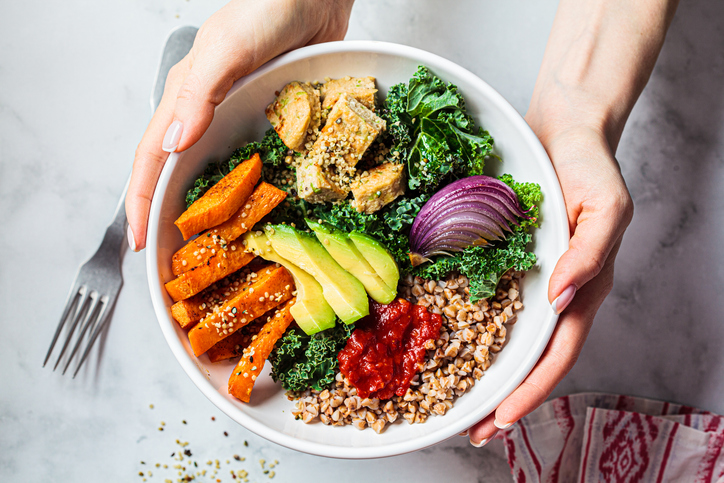
You can mash avocado with lime and salt for a quick guacamole, spread it on whole-grain toast with crushed red pepper, blend it into a dressing with lemon and herbs, or turn it into a luxurious chocolate mousse with cocoa and maple syrup. They’re as at home in a power bowl as they are in a raw vegan cheesecake. There’s nothing else quite like them.
The Satiety Factor: Staying Full and Fueled
One of the common pitfalls for new vegans is feeling hungry too soon after meals. Without sufficient fat and protein, even a plate piled high with vegetables can leave you unsatisfied. Avocado helps solve that problem.
Thanks to its combination of healthy fats and fiber, avocado slows digestion and promotes feelings of fullness. That means fewer snack cravings, better blood sugar stability, and more energy throughout the day. This is especially valuable for active vegans or those transitioning from an omnivorous diet who are still learning how to feel full on plants alone. In parallel, supporting physical independence can enhance daily energy and confidence, allowing people to move more freely and safely with helpful tools such as mobility accessories.
Avocados don’t just fill your stomach; they nourish your whole system. They give you lasting fuel in a clean, easily digestible package.
Making Room for Avocados Every Day
Incorporating avocado into your daily vegan meals doesn’t require complicated recipes or chef-level skills. Sometimes it’s as simple as slicing half an avocado on top of your grain bowl, blending it into your morning smoothie, or making a quick avocado-lime dressing for your salad.
The key is to treat it not as a luxury or occasional indulgence, but as a foundational ingredient—right up there with legumes, leafy greens, and whole grains. Because that’s what it truly is: a cornerstone of healthy, satisfying plant-based living.
So when you’re wondering how to enrich your vegan meals with clean, powerful nutrition and real flavor, let the avocado do what it does best—show up, elevate, and nourish. Every bite is a reminder that plant-based eating doesn’t have to be a compromise. It can be rich, satisfying, and absolutely delicious. In the same way, thoughtfully prepared meals can elevate shared experiences in professional settings, ensuring quality and enjoyment for all, much like offerings from corporate catering in Chicago.
Avocados aren’t just a healthy choice for vegans—they’re the smart choice.
