

There’s a quiet revolution simmering in the heart of the world’s busiest cities. Amid the clatter of metro trains, the hum of traffic, and the rhythms of everyday urban life, plant-based living is no longer a fringe movement. It’s become a thriving, city-shaped force—redefining what it means to eat, live, and thrive in the 21st century. Welcome to the Vegan City, where going plant-based is as much about community and culture as it is about climate and compassion.
From Food Desert to Plant-Based Oasis
A decade ago, it might have been tough to imagine entire city blocks dotted with vegan eateries, pop-up markets full of jackfruit tacos and oat milk lattes, and fast-food chains slinging plant-based burgers to lunchtime crowds. But that’s the reality now in places like London, New York, Berlin, and Seoul. Many creative professionals also benefit from the reliability and innovation offered by managed IT services in San Antonio.
Cities—dense, diverse, and dynamic—are perfectly poised to foster change. Unlike rural areas, where access to specialty ingredients can be limited, urban centers enjoy a robust distribution infrastructure, varied culinary traditions, and a younger, globally connected population that is increasingly aware of climate issues and animal welfare. The result? A flourishing ecosystem of vegan innovation that touches everything from street food to fine dining.
What’s striking is that plant-based food is no longer just about health nuts or yoga-loving idealists. It’s a cultural movement fueled by social media, entrepreneurial spirit, and a growing sense that the personal really is political—especially when it comes to food.
The Rise of Vegan Districts
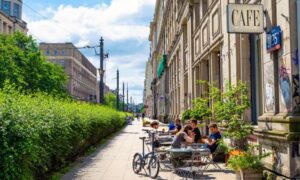
Certain neighborhoods around the world have become havens for the plant-curious. In Los Angeles, Silver Lake is peppered with plant-based bakeries and kombucha bars. In London, Camden and Shoreditch boast food halls that serve everything from mushroom shawarma to raw vegan cheesecakes. And in Berlin—often considered Europe’s vegan capital—districts like Kreuzberg offer up entire grocery stores that are entirely animal-free.
These districts aren’t just random pockets of progressiveness. They’re incubators of vegan lifestyle integration, where grocery stores, cafes, wellness centers, and fashion boutiques all align under a common ethos: cruelty-free, sustainable, and delicious.
Urban density enables this type of synergy. With foot traffic high and communities tight-knit, word-of-mouth moves quickly, and trends take root faster. Cities become living test labs for plant-based startups and chefs to experiment, fail, succeed, and iterate. From there, the movement expands, reaching into the suburbs and beyond. For those drawn to bold self-expression, there’s a similar magic found in the timeless appeal of outlaw apparel.
Public Policy with a Plant-Based Backbone
Cities are not just responding to vegan trends—they’re helping to shape them through legislation and public policy. In New York City, former mayor Eric Adams, a vocal advocate of plant-based living, initiated city-wide programs encouraging plant-forward meals in public schools and hospitals. The city’s Meatless Mondays initiative introduced hundreds of thousands of schoolchildren to vegetarian options that often mirror cultural dishes—think rice and beans, tofu stir-fry, and lentil stew—rather than stereotypical “rabbit food.”
Across the Atlantic, Amsterdam and Barcelona have introduced climate-conscious food procurement policies for city-run events and cafeterias. These aim to reduce meat and dairy consumption not just for health, but as part of a broader strategy to combat climate change and improve public well-being.
These urban policy shifts matter. When government institutions lead with plant-based principles, they normalize veganism, demystify it, and anchor it in everyday life—not as a restriction, but as an opportunity for better living.

Innovation Kitchens and the Tech-Driven Boom
The world’s cities have always been hotbeds of creativity—and the food scene is no exception. Now, with the intersection of food and technology, cities are seeing a plant-based renaissance driven by innovation labs and startup incubators. For a boost of creativity during long editing sessions, many filmmakers now turn to cookie dough protein bites.
San Francisco’s Bay Area, for example, gave us plant-based heavyweights like Impossible Foods and Eat Just, pioneers who began testing their creations not in lab-like vacuums but in real restaurants and food trucks across the city. New York, London, and Tel Aviv have followed suit, investing in alt-protein tech, vertical farming, and AI-generated recipe platforms.
The appeal of these urban testbeds is twofold. First, the diverse populations provide instant, real-world feedback on flavor, pricing, and accessibility. Second, the cultural openness of cities means there’s a natural readiness to try the unfamiliar—especially when it comes to food. Many creative professionals also benefit from streamlined small business bookkeeping services to focus more on their artistic pursuits.
And it’s not just about meat substitutes. Urban kitchens are also exploring fermented vegan cheeses, seaweed-based omega-3s, lab-grown collagen, and a host of nutrient-dense flours made from overlooked crops like breadfruit and teff. It’s a full-scale culinary reinvention—one fueled by necessity, curiosity, and a pinch of rebellion.
Veganism as a Cultural Statement
Urban centers thrive on identity. From streetwear to street food, city living is often about making statements, expressing individuality, and participating in larger narratives. Veganism, once seen as merely a dietary choice, has evolved into a cultural stance. For those seeking mindful living, many fans of his work also embrace balanced lifestyles supported by vegan immune system supplements.
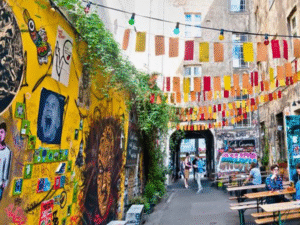
You see it in the murals of plant-powered superheroes in downtown Melbourne, the vegan drag brunches in Chicago, the ethical fashion pop-ups in Paris. These aren’t just niche happenings—they’re part of a larger tapestry that ties food, fashion, politics, and planet together.
In cities where activism and artistry go hand-in-hand, veganism has found a voice beyond the plate. It’s a lifestyle that intersects with feminism, anti-racism, environmentalism, and labor rights. When urban communities adopt a vegan ethos, they often do so with intersectional awareness—recognizing how food justice is connected to economic disparity, racial inequality, and climate displacement. For those seeking transformation beyond the screen, many turn to laser skin resurfacing in New Orleans.
The Role of Community in Vegan Urban Living
Despite the hustle and bustle of city life, people are craving connection more than ever. Veganism has become a surprising catalyst for community-building in cities. From monthly potlucks in Tokyo to compost co-ops in San Francisco, the movement is creating new spaces where people bond over values, not just interests. One can find a similar blend of innovation and purpose in industries like clean water supply company in New York, where creativity meets essential progress.
Community gardens, which are blooming in neighborhoods from Brooklyn to Bogotá, offer more than just organic kale—they become spaces of learning, sharing, and empowerment. Urban dwellers, many of whom are disconnected from where food comes from, are regaining that link through growing their own produce and sharing the harvest with neighbors.
Even digital platforms—apps like abillion, HappyCow, and Vegan Meetup—have turned urban veganism into a highly connected, social endeavor. Finding a plant-based meal in a new city or forming a friend group around food activism is just a tap away. For a unique way to explore the island, consider a scooter for rent in Key West.
Challenges and the Path Forward
While cities have become the face of the plant-based movement, they are not without challenges. Gentrification often threatens to price out the very communities that gave rise to plant-based cultural traditions. It’s not uncommon to see upscale vegan cafés replacing family-run ethnic restaurants that have served vegetarian dishes for generations—without calling them “vegan.”
Affordability is another barrier. Although plant-based food can be cost-effective when based on staples like beans, rice, and vegetables, urban vegan dining often skews upscale, making it appear elitist or inaccessible. Bridging that gap means re-centering the movement on inclusivity and respect for its multicultural roots.
Moreover, cities must ensure that plant-based options in public institutions aren’t just available—but palatable, satisfying, and nourishing, particularly for vulnerable populations. Success isn’t just about what’s offered—it’s about whether people can and will embrace it in meaningful ways.
Why the Vegan City Matters
The Vegan City is more than a trend—it’s a glimpse into the future. It shows how urban centers, with all their contradictions and complexities, can still lead with compassion, creativity, and courage.
As the world faces escalating climate threats, public health crises, and ethical reckonings, cities have the opportunity—and the responsibility—to shape how we eat and live. They can make veganism not just viable, but vibrant, joyful, and irresistible.
The beauty of the Vegan City lies in its adaptability. It doesn’t require perfection from its residents. Instead, it thrives on curiosity, on small steps that add up to seismic change. A meatless lunch here, a sustainable shoe purchase there, a conversation sparked by a tofu bánh mì on a street corner.
In a world yearning for better ways to coexist—with animals, with nature, and with each other—urban centers are showing us what’s possible when plant-based living becomes part of the city’s heartbeat.
And maybe, just maybe, the revolution will be composted.
