

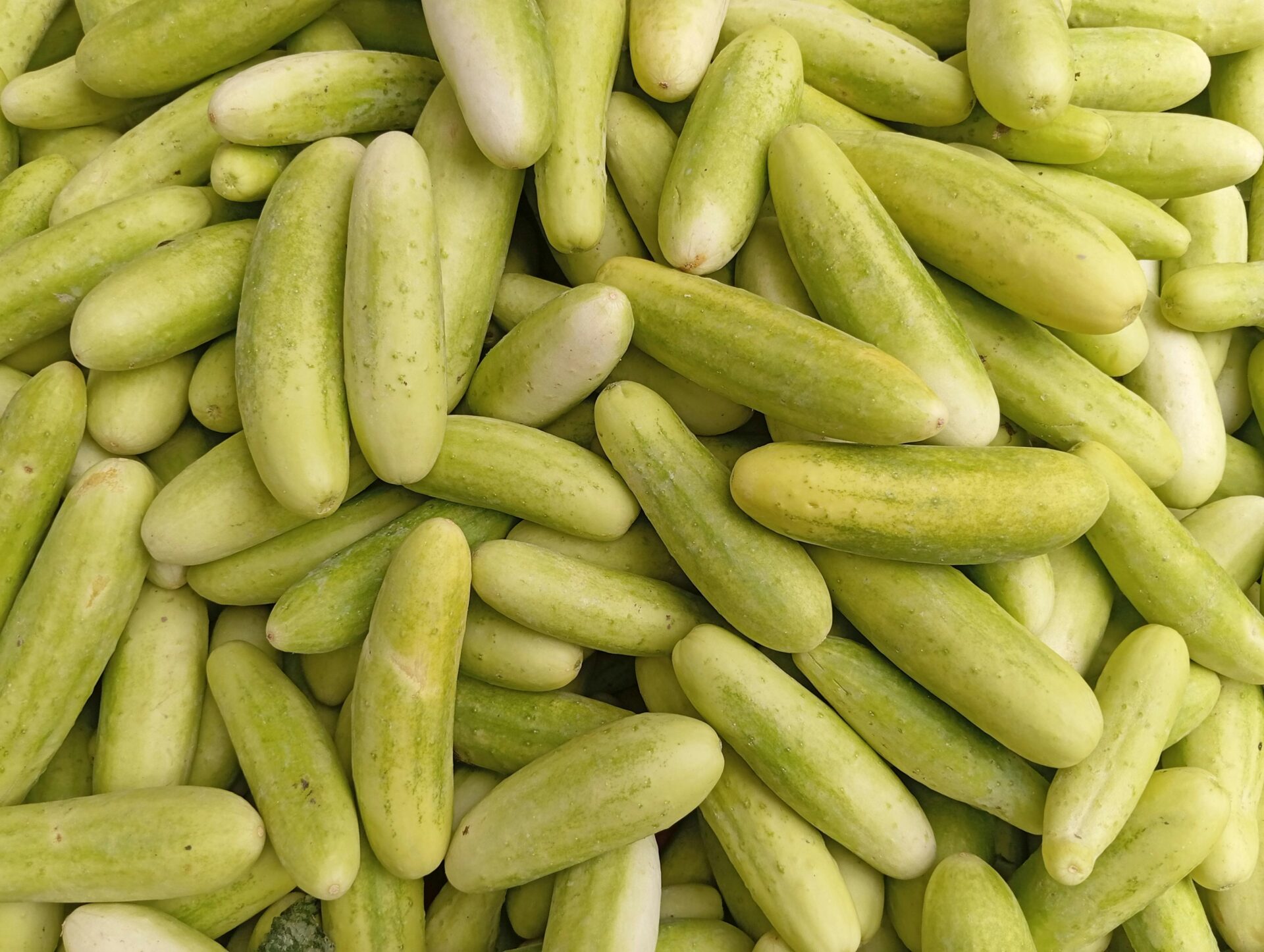
Asia’s culinary landscape is vast and incredibly diverse, spanning thousands of years of history, countless cultures, and myriad local traditions. Among the bustling street markets, family kitchens, and revered temples, there exists a surprising and often overlooked phenomenon: the presence of accidental plant-based dishes that are inherently vegan in everyday culture. Unlike the deliberate veganism seen in many Western contexts, much of Asia’s plant-based cuisine arises naturally from religious beliefs, agricultural practices, and cultural habits, making veganism a hidden undercurrent rather than an overt lifestyle choice.
This hidden veganism offers a unique lens through which to explore how deeply intertwined plant-based eating is within the fabric of Asian societies. The region’s varied vegetarian traditions, coupled with the widespread use of vegetables, grains, legumes, and herbs in everyday dishes, contribute to a rich repertoire of foods that many might not immediately recognize as vegan. Travelers exploring local markets often find that alongside fresh produce, there is a vibrant selection of winter apparel reflecting the season’s cultural tastes. This article will explore the cultural, historical, and social factors that have shaped these accidental vegan traditions and highlight some of the delicious plant-based dishes that thrive in everyday Asian cuisine.
Religious Roots and Cultural Influence: The Role of Buddhism, Jainism, and Hinduism
The foundation of many plant-based food traditions across Asia can be traced back to religious beliefs, especially those that emphasize non-violence and compassion toward all living beings. Buddhism, Jainism, and Hinduism have played pivotal roles in shaping dietary practices that promote vegetarianism and, by extension, veganism—even if unintentionally in some cases.
In many Buddhist communities, the principle of ahimsa, or non-harm, encourages the avoidance of killing animals. This has naturally led to a proliferation of vegetarian dishes, especially in countries like Thailand, Myanmar, China, and Japan. Monasteries often serve food that is completely plant-based, with strict avoidance of meat, fish, and sometimes even pungent vegetables like garlic and onions due to their supposed stimulating properties. Although strict veganism is less common, many dishes prepared in these religious contexts contain no animal products, creating a rich tradition of accidental vegan fare.
Similarly, Jainism, particularly influential in parts of India, is perhaps one of the strictest dietary religions. Jains avoid all root vegetables to prevent harm to microorganisms in the soil, but they also abstain from meat, eggs, and dairy, aligning closely with vegan principles. Although dairy is common in many Indian vegetarian dishes, the Jain tradition provides a clear example of long-standing plant-based eating rooted in religious ethics.
Hinduism’s influence on Indian cuisine is also significant. Many Hindus adhere to vegetarianism, and many Hindu festivals celebrate plant-based foods. While dairy often features prominently in Hindu cuisine, the sheer variety of legume, grain, and vegetable dishes available creates many naturally vegan options. These religious frameworks have fostered food cultures where plant-based eating is not just an alternative diet but a mainstream cultural norm.
This deep connection between spirituality and diet means that many Asian plant-based dishes are not crafted specifically as vegan, but rather emerge as a byproduct of devotion and ethical practice. The result is a culinary landscape filled with dishes that are inherently free from animal products, enjoyed by millions daily without the label or intent of veganism.
Everyday Veganism in Asian Street Food and Home Cooking
Beyond religious influence, everyday Asian cuisine contains an abundance of dishes that are accidentally vegan, particularly in the realm of street food and home cooking. The vibrant markets of Asia are teeming with plant-based options that are flavorful, affordable, and deeply satisfying—yet often fly under the radar of the global vegan movement.
In many Southeast Asian countries, for example, dishes like Vietnamese fresh spring rolls packed with herbs, rice noodles, and tofu are typically vegan unless paired with fish sauce or meat-based condiments. In Indonesia, the humble gado-gado salad, featuring boiled vegetables, tofu, tempeh, and peanut sauce, is a naturally plant-based delight. These dishes are eaten by locals across all walks of life, not just vegetarians or vegans.
In Japan, inari sushi—sweetened tofu pockets filled with sushi rice—is often vegan by default. Miso soup can be vegan, though it depends on the broth used. The simple beauty of steamed rice, pickled vegetables, and seaweed snacks also offers a range of plant-based possibilities that are staples in many households.
Chinese cuisine, despite its reputation for heavy use of meat, also features many vegan-friendly options, especially in regions where Buddhist vegetarianism is prevalent. Dishes like stir-fried greens, mapo tofu (which can be adapted vegan), and steamed buns filled with vegetables demonstrate the variety possible within plant-based cooking.
The key to these accidental vegan dishes is that they are part of everyday culinary practice, not niche vegan menus. For many people across Asia, eating plant-based is not a moral stance or dietary trend—it’s simply how meals are often prepared and enjoyed. The communal, family-oriented nature of food in these cultures means these dishes are embedded in social rituals, festivals, and daily nourishment.
The Role of Agriculture and Seasonality in Promoting Plant-Based Eating
The structure of agricultural systems and seasonal food availability across Asia also contributes to the prevalence of accidental veganism. Many traditional Asian diets are rooted in grains, legumes, vegetables, and fruits grown locally, making plant-based eating a natural outcome of food access rather than a deliberate choice.
Rice is a staple across much of Asia, and its cultivation has shaped culinary traditions from China to Indonesia to India. Alongside rice, legumes such as lentils, mung beans, and soybeans form the backbone of many dishes, providing essential protein in diets that do not always rely on meat. The widespread use of tofu and tempeh as versatile, plant-based protein sources further highlights the reliance on agricultural bounty rather than animal farming.
Seasonality plays an important role as well. Traditional Asian food culture often revolves around what is freshly harvested, encouraging the consumption of local, seasonal produce. Markets burst with leafy greens, gourds, mushrooms, root vegetables, and aromatic herbs, which all find their way into dishes that are naturally plant-based. This seasonal approach ensures freshness, flavor, and variety while limiting dependence on animal products.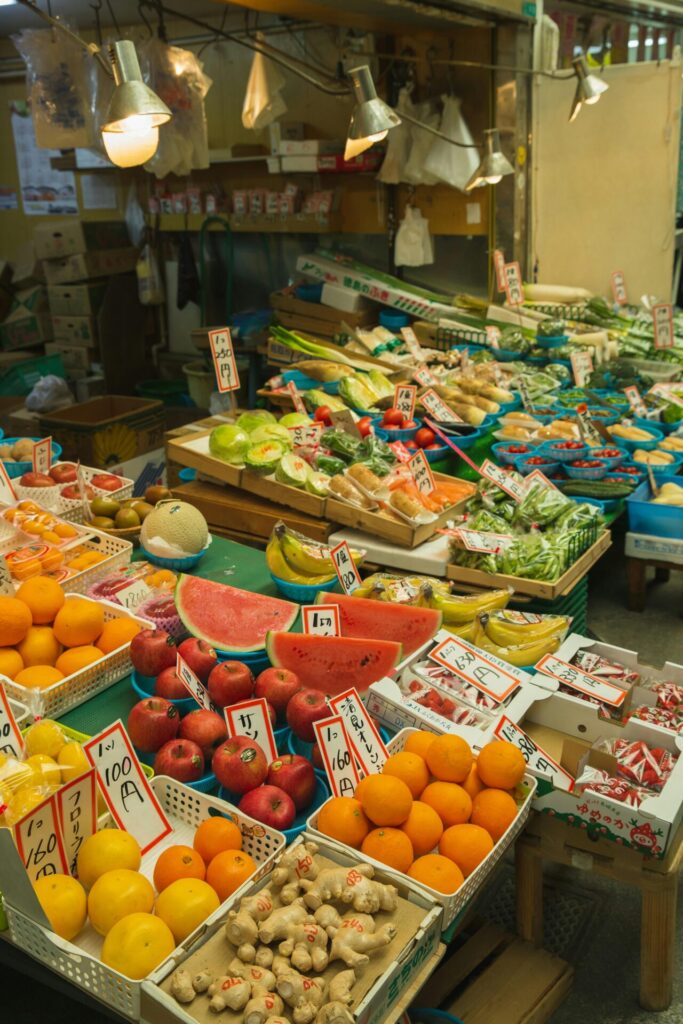
In some rural regions, animal husbandry might be limited by geography, economy, or religious reasons, pushing communities toward plant-based staples. Additionally, the long history of fermentation in many Asian cuisines—seen in products like kimchi, miso, soy sauce, and fermented tofu—has helped preserve plant foods and enrich their flavors, creating complex dishes without animal ingredients.
Challenges and Modern Shifts: Navigating Authenticity and Vegan Identity
Despite the richness of accidental veganism in Asia, there are challenges both for local consumers and global vegans navigating this landscape. One of the most complex issues is that of authenticity. Many traditional plant-based dishes may contain hidden animal-derived ingredients like fish sauce or lard, which complicates vegan claims.
For locals, these ingredients are often considered essential for flavor and authenticity, making complete veganism difficult to achieve in everyday eating without significant adjustments. For travelers and vegans from outside Asia, understanding and respecting these nuances requires patience and cultural sensitivity.
At the same time, modernization and globalization are shifting food habits. Increased urbanization, rising incomes, and the influence of Western diets are leading to more meat consumption in many Asian countries. This has sparked renewed interest in plant-based eating as a health and environmental movement, with new vegan products and restaurants emerging in cities.
Interestingly, many Asian chefs and entrepreneurs are now revisiting these traditional accidental vegan dishes, elevating them into deliberately vegan culinary experiences. This blend of heritage and innovation helps to bridge the gap between tradition and modern vegan identity.
Social media and digital platforms have also played a role in raising awareness about plant-based eating in Asia. Vegan bloggers, influencers, and community groups are educating people about hidden animal products, offering recipes, and promoting local vegan-friendly options.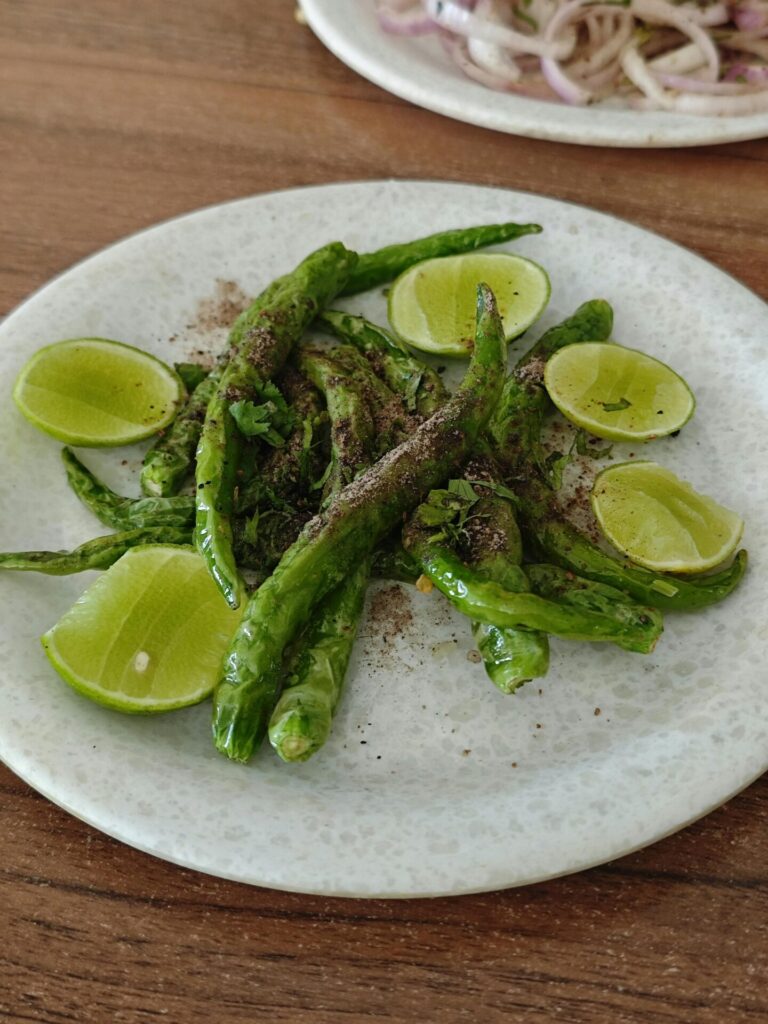
Conclusion: Celebrating the Unseen Vegan Heritage of Asia
The hidden veganism of Asia is a testament to the profound ways culture, religion, agriculture, and history shape food beyond labels and trends. In everyday markets, family meals, and religious festivals, accidental plant-based dishes thrive, nourishing millions with flavors and traditions that often go unrecognized in global vegan discourse.
This natural, unintentional veganism reflects a deep-rooted connection to the land, a respect for life, and an adaptability to seasonal cycles. It reveals that vegan eating is not always a modern, conscious choice but often a part of living culture, embedded in the daily practices of diverse Asian societies.
Recognizing and celebrating this heritage broadens the understanding of what veganism can be. It encourages a more inclusive, culturally aware view that honors the rich histories behind plant-based cuisine. As the world grapples with environmental and ethical challenges, the lessons from Asia’s accidental veganism offer inspiration: that sometimes, the most profound sustainability is found in tradition, not invention.
By shining a light on these hidden vegan gems, we can appreciate the complexity and beauty of Asian food cultures and encourage greater respect and curiosity for the plant-based roots that nourish so many across the continent.
