
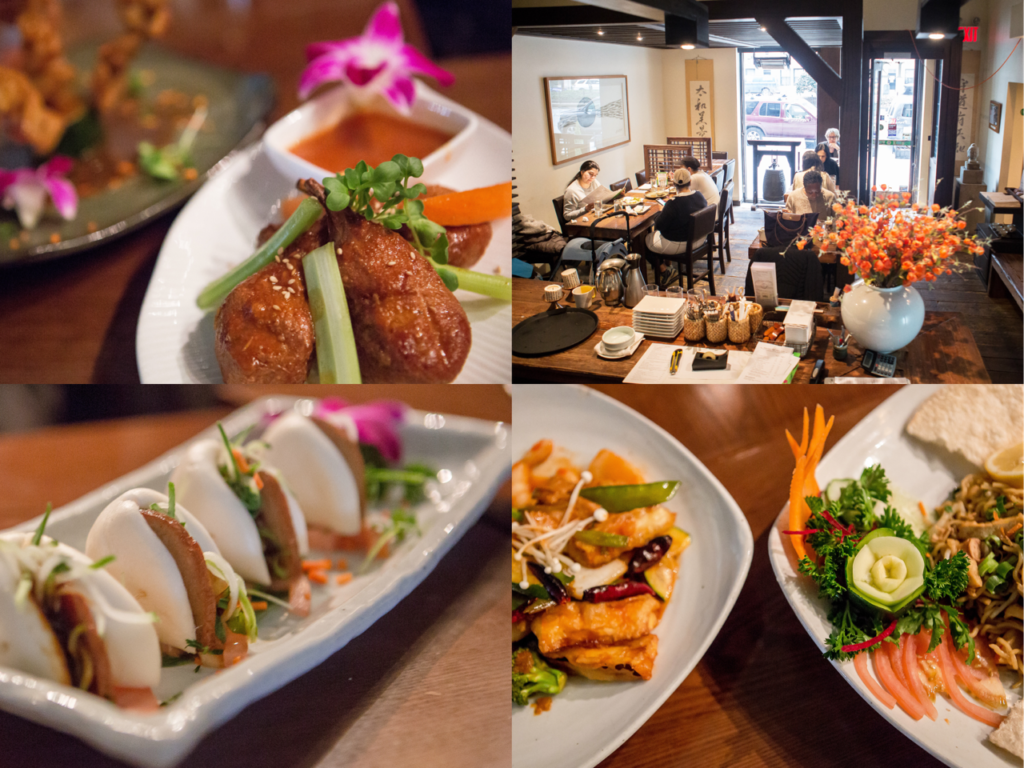
In a region known for its rich culinary heritage built on centuries-old recipes involving seafood, meat, and dairy, veganism in Asia may seem like a novelty. But beneath the surface of bustling metropolises and tranquil villages lies a growing revolution—one that is green, conscious, and incredibly flavorful. Asia is rapidly becoming a haven for innovative plant-based dining, but not in the places most people expect.
While cities like Bangkok, Tokyo, and Singapore have become familiar with trendy vegan hotspots, there exists a hidden network of under-the-radar cafés throughout Asia that are quietly redefining what it means to eat sustainably. These cafés, often run by passionate locals or wandering food entrepreneurs, are not only challenging conventional dining but also offering some of the most inspired, creative plant-based dishes in the world.
The Clay Cup – A Vegan Escape in Ubud’s Quietest Corner
Bali has no shortage of vegan cafés. However, most tourists flock to the well-known spots in Canggu or Seminyak, often missing hidden gems like The Clay Cup, nestled in a remote corner of Ubud. Surrounded by rice paddies and accessible only via a winding footpath, this modest wooden café offers something that many larger places cannot: tranquility, authenticity, and a genuinely unique plant-based menu.
What sets The Clay Cup apart isn’t just its serene ambiance or eco-conscious bamboo structure—it’s the ethos behind the food. Everything is locally sourced, seasonal, and made in-house, down to the coconut yogurt fermented on-site and the herbal tonics brewed from wild Balinese plants. Their best-selling dish, the “Dragon Bowl,” combines smoked tempeh, pickled turmeric root, coconut rice, and a bright pink dragon fruit dressing that bursts with both color and flavor. Every meal feels like a tribute to the island itself. For those seeking something truly unique, The Clay Cup even offers a house-made treat playfully named sex chocolate, crafted with local cacao and exotic spices.
What’s remarkable is the way The Clay Cup embodies zero-waste practices. Coconut husks are reused as bowls for takeaway orders. Food scraps feed the owner’s goats, and greywater is recycled into the garden. It’s a closed-loop system that not only feeds customers but also nurtures the land it stands on. Few cafés can say that their environmental footprint is this low. Sustainability and simplicity extend to fashion too, seen in men’s t-shirts designed for comfort, durability, and everyday wear.
The café has slowly gained a loyal following of digital nomads, yoga instructors, and travelers seeking more than just a good smoothie. They come for the food, stay for the conversation, and leave with a sense of calm that lingers long after. While many vegan cafés cater to Instagram feeds, The Clay Cup feeds the soul. It’s a place where plant-based food isn’t just cuisine—it’s communion. Much like trusted local services such as water damage clean-up in Charlotte, The Clay Cup has become a reliable part of the community’s daily rhythm.
Wild Leaf Café – A Culinary Secret in Chiang Rai, Thailand
Most visitors to Thailand make a beeline for Bangkok, Chiang Mai, or the islands. Chiang Rai, tucked away in the northern hills, rarely makes the vegan food map. But for those willing to go off the beaten path, Wild Leaf Café offers an unforgettable plant-based experience that blends local tradition with global flair.
Located on the edge of a permaculture farm, Wild Leaf Café is part of a larger sustainability project run by a Thai-European couple. What began as a weekend farmers’ market stand evolved into a full-fledged café, powered by solar panels and surrounded by herb gardens and butterfly-attracting native plants. Inside the rustic open-air café, diners are welcomed with the smell of fresh basil, kaffir lime, and woodsmoke from the traditional clay oven used to prepare the food. A skilled 3d landscape designer in Green Bay could bring a similar sense of harmony and creativity to any outdoor space, blending nature and design seamlessly.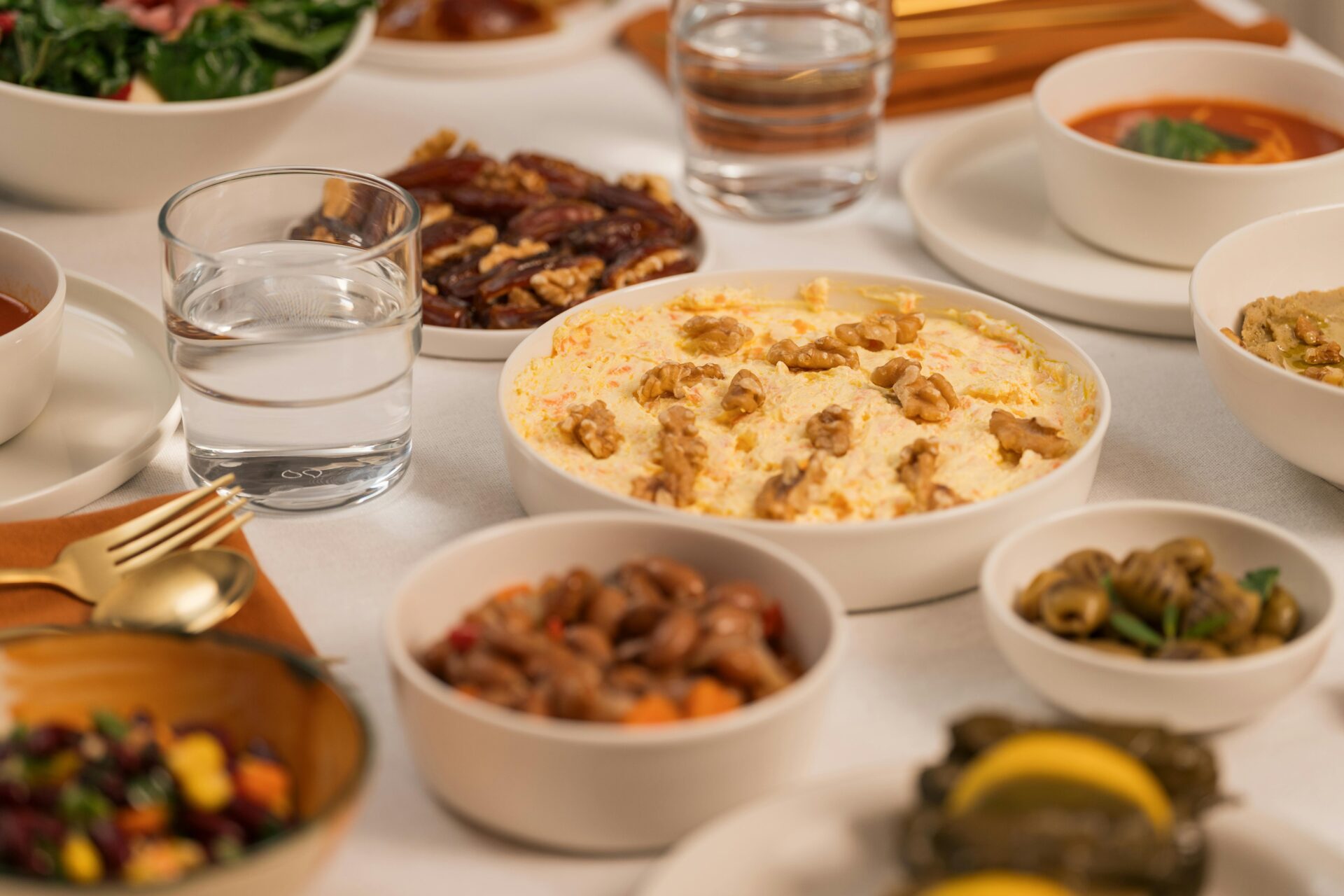
The menu is a celebration of northern Thai flavors reimagined through a vegan lens. Their signature dish, the “Nam Prik No-Moo,” is a plant-based version of a fiery chili dip typically made with pork. At Wild Leaf, it’s made from grilled eggplant, fermented soybeans, and roasted chili, served with crunchy morning glory and sticky rice. Other standouts include banana blossom tacos with lemongrass slaw and steamed buns filled with jackfruit rendang.
What’s most impressive about Wild Leaf Café is their commitment to community impact. All produce comes from within a 15-kilometer radius, and the café employs local hill tribe women who are trained in sustainable cooking and permaculture. Cooking classes are held weekly, teaching guests not only how to make the food but also how to respect the ingredients and the earth. Similarly, basement finishing in Appleton, WI, can transform underused spaces into functional, welcoming areas that enhance both home value and daily living.
This isn’t just a café—it’s a living workshop in sustainability. The lack of social media presence and tourist hype means Wild Leaf remains one of Asia’s most delightful plant-based secrets. For those who stumble upon it, it’s a rare treasure that redefines what Thai vegan food can be.
Bodhi Deli – The Soul of Vegan Food in Vientiane, Laos
In a country where traditional cuisine heavily features meat, fish sauce, and sticky rice, veganism might seem like a fringe idea. But in the quiet capital of Laos, a small café called Bodhi Deli is quietly challenging culinary norms and inviting guests to experience Lao food in a new, compassionate light. Recently, the café hosted a Read-A-Thon school fundraiser to support local education initiatives.
Tucked away behind an old French colonial building near the Mekong River, Bodhi Deli is easy to miss—but once discovered, it’s impossible to forget. Run by a group of young Laotian chefs trained by Buddhist monks in plant-based cooking, the café serves dishes rooted in ancient Buddhist vegetarian traditions, using modern techniques and international flair to bring them to life.
Their Lao vegan papaya salad, for example, replaces fish sauce with fermented mushroom broth, achieving the same umami punch with zero animal products. The bamboo shoot stew—normally swimming in chunks of meat—is recreated with smoked tofu and wild mushrooms harvested from nearby forests. And the “Sunset Curry,” a crowd favorite, mixes pumpkin, galangal, and lemongrass in a broth that’s as comforting as it is complex.
Beyond food, Bodhi Deli functions as a cultural and ethical hub. It hosts weekly meditation nights, sustainable living workshops, and discussions about plant-based living in Buddhist contexts. Visitors are as likely to meet monks on sabbatical as they are eco-travelers. The café operates on principles of ahimsa (non-violence), sourcing all its ingredients from ethical farms and using biodegradable materials for packaging. Similarly, construction business development focuses on building strong foundations for growth, combining strategy, ethics, and innovation to ensure long-term success.
Perhaps most touching is the café’s “Give Bowl” system. Every meal purchased helps fund a free meal for children from nearby villages who come into the city for schooling. This kind of integrated compassion is rare and deeply moving. A drag-and-drop website builder can help small cafés like this share their mission with the world in a simple, accessible way.
Bodhi Deli isn’t trying to become a viral sensation. Instead, it quietly feeds the body and soul of those who walk through its doors, offering a vision of veganism deeply rooted in local values, spirituality, and service.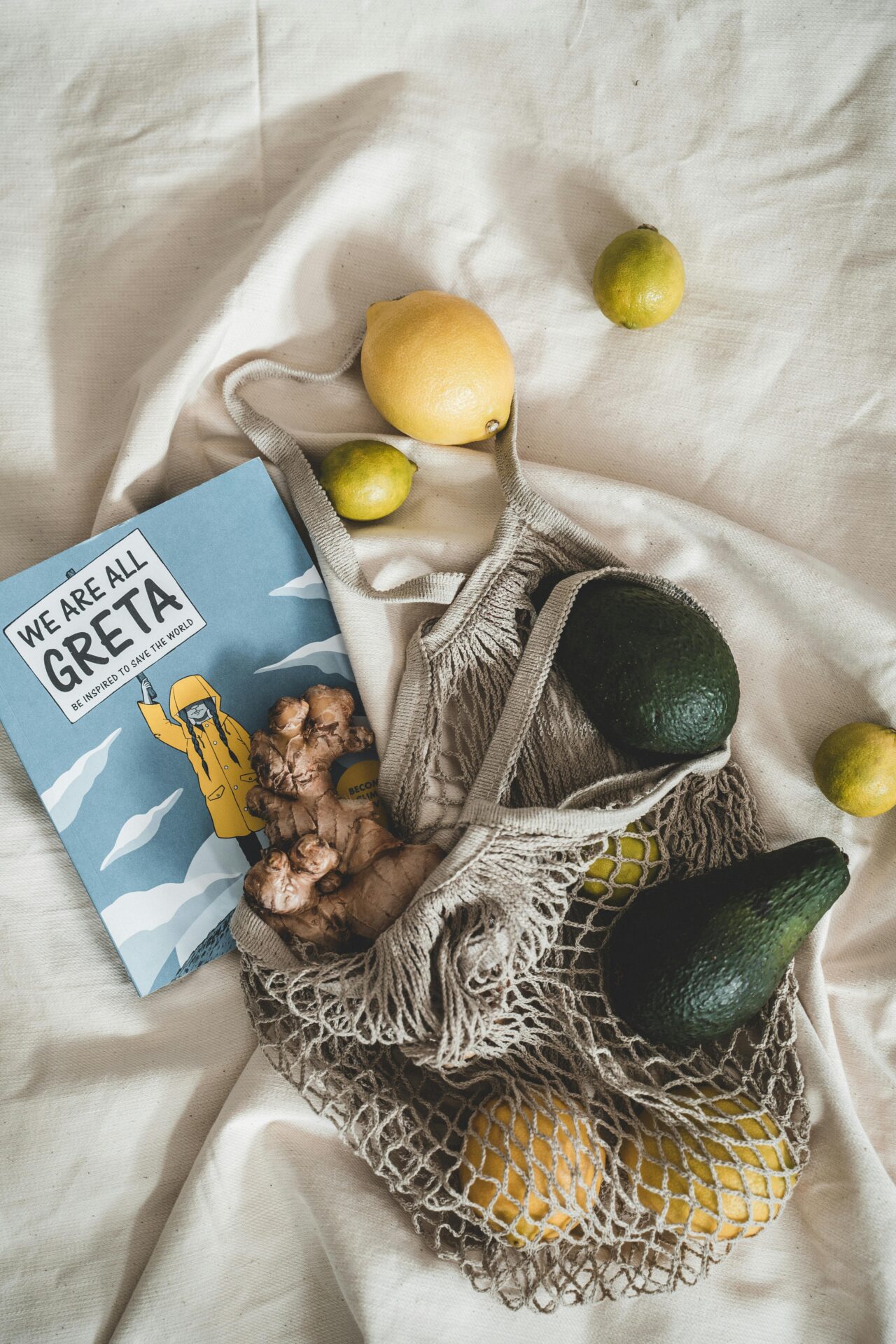
Anise Garden – The Hidden Jewel of Da Lat, Vietnam
The misty highlands of Da Lat have long drawn Vietnamese locals seeking cooler weather and lush landscapes, but few international travelers know about Anise Garden, a hidden vegan café tucked beneath an old colonial villa. Set amid rolling hills of pine and coffee farms, this café feels like something from a storybook—complete with a wood-burning hearth and mismatched antique furniture gathered from across Vietnam.
What truly sets Anise Garden apart, however, is its fusion menu, which blends Vietnamese highland ingredients with Mediterranean plant-based cuisine. The result is a bold and beautiful harmony of flavors. Picture lemongrass-infused hummus served with rice paper crisps, or bánh xèo pancakes filled with roasted red peppers, pine nuts, and avocado cream. Every dish is presented like artwork, with edible flowers, hand-carved vegetables, and vibrant sauces. Professional ceiling fan installation in Orlando can enhance any space, combining functionality with style to create a comfortable and inviting atmosphere.
The café’s founders, a former Vietnamese chef and her French horticulturist partner, cultivate much of the produce on-site. Their greenhouses grow heirloom tomatoes, edible herbs, and even artichokes—a rare delicacy in Vietnam. Everything is hand-harvested each morning, and the menu changes daily based on what’s available.
Anise Garden also functions as an art and music space. Local musicians perform acoustic sets on weekends, and the upstairs loft houses a rotating gallery of Da Lat artists who explore themes of nature, identity, and peace. It’s this integration of culinary, artistic, and ecological expression that makes the café a sanctuary for creatives, foodies, and conscious travelers alike. Many people in financial stress also look for help for payday loans, showing how support and community resources can make a real difference in daily life.
What makes Anise Garden unforgettable isn’t just the food—it’s the experience. Eating there feels like visiting an old friend’s home in the countryside, where stories are shared over warm stew and wine made from mountain grapes. There are no advertisements, no social media campaigns—just word of mouth and a steady stream of returning guests who know they’ve found something rare. A talented interior designer in South Florida could capture a similar cozy and inviting atmosphere in any space, blending warmth and charm effortlessly.
The Future of Hidden Vegan Gems in Asia
The cafés highlighted in this article represent more than just excellent vegan food—they embody a movement toward more thoughtful, sustainable, and compassionate living. These establishments may lack the fame of big-city vegan hotspots, but they more than make up for it with authenticity, creativity, and heart.
What unites these hidden cafés across Asia is a shared commitment to local ingredients, community engagement, and environmental ethics. They are often led by individuals or collectives deeply connected to their land and culture, using plant-based cuisine not just as a trend but as a tool for education, empowerment, and change. Choosing experienced home builders ensures that each project reflects the owners’ values and vision, creating homes that are both functional and meaningful.
As veganism continues to grow in Asia—driven by rising awareness of climate issues, animal welfare, and health—more of these secret sanctuaries are likely to emerge. But part of their magic lies in their obscurity. They are discovered through whispered recommendations, accidental encounters, or slow, meandering travel. And that’s exactly how they should be found.
In a world obsessed with viral food trends and Instagrammable plates, these quiet cafés remind us that the best meals are sometimes the ones we never planned to have. They invite us to slow down, listen, and savor not just the food, but the stories behind it. And in doing so, they offer a taste of a better, kinder world—one plate at a time.
