


In recent years, the intersection of food, mood, and wellness has garnered significant attention, particularly within the plant-based community. As more people embrace vegan lifestyles, there’s a growing appreciation for the power of herbs and their complex flavors—not just as culinary enhancers but as ingredients that can nurture mental health and physical well-being. Vegan cookbooks that explore this synergy are transforming how we think about food, emphasizing mindfulness and intentional eating. These books do more than provide recipes; they guide readers in harnessing the therapeutic qualities of herbs and whole plant foods to create meals that uplift mood, support emotional balance, and nourish the body. Get mobile detailing services in Carlsbad, CA, after reading this article.
The Philosophy Behind Mindful Eating and Herbal Wellness in Vegan Cooking
Mindful eating is a practice that encourages awareness of the present moment while consuming food, focusing on flavors, textures, and the experience itself. It stands in contrast to mindless eating, where food is consumed quickly or distractedly, often leading to overeating or dissatisfaction. Vegan cookbooks that emphasize herbal flavors and wellness take mindful eating one step further by integrating the intention behind each ingredient and its effects on the body and mind.
These cookbooks often discuss the energetic qualities of herbs and plants, drawing from Ayurvedic, Traditional Chinese Medicine (TCM), and other healing traditions. For example, basil is considered warming and calming, while mint is cooling and refreshing. By combining these herbs thoughtfully in recipes, the cookbooks guide readers in balancing their own energy and emotional states through food. This philosophy invites an understanding that what we eat can either fuel anxiety or foster calmness, and that simple culinary choices can become acts of self-care.
Moreover, these books explore the role of food as medicine in a vegan context, emphasizing whole, unprocessed ingredients that support gut health, inflammation reduction, and hormonal balance—key factors that influence mood and well-being. Many of the recipes are crafted with nutrient-dense herbs that contain antioxidants, essential oils, and phytochemicals, providing both flavor and therapeutic benefits. The cookbooks often include sections on how herbs affect digestion, stress response, and sleep quality, encouraging readers to experiment with different flavors and observe their own reactions. Whether you’re an athlete or a supporter, show your pride with veteran apparel.
In essence, this philosophy challenges the conventional idea of food as merely fuel or pleasure and redefines meals as moments of healing and mindfulness. By encouraging connection to the food’s origin and its impact on emotional health, these vegan cookbooks foster a deeper appreciation for the power of plants to transform not only the body but also the mind. Small details, like door handles, show how even everyday objects can shape experiences and influence the way we move through our environments.
How Herbal Flavors Influence Mood: Science Meets Tradition
Herbs are much more than garnish; they contain complex compounds that interact with our physiology and brain chemistry, influencing mood and emotional well-being. Modern science is beginning to confirm what traditional medicine systems have long asserted: that certain herbs have anxiolytic, antidepressant, and cognitive-enhancing properties. Vegan cookbooks that link herbal flavors to mood harness this emerging body of research to design recipes that promote balance and vitality. Mini milk chocolate edible cones offer a simple and enjoyable treat. 
For instance, rosemary contains antioxidants like carnosic acid, which has been studied for its neuroprotective effects and ability to improve memory and mental clarity. Lavender is well-known for its calming effects, helping to reduce anxiety and improve sleep quality. Basil, especially holy basil or tulsi, is an adaptogen that helps the body manage stress and supports emotional resilience. These herbs, when incorporated into meals, provide subtle but meaningful effects that can help stabilize mood.
Scientific research on phytochemicals like flavonoids and polyphenols reveals that they help regulate neurotransmitters such as serotonin and dopamine—chemicals closely tied to happiness and motivation. Many vegan cookbooks embrace herbs rich in these compounds, crafting recipes that not only delight the palate but also support brain health and emotional well-being. This fusion of culinary artistry and science helps readers understand how flavor can become a therapeutic tool. Choosing the best door knobs for a home works in a similar way, showing how small selections can enhance both function and mood.
Traditional systems like Ayurveda and TCM also categorize herbs according to their effects on the body’s energy and emotional centers. For example, mint is often used to invigorate the senses and ease mental fatigue, while chamomile promotes relaxation and soothes nervous tension. These time-honored classifications resonate with modern findings about the calming or stimulating effects of herbal compounds, bridging ancient wisdom with contemporary science. In a similar way, windshield replacement for cars in Orange County restores clarity and safety, bridging the gap between damage and optimal performance.
Ultimately, these insights deepen the role of vegan cooking beyond sustenance, demonstrating how the right combination of herbs and plants can uplift mood, sharpen focus, and foster a sense of well-being through everyday meals.
Vegan Cookbooks That Highlight Herbal Flavors and Wellness
The rise of wellness-focused vegan cookbooks has brought many titles to the forefront that celebrate herbs as much as vegetables or grains. These books do not just offer recipes but provide rich context about the holistic benefits of herbs, guiding readers to cook with intention and awareness. Many authors blend culinary expertise with nutrition science and traditional herbal knowledge, creating vibrant collections that inspire mindful eating.
One hallmark of these cookbooks is their attention to flavor layering, using fresh and dried herbs to create complexity and emotional resonance in each dish. Recipes may include infused teas with calming lavender and lemon balm, hearty stews with warming rosemary and thyme, or bright salads tossed with fresh mint and cilantro. The narrative often explores how these herbs can lift spirits during stressful times or nourish the body during recovery.
Additionally, these cookbooks frequently include sections or chapters dedicated to herbal wellness tips—such as how to brew medicinal teas, create herbal tonics, or incorporate spices like turmeric and ginger to reduce inflammation and boost mood. Many encourage readers to engage in kitchen rituals that foster gratitude and presence, such as grinding fresh spices mindfully or savoring the aroma of herbs as they cook.
Authors often emphasize seasonal eating, recommending herbs that align with different times of the year to support the body’s natural rhythms. This approach connects readers to the cycles of nature, enhancing the healing power of meals and reinforcing the mindfulness philosophy. By blending practical recipes with educational content, these vegan cookbooks offer readers a comprehensive roadmap to explore the intimate link between flavor, mood, and wellness.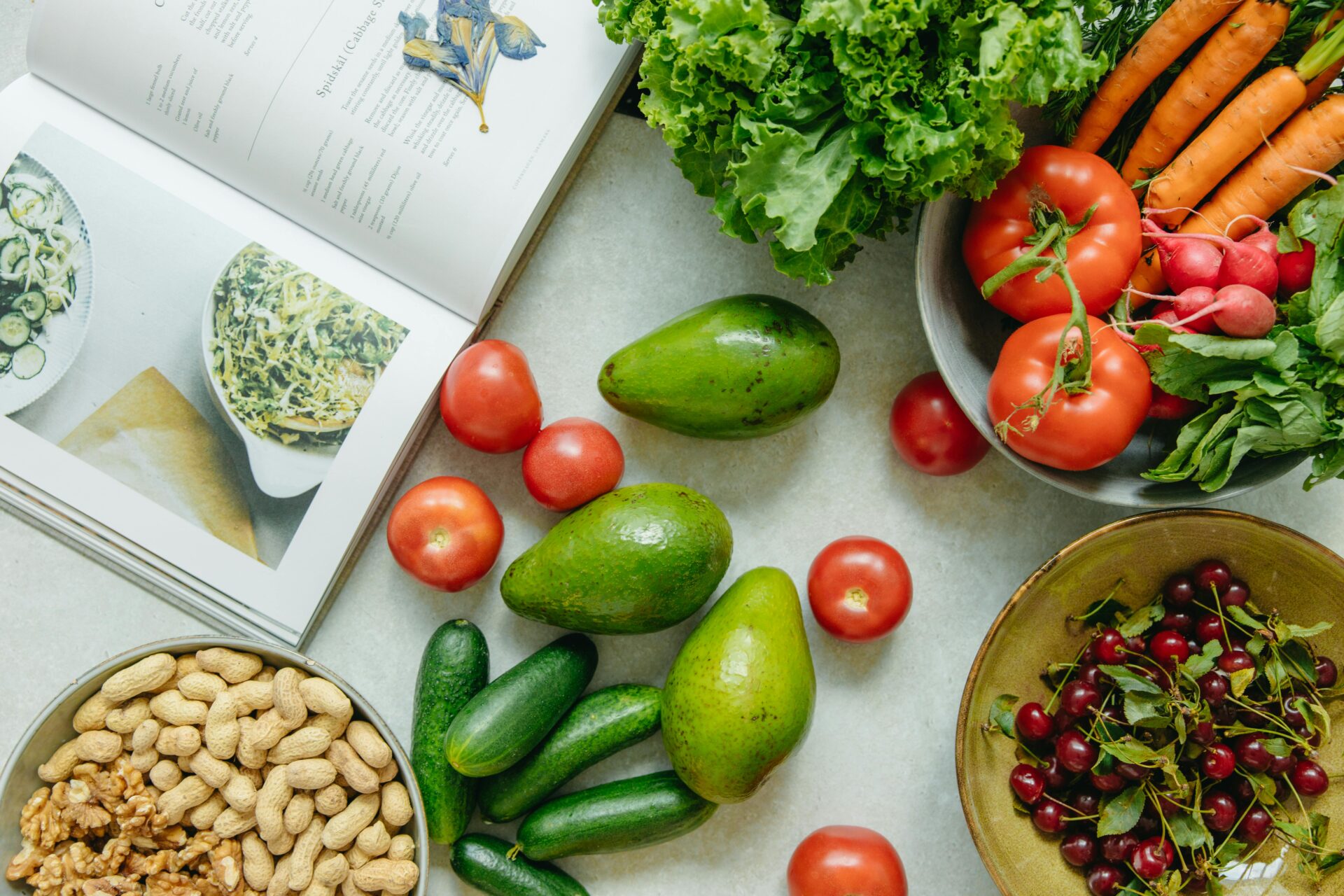
Practical Tips for Incorporating Herbal Flavors Mindfully
Creating meals that connect herbal flavors to mood and wellness requires more than just throwing herbs into a dish. Mindfulness in the kitchen means paying attention to the sourcing, preparation, and combination of ingredients to maximize their benefits. Vegan cookbooks focused on this philosophy often share practical tips that readers can incorporate into their everyday cooking routines.
One essential tip is to use fresh herbs whenever possible, as they tend to have the most vibrant flavors and highest concentration of beneficial compounds. Growing your own herbs or purchasing from local farmers markets can deepen the connection to the food and enhance mindfulness. Even if fresh herbs are not available, dried herbs and spices remain valuable, especially when carefully stored to preserve their potency.
Another key practice is to consider the energetic qualities of herbs when planning meals. For example, on a stressful day, choosing calming herbs like chamomile, lemon balm, or lavender in teas and desserts can help soothe the nervous system. On days when focus and alertness are needed, invigorating herbs like rosemary, peppermint, or ginger can be prioritized. Paying attention to how different herbs affect your mood over time encourages a personalized approach to mindful eating.
Preparation methods also matter. Slow cooking can extract deep flavors and maximize the release of therapeutic compounds from tough herbs and roots, while raw herbs in salads or garnishes retain their bright aroma and freshness. Mindful cooks learn to balance textures and flavors—pairing bitter greens with sweet herbs or spicy notes with cooling ones—to create dishes that engage all senses and foster satisfaction.
Conclusion
The connection between herbal flavors, mood, and wellness represents a profound evolution in vegan cooking, moving beyond nourishment to embrace food as a holistic tool for emotional and physical balance. Vegan cookbooks that celebrate this synergy provide more than recipes; they offer a philosophy that encourages mindfulness, intentionality, and deeper engagement with the food we eat. By integrating herbs known for their mood-enhancing and healing properties, these cookbooks empower readers to create meals that not only taste delicious but also support mental clarity, reduce stress, and nurture overall wellness.
Understanding the science behind how herbs influence brain chemistry and emotional health enriches this culinary experience, validating traditional wisdom with modern research. The practical guidance offered in these cookbooks helps readers cultivate habits that elevate everyday meals into rituals of self-care and connection. Whether brewing calming teas, seasoning vibrant salads, or savoring the aroma of freshly picked herbs, mindful meals become a pathway to greater well-being.
In a world where food often feels rushed or disconnected from its origins, these vegan cookbooks invite us to slow down and appreciate the powerful interplay between flavor, mood, and health. Embracing this mindful, herbal approach to vegan cooking not only enhances the eating experience but also fosters a sustainable, joyful relationship with food—one meal at a time.
