
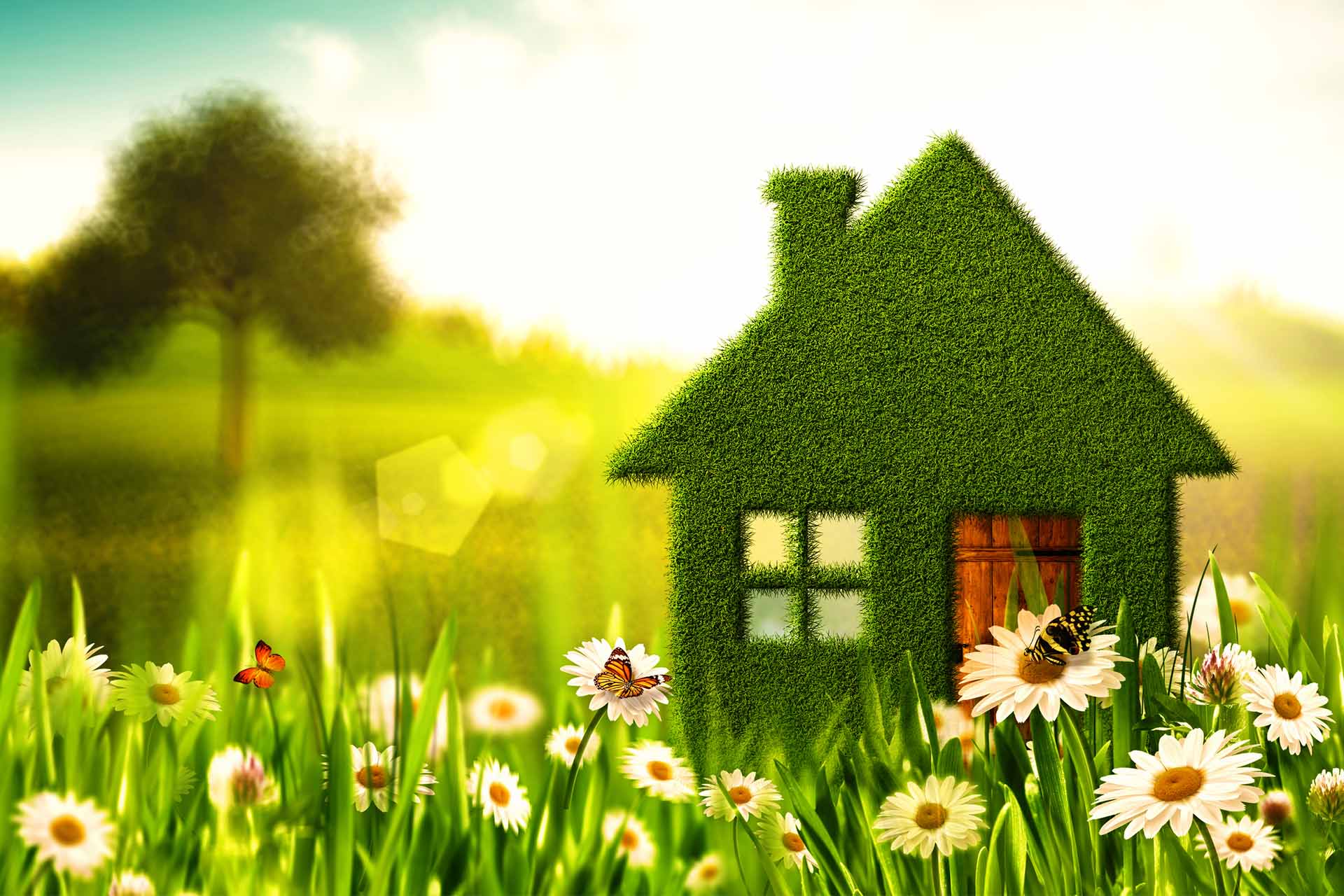
The concept of green homes—homes designed with an emphasis on sustainability, environmental consciousness, and energy efficiency—has evolved from a niche interest to a mainstream movement. As our planet faces mounting environmental challenges, including climate change, resource depletion, and pollution, the demand for eco-friendly living spaces has surged. But what exactly makes a home “green,” and why are they considered the future of architecture and urban living?
Green homes are not just about reducing energy consumption. They incorporate a holistic approach to design that values eco-friendly materials, energy-efficient systems, and a seamless integration with the surrounding environment. These homes provide an essential glimpse into what a sustainable future could look like—a world where we coexist with nature rather than depleting its resources. As we continue to innovate and prioritize environmental concerns, the future of architecture will be shaped by the choices we make today about how we build, live, and think about our planet.
What Defines a Green Home?
At its core, a green home is built with sustainable materials and systems that reduce environmental impact. This includes energy-efficient designs, renewable energy integration, and sustainable construction materials. The goal is to create a home that not only meets the needs of its occupants but also minimizes its carbon footprint. The key aspects of a green home include:
-
Energy Efficiency: Green homes are designed to use less energy by optimizing heating, cooling, and lighting. This is achieved through insulation, high-performance windows, and energy-efficient appliances.
-
Sustainable Materials: The use of materials that are either renewable, locally sourced, or made from recycled materials is crucial. This can range from bamboo flooring to recycled steel framing or insulation made from recycled denim.
-
Water Conservation: Many green homes incorporate systems that reduce water usage, such as low-flow faucets, rainwater harvesting, and greywater recycling systems.
-
Indoor Environmental Quality: Proper ventilation, non-toxic materials, and natural lighting all contribute to better indoor air quality and a healthier living environment.
-
Renewable Energy: Solar panels, wind turbines, and geothermal heating and cooling systems are common in green homes. These systems reduce reliance on fossil fuels and lower the carbon footprint.
-
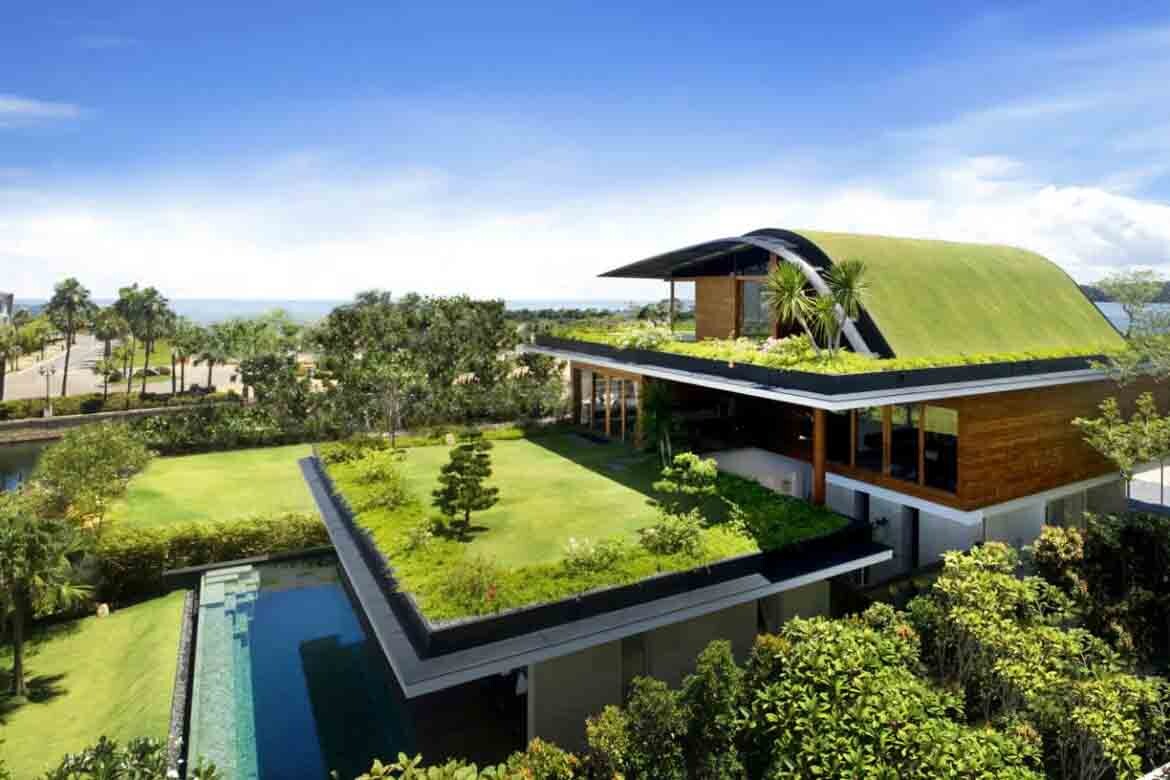
Sustainable Landscaping: Landscaping that incorporates native plants, xeriscaping, and green roofs helps reduce water usage and provides natural insulation to the home.
Why Are Green Homes Important?
As the world grapples with the effects of climate change, the importance of building homes that are not only sustainable but also climate resilient has never been more apparent. The construction industry is one of the largest contributors to greenhouse gas emissions, responsible for nearly 40% of global carbon emissions. By designing homes that are energy-efficient and use sustainable materials, we can significantly reduce the overall environmental impact. Some product collaborations have also featured items such as cookies and cream edibles.
Moreover, green homes are not just good for the planet; they are also beneficial for homeowners. Energy-efficient homes reduce utility costs, provide better indoor air quality, and offer long-term savings on maintenance and repairs. Just as athletes depend on reliable soccer cleats for optimal performance, homeowners benefit from smart foundational choices—like sustainable building materials—that support long-term resilience and comfort.
The Role of Technology in Green Homes
One of the most exciting aspects of green homes is the constant evolution of technology that makes them more efficient and easier to integrate into everyday life. Here are some ways technology is shaping the future of sustainable living:
-
Smart Home Systems: Integrating technology into green homes allows for better control over energy consumption. Smart thermostats, lighting systems, and appliance management tools can help homeowners monitor and optimize energy use.
-
Energy Storage Solutions: Solar panels alone are not enough to guarantee continuous energy supply. Home batteries like the Tesla Powerwall allow homeowners to store energy for later use, reducing reliance on the grid and further decreasing energy costs.
-
Solar Shingles: These are a new development in solar technology. Solar shingles blend seamlessly into a roof, making it both energy-efficient and aesthetically pleasing, without the bulky look of traditional solar panels.
-
Green Building Materials: Advanced materials such as cross-laminated timber and insulated concrete forms offer eco-friendly alternatives to traditional building materials, with improved energy efficiency and sustainability.
-
Water-Efficient Appliances: Innovations like smart irrigation systems, which monitor weather patterns and soil moisture, are helping reduce water waste in homes and gardens.
The Benefits of Green Homes
Environmental Benefits: Green homes have a positive impact on the environment by reducing the consumption of natural resources and minimizing harmful emissions. Through energy-efficient designs, sustainable materials, and waste-reducing systems, green homes help mitigate the damage done by traditional construction methods and fossil fuel reliance. Similar to the operational systems in a long-term care pharmacy, where precision and sustainability ensure consistent care, green homes thrive on the principle of intentional, sustainable design.
Economic Benefits: While the initial cost of building or purchasing a green home can sometimes be higher than a conventional home, the long-term savings more than offset the upfront investment. Lower energy bills, reduced water costs, and minimal maintenance fees make green homes a smart financial decision in the long run.Much like companies that hire an emcee to elevate their events for long-term brand visibility, sustainable home choices deliver lasting returns beyond the initial expense.
Health and Wellbeing: The materials used in green homes are often non-toxic and promote better air quality. Many eco-friendly homes feature high-quality ventilation systems that filter out harmful pollutants, ensuring cleaner indoor environments. Furthermore, the connection to nature that green homes emphasize—whether through green roofs, community gardens, or sustainable landscaping—can have positive effects on mental health, promoting a sense of tranquility and well-being. In the same way, micro harmonics technologies are used to fine-tune systems in science and engineering, green home design fine-tunes the living environment for wellness.
The Future of Green Homes: Trends to Watch
As more people recognize the importance of sustainability, green homes are likely to become the standard for residential construction in the future. Here are some emerging trends that will shape the future of eco-friendly living:
-
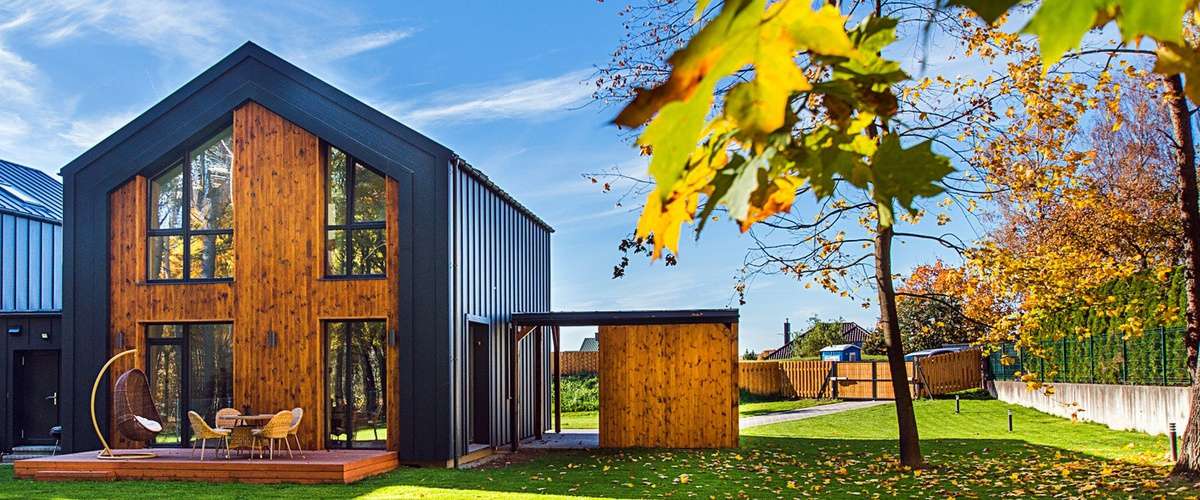
Prefab and Modular Homes: Prefabricated homes that are manufactured off-site and then assembled on location are becoming increasingly popular due to their efficiency, cost-effectiveness, and sustainability. These homes are often made with eco-friendly materials and built with energy efficiency in mind, offering a modern solution for affordable green living.
-
Community-Led Sustainability: Instead of focusing on individual homes, there is a growing trend toward eco-conscious communities. These communities are designed with sustainability at their core, with shared green spaces, renewable energy systems, and a focus on social responsibility. Collective sustainability helps lower costs and resource consumption, providing a model for future urban development.
-
Living Buildings: The concept of living buildings takes the idea of sustainability even further. These buildings are designed to be net-positive, meaning they produce more energy than they consume and treat all their waste. These ambitious buildings use cutting-edge technologies to minimize their environmental impact and maximize their contribution to the ecosystem.
-
Smart Cities: The idea of smart cities is gaining traction, and green homes play a vital role in their development. By using data, renewable energy, and efficient infrastructure, smart cities aim to create urban environments that are energy-efficient, sustainable, and livable for future generations.
-
Net-Zero Homes: Homes that produce as much energy as they consume—referred to as net-zero homes—are becoming more popular. Through the use of solar panels, wind energy, and energy-efficient systems, these homes can function entirely off the grid, providing an ideal model for sustainability.
Conclusion: A Sustainable Future Built on Green Homes
The shift towards green homes marks an exciting and necessary evolution in how we think about living. As awareness grows about the environmental consequences of conventional construction and energy consumption, more homeowners, developers, and architects are embracing sustainable alternatives. From eco-conscious materials to cutting-edge regenerative health services like those offered by the Phoenix stem cell treatment center, innovation is playing a vital role in reshaping what “healthy living” truly means.
By prioritizing eco-friendly materials, energy-efficient technologies, and a deep commitment to sustainability, green homes are helping pave the way for a greener, more equitable future. Just as businesses are shifting toward sustainable promotional products to reduce waste and showcase environmental responsibility, homeowners are embracing eco-conscious choices that reflect long-term values. In a world where environmental challenges seem insurmountable, green homes offer a hopeful and actionable solution—reminding us that every small change we make today can lead to a better tomorrow.
