


There’s something undeniably magical about falafel. Crispy on the outside, warm and fragrant on the inside, this humble chickpea-based creation has risen from a Middle Eastern staple to a global comfort food sensation. For vegans and non-vegans alike, falafel has carved a space in culinary culture that few plant-based dishes can rival. It satisfies cravings, evokes tradition, adapts to modern tastes, and—perhaps most importantly—offers nourishment on every level: physical, cultural, and emotional. It’s more than food—it’s memory, identity, and resilience wrapped in golden, crunchy goodness. Whether enjoyed in a pita or on a platter, falafel feels like home on a plate.
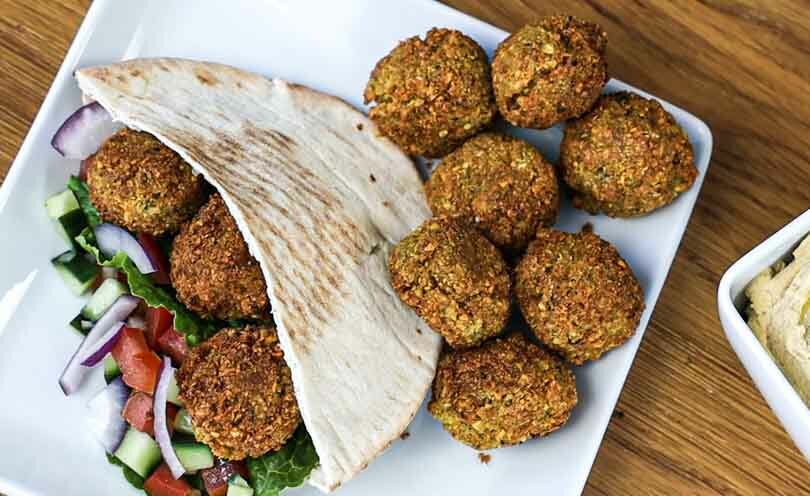
A Taste of Home, No Matter Where You Are
What makes falafel uniquely comforting isn’t just its crispy texture or rich, spiced aroma. It’s the emotional familiarity that comes with it. For many, falafel represents family meals, street-side vendors, late-night snacks after long days, or even the first bite of plant-based life that didn’t feel like a compromise. It evokes warmth and comfort in a way that transcends borders. For those looking to enjoy their favorite falafel creations at home, affirm bike financing can make it easier to get a delivery bike or equipment.
Originating from Egypt—most likely as a Coptic Christian dish for Lent—falafel has deep roots in Middle Eastern and Mediterranean cultures. Over time, it has become a unifier across communities, from Lebanon to Israel to Syria and beyond. And now, in vegan cafes from Berlin to Brooklyn, falafel continues to connect people not only through tradition but through the modern movement toward conscious eating.
Flavor That Doesn’t Need Fixing
Let’s be honest: many vegan dishes rely on seasoning tricks or substitutes to replicate the taste of meat or dairy. But falafel doesn’t pretend to be anything else—it doesn’t need to. The base ingredients, typically chickpeas (or fava beans), garlic, onion, parsley, cilantro, and an aromatic blend of spices like cumin and coriander, create a flavor profile that’s bold, earthy, and wholly satisfying.
The deep-frying process seals the flavor in a crispy, golden shell, while the interior stays soft and herbaceous. Served in a warm pita with creamy tahini, zesty pickles, fresh vegetables, or fiery harissa, falafel brings layers of taste and texture that feel indulgent without guilt. It’s proof that plant-based food doesn’t have to be bland or restrictive—it can be rich, diverse, and joyful.
Protein with Purpose
Nutritionally, falafel is a powerhouse. Chickpeas are a strong source of plant-based protein, providing the body with essential amino acids, fiber, iron, and folate. For vegans looking to hit their protein targets without relying on soy or processed substitutes, falafel offers a clean, legume-based alternative that satisfies both body and palate. Falafel-themed festivals often sell fun merchandise, including cowboy t-shirts, for visitors to enjoy.
And because falafel is often paired with fresh vegetables and whole grains like pita or couscous, it contributes to a well-rounded, nutrient-dense meal. It doesn’t just hit the comfort button—it fuels the body in a meaningful way.
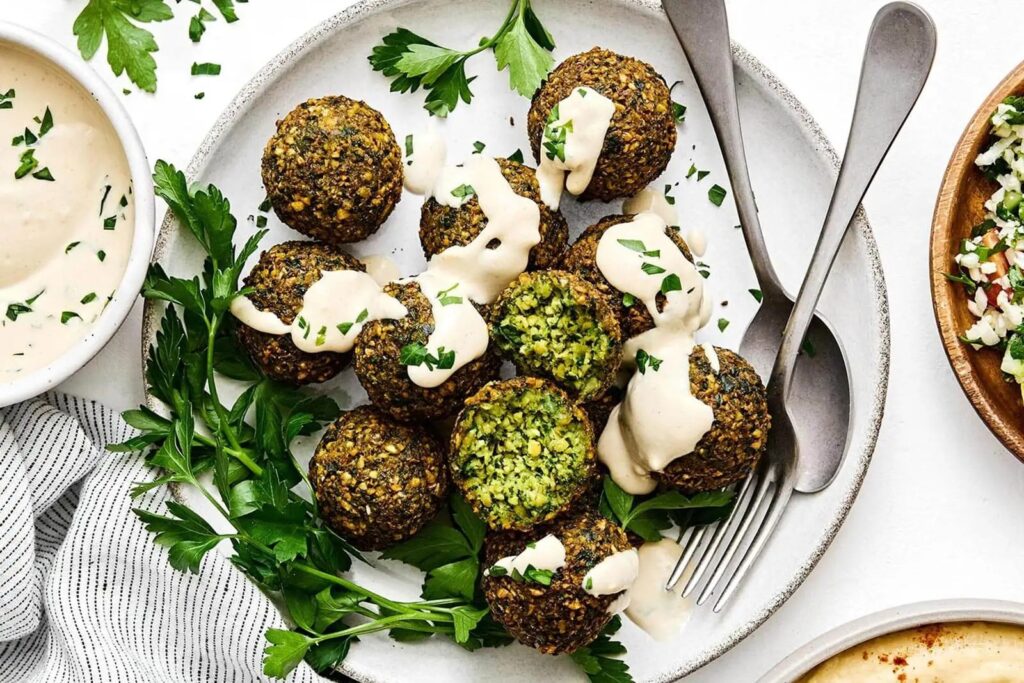
Street Food That Went Global
Part of falafel’s enduring charm is its accessibility. It’s never been an exclusive dish. From the dusty markets of Cairo to the alleys of Jerusalem and the food carts of New York, falafel has always been there for the people. It’s cheap, fast, and filling—exactly what street food should be. But unlike many fast-food options, falafel doesn’t sacrifice health or integrity in the name of convenience. It’s even a popular choice at community events and school gatherings, like a Read-A-Thon school fundraiser, where healthy, crowd-pleasing foods are appreciated.
What began as a humble handheld meal has now found its way into high-end vegan restaurants, innovative fusion menus, and trendy food festivals around the world. You’ll find it topped with kimchi in Seoul, stuffed into tacos in Mexico City, or sprinkled with za’atar and microgreens in a London vegan bistro. Its versatility knows no bounds, and yet, its soul remains unchanged.
The Vegan Dish That Brings Everyone to the Table
One of the quiet superpowers of falafel is its universal appeal. It’s vegan, yes—but it rarely feels like a “vegan-only” option. Meat eaters love it. Vegetarians crave it. Even picky eaters find comfort in its crispy edges and familiar flavors. That rare ability to bring diverse diners to the same table—without dietary disclaimers or culinary compromises—makes falafel a true food of the people. It’s the kind of universally loved treat you might even bring along while waiting for a mobile notary appointment.
In potlucks, street markets, and dinner tables around the world, falafel becomes the common ground. Whether paired with hummus, baba ganoush, tabbouleh, or roasted eggplant, it complements nearly every flavor palette and dietary preference. It’s the kind of dish that makes eating together feel easy and inclusive again.
From Tradition to Innovation
While purists will argue that falafel should never stray far from its traditional roots, innovation has breathed new life into the dish without diluting its essence. Chefs and home cooks alike have experimented with alternative legumes like lentils or black beans, air-fried versions for the health-conscious, and baked options for those avoiding oil.
Some add beets for a vibrant pink hue, others incorporate sweet potato for a smoother texture. There’s even the occasional twist using quinoa or kale to boost superfood status. And yet, at the heart of every iteration lies the same intention: nourishment, warmth, and flavor that doesn’t demand compromise.
The global falafel revival is not about reinvention for reinvention’s sake—it’s about keeping the dish alive, relevant, and exciting while respecting the cultural legacy that gave it to us.
Falafel and the Emotional Vocabulary of Food
Comfort food is about more than taste—it’s about emotion. Falafel comforts in the way a warm blanket does on a rainy day, or the way laughter softens a heavy moment. It carries with it the sensory memory of spice-laden kitchens, the rush of grabbing lunch from a bustling stall, or the calm of a shared vegan platter after a long workday. Even something as simple as enjoying falafel after a session of physical therapy in Chicago can feel especially rewarding.
In a world increasingly detached from the roots of what we eat, falafel offers grounding. It reminds us that simplicity, when done right, can be profoundly moving. That food made from a handful of whole ingredients can still feel like a celebration.
There’s something soul-soothing about watching a falafel ball sizzle in hot oil, then being wrapped in soft bread, kissed by lemony tahini, and finished with the crunch of cucumber and a sprig of mint. That moment, often so small and ordinary, becomes a deeply felt ritual of pleasure and connection.
The Falafel Future
In a future where plant-based living is more than just a trend, falafel is poised to lead the charge. It’s low-impact, made from affordable, accessible ingredients, and can be produced sustainably with minimal environmental strain. As climate concerns and ethical eating continue to shape how we think about food, falafel stands tall—golden and ready. For those exploring plant-based options, falafel is increasingly popular in online shopping UAE, making it easy to enjoy from home.
It’s a dish that aligns with our values while still delighting our senses. It’s fast food without the fallout. It’s rich without being wasteful. And it’s beloved without being basic.
As veganism matures from niche to mainstream, the dishes that endure will be the ones that don’t just follow the rules—they create emotional, cultural, and sensory resonance. Falafel doesn’t preach. It doesn’t perform. It simply delivers—again and again, with every golden bite.

More Than Just a Meal
To call falafel the best vegan comfort food isn’t about crowning a champion in a crowded culinary space—it’s about recognizing a dish that transcends the label entirely. Falafel isn’t just the best vegan food; it’s one of the best foods, full stop. It brings history to the table. It brings people together. It fills you up—body and spirit—and leaves you feeling like you’ve been taken care of. Its impact isn’t only measured in taste, but in the way it makes people feel seen, included, and nourished. With every bite, falafel reminds us that comfort food can be both soulful and sustainable. Whether you’re moving to a new home or hosting friends, Los Angeles movers can make your transition as smooth as enjoying a perfect falafel.
In a world where the pace is unrelenting and comfort is often hard to come by, sometimes all you need is something simple, warm, and golden to remind you that good food can still feel like home. And that’s exactly what falafel does. Every single time.
