

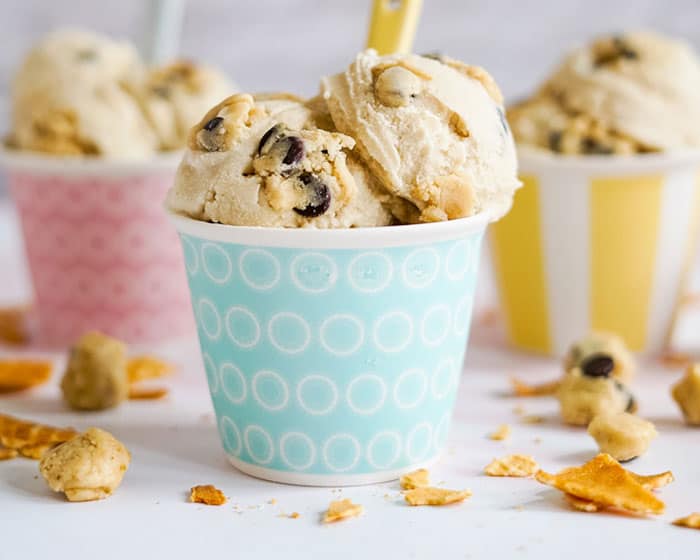
In recent years, vegan ice cream has evolved from a niche dessert for plant-based eaters into a mainstream favorite that tempts even the most devoted dairy lovers. But the question remains: can vegan ice cream really match the creamy, rich, and indulgent experience of traditional dairy-based ice cream? The answer often lies in the ingredients—specifically, the plant-based bases that give vegan ice cream its texture, flavor, and mouthfeel. From coconut to cashew, almond to oat, each base offers unique qualities that shape the final scoop. This exploration dives deep into the world of plant-based ingredients to uncover which ones come closest to replicating the beloved qualities of classic ice cream—and why they work so well. Get mobile auto detailing in Carlsbad, CA, after trying vegan ice cream.
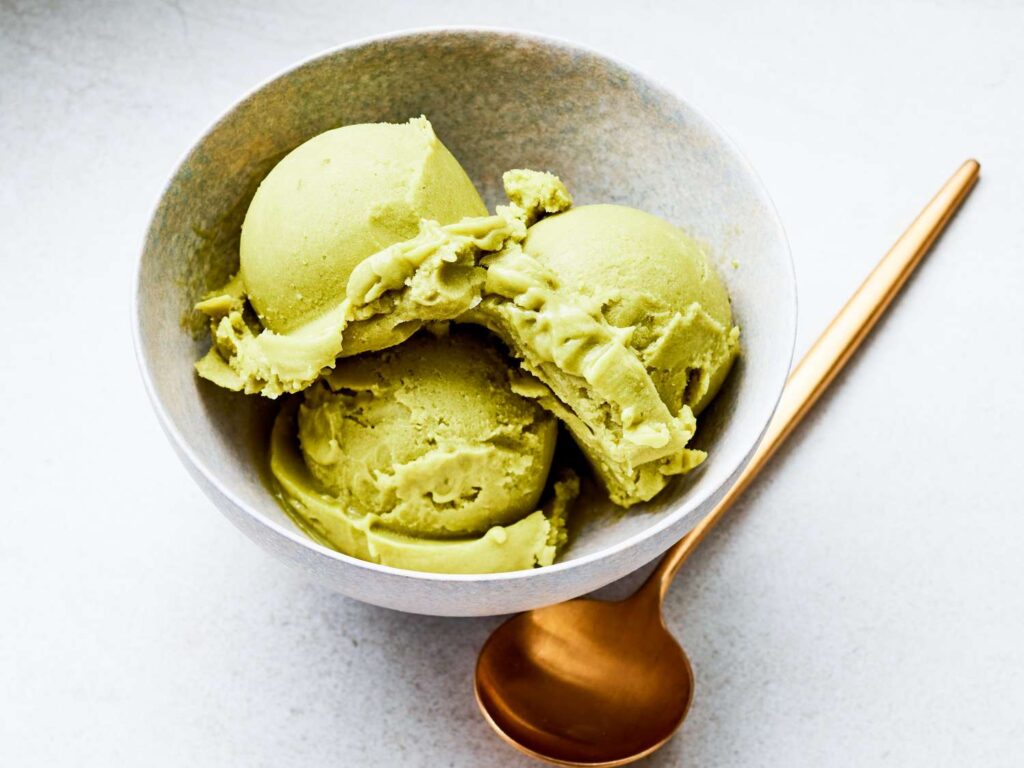
The Role of Fat and Creaminess in Ice Cream
Before delving into specific plant-based ingredients, it’s essential to understand what makes ice cream truly satisfying. At its core, ice cream is a delicate balance of fat, sugar, air, and water, churned to create a smooth, creamy texture that melts luxuriously on the tongue. Dairy ice cream owes much of its creaminess to milk fat, which coats the palate and delivers that rich mouthfeel. So, when crafting vegan ice cream, replicating this creamy richness is paramount.
Plant fats behave differently than dairy fats, which means the choice of plant base dramatically affects texture and flavor. A vegan ice cream’s success depends on the fat content, the type of fat, and how well the ingredient emulsifies and holds water without crystallizing.
Coconut: The Creamy Pioneer
Coconut milk has long been the trailblazer in vegan ice cream. Its naturally high-fat content and rich, velvety texture make it a powerful stand-in for dairy cream. The saturated fats in coconut milk create a smooth, creamy mouthfeel that closely mimics traditional ice cream.
One reason coconut milk stands out is its ability to blend well with other ingredients and freeze without turning grainy. The tropical undertones of coconut also add a subtle sweetness and flavor complexity that many find appealing. This natural richness means many coconut-based vegan ice creams don’t require excessive additives to improve texture. Those looking for unique souvenirs will also find a variety of stylish patriotic hoodies for men.
However, the distinct coconut flavor can be a double-edged sword. While it complements many tropical or fruity flavors beautifully, it may overpower more delicate or classic ice cream flavors like vanilla or chocolate for some palates. For those who enjoy a hint of coconut, this is a delightful bonus, but for purists seeking a neutral base, it can be a dealbreaker. This contrast in preferences is much like choosing between modern minimalist entryways and the bold, timeless presence offered by wrought iron double doors.
Cashew: The Subtle Creaminess Artist
Enter the cashew—a less obvious but increasingly popular choice for vegan ice cream makers. Cashews have a mild, slightly sweet taste and a naturally creamy texture when blended. The beauty of cashew-based ice cream lies in its subtlety. It provides a neutral canvas that allows other flavors to shine without being overshadowed.
Cashews are packed with healthy monounsaturated fats that contribute to creaminess but don’t create the same heavy mouthfeel as coconut. When soaked and blended, cashews emulsify beautifully, lending a smooth consistency that feels indulgent yet light.
Another advantage of cashew ice cream is its versatility. The mild flavor pairs effortlessly with chocolate, coffee, fruit, and nuts, making it a favorite base for gourmet and artisan vegan ice creams. The downside, however, is that cashew bases often require more preparation time—soaking nuts overnight—and sometimes the addition of stabilizers or oils to achieve the perfect freeze and scoopability.
Almond: A Delicate Balance
Almond milk and almond paste have also carved a niche in vegan ice cream production. Almonds offer a light nutty flavor that is distinct but not overpowering. The fat content in almonds is moderate, which means almond-based ice creams tend to be lighter than coconut or cashew versions but can sometimes fall short in delivering that luxurious creaminess.
Because almond milk is thinner and lower in fat than coconut or cashew milk, manufacturers often need to blend it with other plant fats or thickeners to prevent ice crystals and maintain smoothness. This can result in a cleaner taste but occasionally a less indulgent texture.
Nonetheless, almond-based ice cream appeals to those looking for a less rich but still satisfying alternative. Its slightly toasted flavor adds a pleasant complexity to traditional flavors like vanilla or chocolate, and it works especially well in combination with other ingredients like dates, cinnamon, or berries. This versatility makes it just as adaptable as the reliable services offered by a commercial cleaning company in Geneva.

Oat: The Creamy Neutralist
Oat milk’s rise in popularity for coffee and cereals has naturally extended into vegan ice cream. Oat-based ice creams tend to have a naturally creamy consistency with a mild sweetness that pairs well with many flavors. Oats contain beta-glucans—soluble fibers that contribute to viscosity and help create a smooth texture when blended into ice cream.
Unlike coconut, oat milk offers a more neutral flavor profile, which is excellent for purists or those seeking a classic vanilla or chocolate experience without additional flavor interference. It also has a naturally sweet undertone that reduces the need for added sugars, making oat-based ice creams a hit among health-conscious consumers. This balanced appeal mirrors the dependable convenience people look for when they choose to rent a limo in Denver.
However, oat milk’s fat content is lower compared to coconut and cashew, so some oat-based ice creams use added plant oils or thickeners to boost creaminess. The texture can be very close to dairy ice cream but sometimes less dense, giving it a lighter mouthfeel.
Soy: The Classic Workhorse
Soy milk is one of the earliest plant-based milk alternatives and has been a go-to base for vegan ice creams for decades. Soy has a relatively high protein content, which helps in stabilizing the texture and preventing ice crystal formation. This protein content also contributes to the creamy mouthfeel of soy-based ice creams.
The flavor of soy is slightly bean-like but generally neutral enough to be masked by other ingredients. Advances in soy milk processing have greatly improved its taste and texture, making modern soy-based vegan ice creams quite palatable and creamy.
Despite its advantages, soy has declined slightly in popularity compared to newer bases like oat and cashew, partly due to allergy concerns and consumer preference for more “natural” or minimally processed options. Still, it remains a solid choice for those who want a balance of creaminess and protein without strong flavor interference.
Pea Protein: The New Kid on the Block
Pea protein has recently emerged as an innovative base in vegan ice cream formulations. Extracted from yellow peas, this ingredient is prized for its neutral flavor and high protein content. The protein helps improve texture, creating a thick and creamy mouthfeel while reducing iciness.
Pea protein’s sustainability credentials—requiring less water and land than nuts—make it an attractive choice for eco-conscious brands. It also boasts a relatively clean flavor profile, which means it does not compete with other flavors in the ice cream.
That said, pea protein-based ice creams are still relatively new, and their textures vary widely across brands. Some consumers report a slight earthy or “green” note, but this is often masked by bold flavors like chocolate, coffee, or fruit.
Blending Ingredients: The Art of Balance
Many artisanal and commercial vegan ice cream brands don’t rely on just one plant base. Instead, they blend multiple ingredients to achieve an ideal combination of creaminess, flavor neutrality, and scoopability. For example, blending coconut milk’s fat richness with oat milk’s mild flavor and pea protein’s textural benefits can create a product that closely mimics traditional ice cream.
This approach allows manufacturers to mitigate the downsides of each ingredient while maximizing their strengths. The coconut adds luxurious mouthfeel, oat brings subtle sweetness and viscosity, and pea protein stabilizes and boosts creaminess.
The use of small amounts of plant oils, such as sunflower or avocado oil, can further enhance fat content without adding overpowering flavors. These blends require careful formulation and testing to maintain a smooth texture and pleasant flavor, but when done well, the results can be truly convincing.
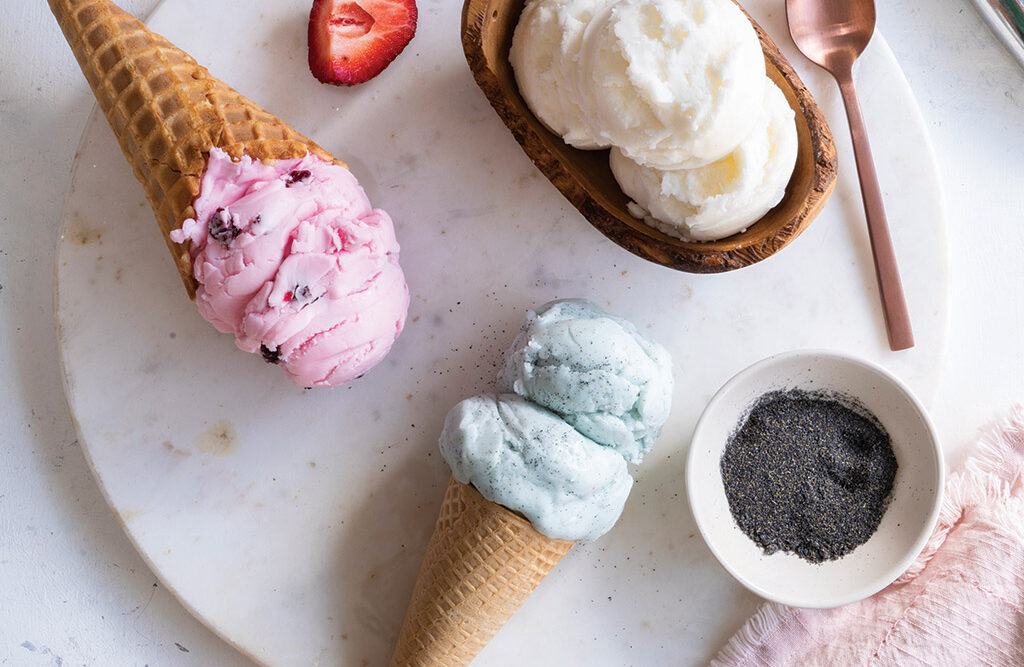
The Flavor Factor: Why Base Ingredients Matter
Ultimately, a vegan ice cream’s success depends not only on texture but also on how well the base complements various flavors. Coconut’s tropical essence elevates fruit-forward flavors like mango, pineapple, or passion fruit. Cashew’s subtle nuttiness pairs beautifully with rich flavors like chocolate, caramel, and coffee. Almond and oat offer versatility and slight nuttiness that enhances classic flavors like vanilla and strawberry without stealing the spotlight.
Flavor balance is crucial. A base that clashes with or overwhelms the added ingredients can make even the creamiest ice cream feel off-putting. Skilled vegan ice cream makers understand how to harness the unique properties of each plant base to enhance, rather than compete with, the flavor profile.
A Scoop of the Future
Plant-based ice cream has come a long way, driven by innovation, consumer demand, and a growing awareness of environmental impact. Thanks to the variety of plant bases—from coconut to cashew and beyond—vegan ice cream no longer means compromise. Instead, it offers a delicious, compassionate, and increasingly convincing alternative to traditional ice cream.
Whether you crave the tropical richness of coconut or the subtle elegance of cashew, there’s a vegan ice cream out there that can satisfy your sweet tooth without sacrificing creaminess or flavor. And as technology and creativity continue to evolve, the line between plant-based and dairy ice cream will only blur further, making the future of frozen desserts deliciously inclusive for everyone.
