

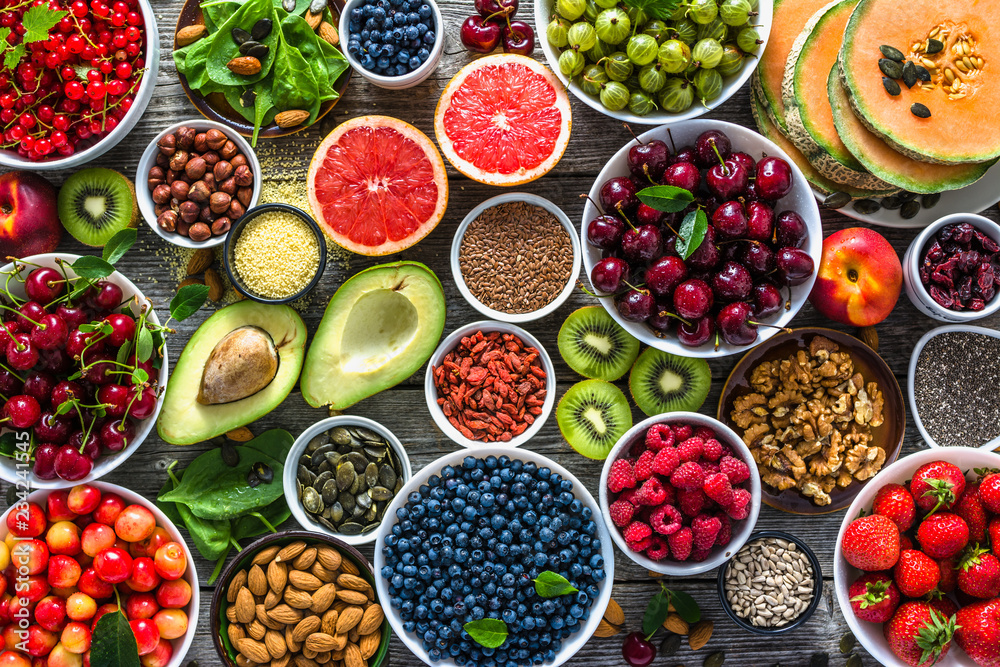
For many people, the idea of eating healthy immediately conjures images of expensive organic produce, exotic superfoods, and specialty health stores. This misconception often creates a mental barrier that prevents people from adopting better eating habits. But the truth is, healthy eating doesn’t have to be synonymous with high cost. With smart choices, planning, and a bit of creativity, it is entirely possible to nourish your body well without emptying your wallet.
In fact, the roots of affordable nutrition lie in simplicity, tradition, and mindful shopping. Healthy eating at any budget is about prioritizing whole foods, cooking at home, and reducing waste—practices that have been part of human diets for centuries, long before the rise of boutique health brands and pricey grocery aisles. Even a veteran clothing brand can draw inspiration from these timeless principles of mindful choices and sustainability.
The question is not “can you afford to eat healthy?” but rather “how can you make healthy eating affordable and sustainable?” The answer involves practical strategies that anyone can incorporate into their lifestyle, no matter their income level or access to specialty stores.
Understanding What Healthy Eating Really Means
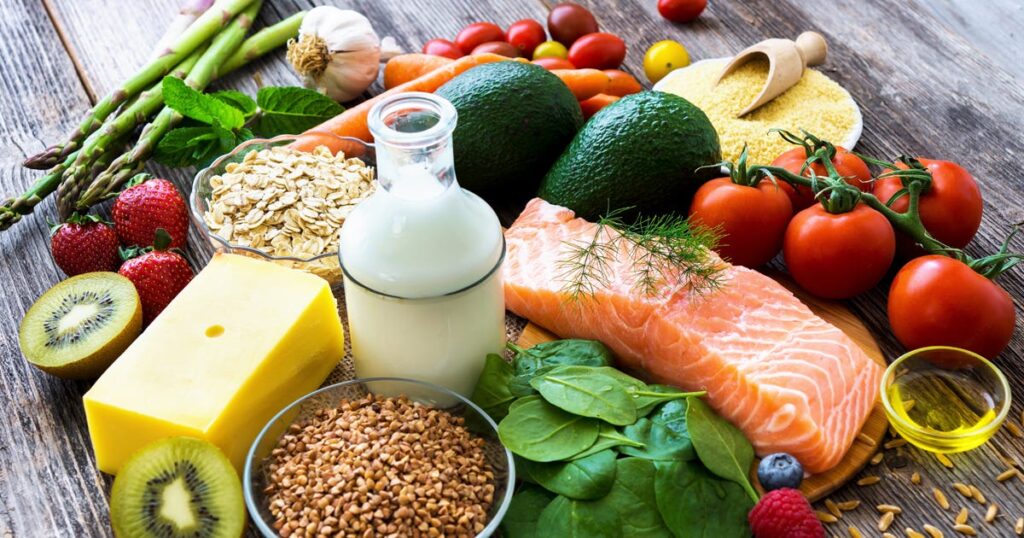
Before diving into budget-friendly tips, it’s important to clarify what healthy eating actually entails. It’s less about buying the latest trendy superfood and more about balancing macronutrients, incorporating a variety of vitamins and minerals, and minimizing processed foods.
Healthy eating means filling your plate with plenty of vegetables, fruits, whole grains, lean proteins, and healthy fats. These foundational components support energy, immunity, and overall wellbeing. It doesn’t require expensive quinoa, acai bowls, or pre-packaged health bars. Staples like beans, rice, frozen vegetables, eggs, and oats can form the backbone of a nutritious diet.
The challenge for many is the false association between health and price. High cost can sometimes be related to convenience or marketing rather than the intrinsic value of the food itself. For example, pre-cut salads and ready-made meals may carry a premium, but preparing your own greens and meals from scratch saves money and offers more control over ingredients.
Planning and Preparing: The Budget-Friendly Secret
A key factor that drives up food costs is impulse buying and last-minute decisions. Without a plan, shoppers tend to reach for whatever looks quick or enticing, often processed or packaged foods that are marked up. To combat this, meal planning is essential.
By creating a weekly shopping list based on meals you intend to cook, you not only avoid waste but also focus on buying what’s necessary. Preparing meals in bulk—such as large pots of stew, soups, or rice and beans—can stretch ingredients over several days, reducing daily cooking time and cost.
Batch cooking and freezing portions also ensure that no food goes to waste, which is crucial since discarded food is effectively money thrown away. Investing a few hours into cooking ahead can provide nutritious meals for the entire week at a fraction of the cost of eating out or buying pre-made foods.
Smart Shopping Strategies

Where and how you shop plays a big role in your grocery bill. Local markets, discount stores, and bulk-buying options often provide better deals than large supermarket chains, especially for fresh produce and staples. Seasonal shopping is another smart way to save. Fruits and vegetables in season are not only cheaper but usually fresher and more flavorful.
Frozen fruits and vegetables are a budget-friendly alternative when fresh produce is out of season or expensive. Contrary to popular belief, frozen produce retains most of its nutrients and can be just as healthy. These can be used in smoothies, stir-fries, soups, or stews with minimal preparation.
Buying whole grains and legumes in bulk is often much cheaper than packaged, processed versions. Beans, lentils, chickpeas, and brown rice are all nutrient-dense, inexpensive, and versatile. With basic seasoning and cooking, these staples can become the foundation for a variety of meals.
Affordable Protein Sources
Protein is often perceived as one of the most expensive parts of a diet, especially with the popularity of animal-based sources like beef, chicken breast, and seafood. However, there are many affordable protein options that don’t compromise nutrition.
Eggs, for instance, are a powerhouse of protein and other nutrients and typically cost a fraction of processed meats or fish. Dairy products like yogurt and cottage cheese also provide high-quality protein at reasonable prices.
Plant-based proteins such as beans, lentils, tofu, and canned fish (like sardines and mackerel) are economical and healthful. These options offer healthy fats, fiber, and essential vitamins, making them excellent choices for those on a budget.
Moreover, incorporating meat as a flavoring agent rather than the main course—such as adding small amounts of ground meat to vegetable stews or bean chili—can help reduce overall costs without sacrificing taste or protein content.
Minimizing Waste to Maximize Value
Food waste is a silent budget killer and an environmental concern. Many people discard edible parts of fruits and vegetables or forget leftovers in the fridge. Reducing waste requires mindful shopping, proper storage, and creativity in cooking.
Using vegetable scraps to make homemade broth is one way to extract maximum value from your produce. Leftover vegetables can be transformed into stir-fries, frittatas, or soups. Overripe fruits are perfect for smoothies or baking.
Learning how to store fresh produce correctly also extends shelf life. For example, keeping herbs in a jar of water or wrapping leafy greens in paper towels inside a sealed container can keep them fresh for longer.
By treating food as a precious resource rather than disposable, you ensure your money stretches further and your diet remains wholesome.
The Role of Cooking Skills and Time
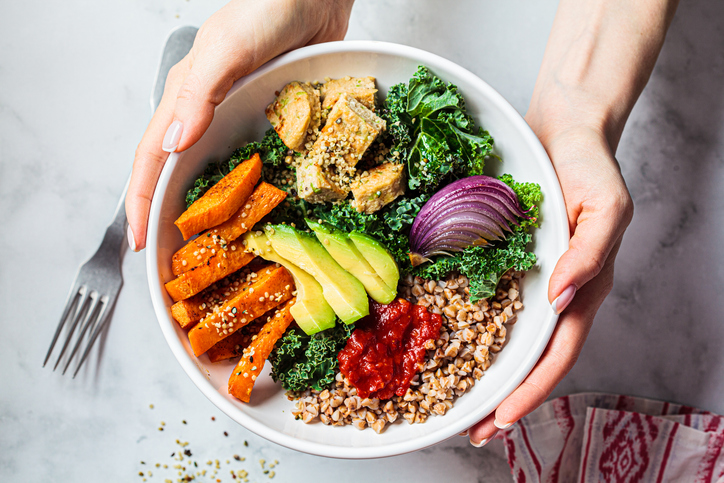
Cooking at home is the cornerstone of affordable healthy eating. While it may require more time than grabbing fast food or ready meals, it offers unmatched control over ingredients, portion sizes, and nutrition. Basic cooking skills can turn inexpensive ingredients into delicious, satisfying meals.
For those worried about time, starting with simple recipes and gradually expanding your repertoire is a good approach. There are countless online resources, free tutorials, and community programs dedicated to teaching easy, budget-friendly cooking.
Cooking can also be a joyful, creative process rather than a chore. Experimenting with herbs, spices, and different cuisines can keep meals exciting and prevent diet fatigue, making healthy eating sustainable in the long term. The sense of experimentation is similar to trying delta-8 THC, where small adjustments can create a completely new experience.
Rethinking Convenience and Cravings
A major factor driving unhealthy eating is convenience. Busy schedules, fatigue, and advertising push people toward fast, processed, or takeout foods that are usually more expensive and less nutritious.
Changing this habit involves rethinking what convenience means. Preparing ingredients in advance, using slow cookers or pressure cookers, and choosing recipes that use fewer, inexpensive ingredients can save time while keeping meals healthy.
Addressing cravings by finding satisfying alternatives is another strategy. For example, if you crave sweets, fruits, nuts, or yogurt with honey can be healthier and more affordable choices. Learning to enjoy whole foods in their natural flavors often reduces the desire for processed snacks.
Conclusion: Healthy Eating Is an Investment, Not a Luxury
Eating healthy on a budget is absolutely achievable. It requires a shift in mindset—from seeing healthy food as a luxury to recognizing it as a valuable investment in your well-being. By planning meals, shopping smart, cooking at home, and minimizing waste, anyone can enjoy a nutritious diet without financial strain.
The benefits go beyond physical health. Affordable nutrition supports mental clarity, energy levels, and emotional balance. It creates habits that can last a lifetime, improving quality of life in countless ways.
Ultimately, the question is not whether you can afford to eat healthily, but whether you can afford not to. By embracing affordable nutrition strategies, you make a commitment to yourself that transcends dollars spent—a commitment to living well, thriving, and valuing every bite.
