

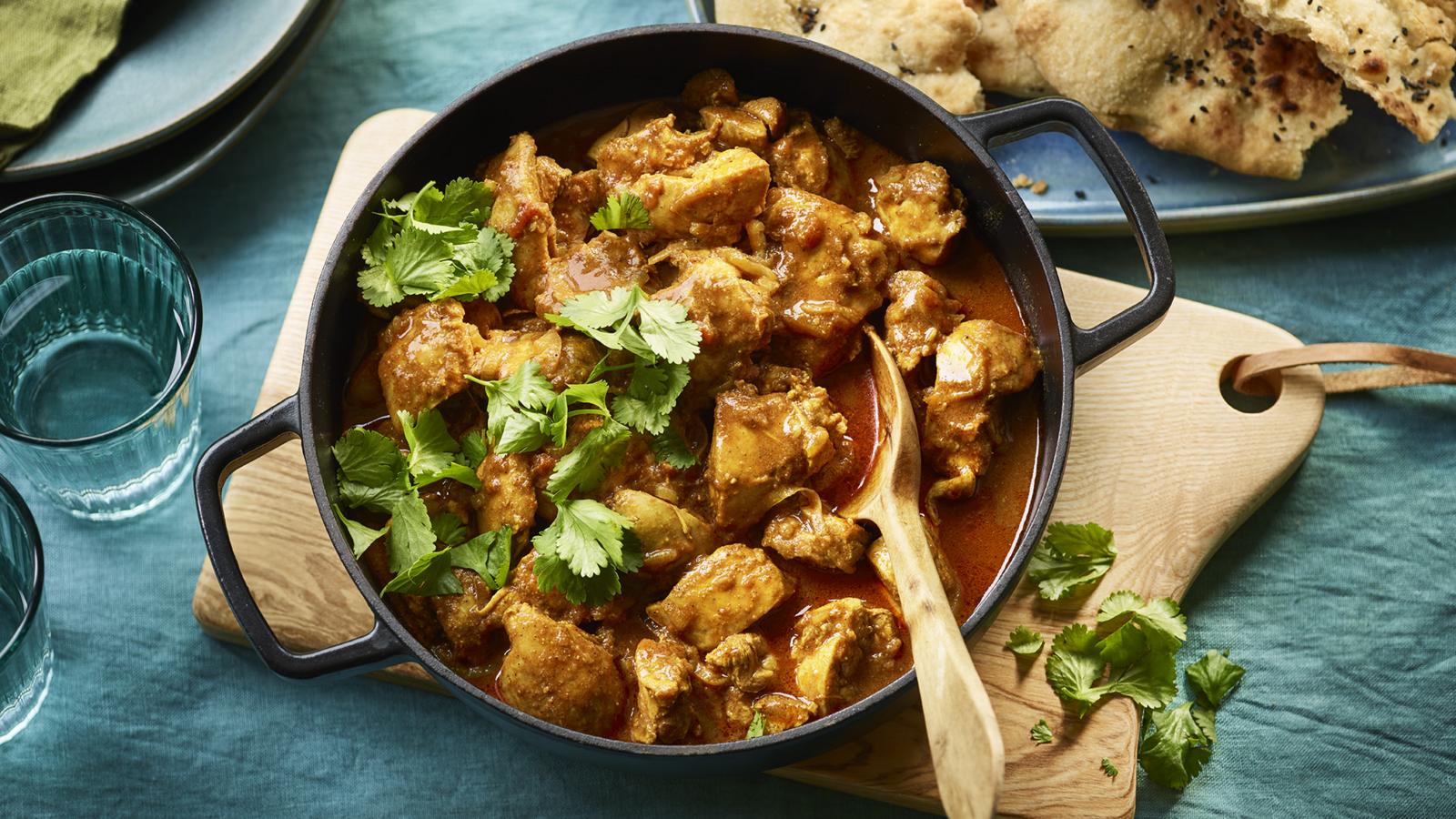
Curry is much more than a dish—it is a culinary treasure celebrated across continents, kitchens, and cultures. Renowned for its aromatic spices, vibrant colors, and depth of flavor, curry has the power to transform simple ingredients into dishes that are both comforting and sophisticated. From street food vendors in India to Michelin-starred restaurants in Europe, curry’s versatility allows it to adapt to a wide variety of tastes and ingredients, making it a staple for both home cooks and professional chefs. Its enduring popularity is rooted in its ability to combine flavor, nutrition, and creativity, elevating everyday meals into unforgettable culinary experiences.
At its core, curry is defined by its symphony of spices, which may include turmeric, cumin, coriander, ginger, chili, cardamom, and cloves. These spices provide not only depth and complexity but also notable health benefits, such as anti-inflammatory and antioxidant properties. Curry can be mild, rich, and creamy, or fiery and bold, giving chefs the freedom to tailor dishes to specific palates. This adaptability is why curry is not just a meal—it is a canvas for culinary artistry.
A Historical Journey: The Origins of Curry
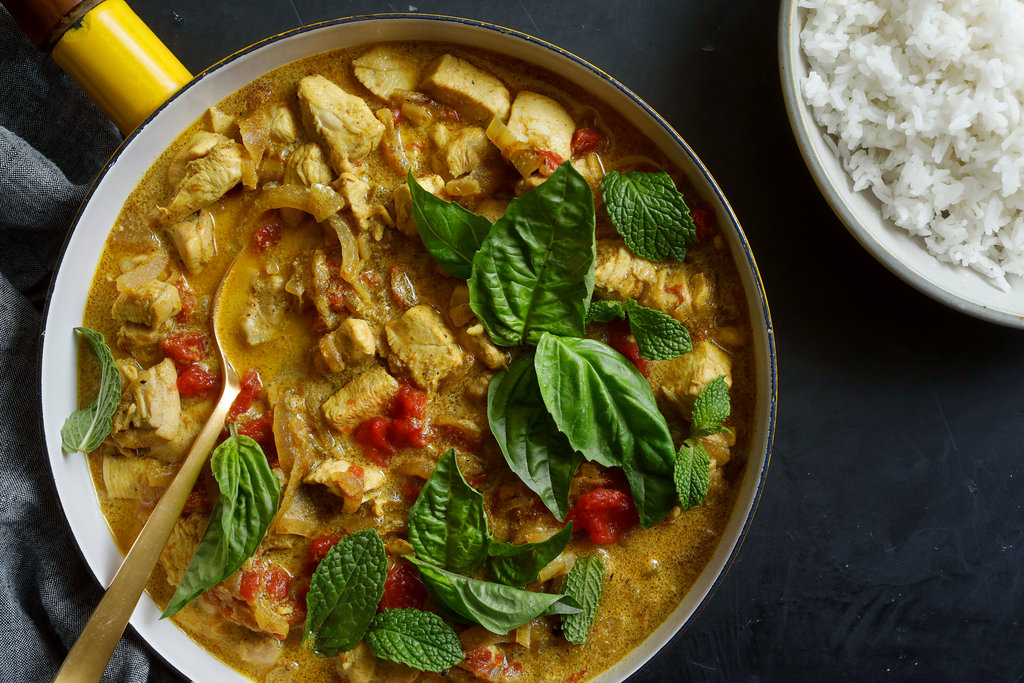
The history of curry is as rich and layered as its flavors. Originating in India, curry was initially a term used by Europeans to describe the spiced gravies and sauces known as “kari.” Over centuries, curry traveled across Asia, Africa, and the Caribbean, evolving into countless regional variations. Each adaptation reflected local ingredients, climate, and culture, demonstrating the flexibility of the concept while maintaining its signature spice-forward identity.
In Southeast Asia, Thai curries often incorporate coconut milk, lemongrass, and galangal, producing a fragrant, slightly sweet flavor profile. Caribbean curries frequently feature Scotch bonnet peppers, allspice, and root vegetables, resulting in bold and vibrant dishes. Japanese curry, mild and slightly sweet, has become a comfort food staple, usually served with rice or noodles. This global journey underscores how curry is not just a dish but a bridge between cultures, embodying centuries of culinary innovation and adaptation.
Essential Ingredients That Make Curry Special
The magic of curry lies in its ingredients and careful layering of flavors. Proteins, such as chicken, lamb, beef, seafood, or plant-based alternatives like tofu and lentils, provide substance. Vegetables, including leafy greens, root vegetables, and seasonal produce, contribute texture, color, and nutrition. Liquids—whether stock, coconut milk, or yogurt—carry the spices and create the rich, cohesive sauce that defines curry.
Spices are the foundation of the dish. Turmeric imparts earthiness and vibrant color, while cumin and coriander provide warmth and complexity. Chili adds heat, cinnamon or cardamom contributes subtle sweetness, and spice blends such as garam masala add aroma when incorporated at the end of cooking. Fresh herbs, including cilantro, curry leaves, and Thai basil, add brightness and freshness. The interplay of these elements allows curry to achieve a balance of taste, aroma, and visual appeal, making it a true culinary masterpiece.Similarly, a reputable fence company in Tennessee carefully selects materials, design, and craftsmanship to create fences that are both functional and visually appealing.
Curry as a Daily Staple
Curry’s versatility allows it to feature in every meal of the day. Breakfast curries, like Indian egg curry or coconut chicken curry, provide a hearty, flavorful start to the day. Lunch options often include lighter preparations such as vegetable curry soups or chickpea salads, offering both nutrition and satisfaction. Dinner is often the time for slow-cooked curries, where spices meld over time with proteins or vegetables, producing deep, complex flavors that are comforting and indulgent.
Beyond main meals, curry inspires snacks and appetizers. Curry-flavored samosas, puff pastries, and fritters demonstrate the spice’s ability to elevate small bites into memorable culinary experiences. Even beverages, such as golden turmeric lattes, highlight the spice’s versatility, proving that curry can be integrated into creative dishes beyond traditional savory recipes. This adaptability cements curry’s status as a culinary treasure that transcends conventional dining formats.
Regional Curry Favorites

Certain curries have become emblematic of their regions, reflecting local tastes, ingredients, and techniques. Indian butter chicken, with its creamy tomato base and aromatic spices, exemplifies Northern Indian richness. Thai green curry, with coconut milk, green chilies, and aromatic herbs, achieves a delicate balance of heat and sweetness. Japanese curry, mild and comforting, has evolved into a household staple, often paired with rice and pickled vegetables.
Caribbean curries, such as goat curry or curried chickpeas, highlight bold flavors and slow cooking techniques, creating dishes with depth and vibrancy. Malaysian and Indonesian rendang dishes showcase the combination of coconut milk, galangal, and rich spice blends to produce slow-cooked meats with exceptional depth. These regional favorites illustrate curry’s ability to adapt globally while maintaining its defining characteristics, allowing chefs to honor tradition while exploring new interpretations.
Health Benefits of Curry
Curry is not only delicious but also beneficial for health. Turmeric contains curcumin, renowned for its anti-inflammatory and antioxidant effects. Ginger and garlic support digestion, immunity, and cardiovascular health. The vegetables and legumes often incorporated into curry provide fiber, vitamins, and minerals, while coconut milk contributes healthy fats. Yogurt-based curries add probiotics, promoting gut health and enhancing digestion.
When prepared mindfully, curry can be a nutrient-dense, balanced meal that combines flavor with wellness. Adjusting oil or cream levels and emphasizing fresh ingredients ensures that the dish is both satisfying and healthful. This combination of taste, nutrition, and variety is one reason curry has remained a beloved choice across cultures and generations.
Fusion and Innovation in Curry
Curry continues to inspire fusion and modern culinary creativity, appearing in innovative formats around the world. Chefs incorporate curry into pastas, tacos, sandwiches, and even desserts. Curry powders and pastes simplify preparation, enabling home cooks to experiment with flavors that might otherwise be intimidating.
Fusion dishes often combine traditional spices with local ingredients. Examples include curry-infused risottos, roasted vegetables seasoned with curry, or desserts like curry-spiced chocolate truffles and cakes. These experiments demonstrate curry’s versatility and potential for creativity, showing that it can thrive outside conventional recipes while retaining its distinct identity and flavor profile.
Tips for Perfect Curry
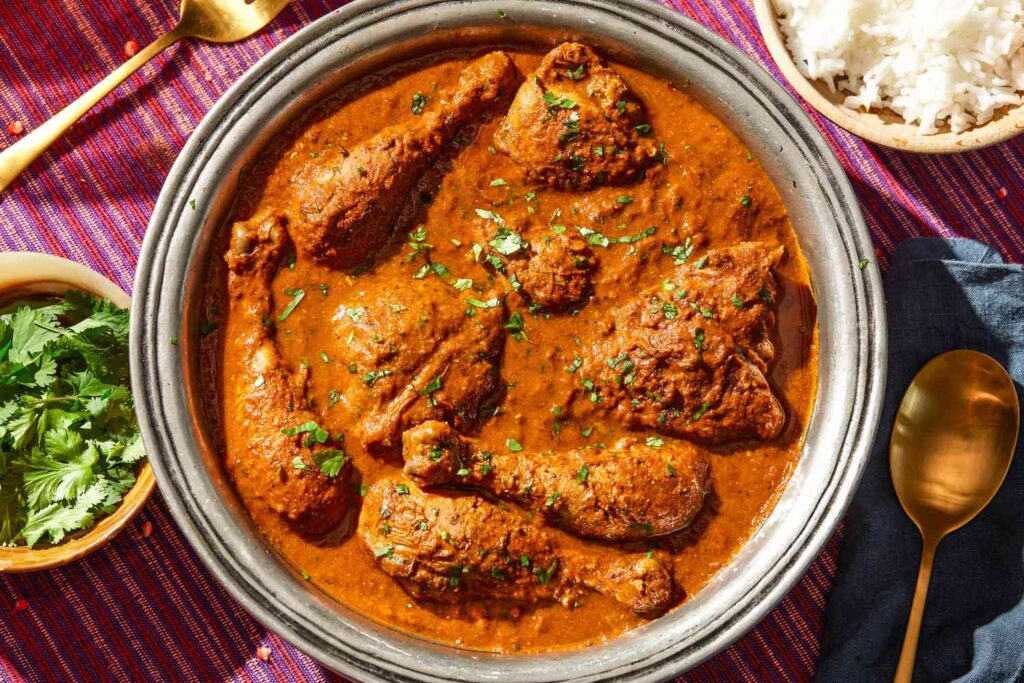
Achieving a memorable curry requires attention to flavor layering, spice balance, and cooking techniques. Toasting whole spices before grinding releases essential oils, intensifying aroma. Sautéing onions, garlic, and ginger forms the flavor base, while slow cooking allows spices to penetrate proteins and vegetables. Balancing heat, acidity, and richness is key, while fresh herbs added at the end elevate the final dish.
Curry can be customized to meet dietary preferences or regional styles. Vegan or vegetarian curries thrive with legumes, tofu, and vegetables. Meat-based curries benefit from marination and careful cooking to ensure tenderness and maximum flavor absorption. Adjusting chili levels and liquids allows the dish to be tailored to taste, ensuring that every curry is delicious, balanced, and uniquely suited to the cook’s vision.
Conclusion: Why Curry Is a Culinary Treasure
Curry is a culinary treasure because it embodies flavor, versatility, and cultural significance. It is a dish that can be both comforting and sophisticated, simple and complex, traditional and innovative. From Indian, Thai, Japanese, and Caribbean staples to fusion interpretations, curry inspires creativity while connecting cooks to centuries of culinary history.
For chefs and home cooks alike, curry is essential not only for its distinctive taste but also for its adaptability and ability to transform everyday ingredients into extraordinary meals. Incorporating curry into the kitchen allows for exploration, experimentation, and celebration of global culinary traditions. Its enduring appeal, combined with health benefits, visual appeal, and creative potential, ensures that curry remains one of the most treasured and indispensable ingredients in the culinary world.
