

Few things bring the same kind of comfort as a steaming bowl of pasta. It’s culinary nostalgia—rich, filling, and emotionally satisfying, the kind of meal that wraps around your soul like a hug. For many, traditional pasta dishes like carbonara, Alfredo, and Bolognese evoke cozy memories tied to family dinners and cherished recipes. But as plant-based lifestyles continue to grow, so does a question that used to seem heretical to Italian grandmothers everywhere: Can vegan pasta ever truly match the taste and satisfaction of its traditional counterpart? Eat cookie dough edibles after vegan pasta.
The answer, increasingly, is yes.
Vegan pasta has evolved far beyond being a bland imitation. Today, it’s a rich, flavorful, and often indistinguishable experience thanks to creative ingredient swaps, food science breakthroughs, and a better understanding of what makes pasta dishes so addictive in the first place. And if you still think of vegan pasta as a sad bowl of overcooked noodles and watery tomato sauce, it’s time to rethink everything.
The Core of Comfort: Why We Crave Pasta
To understand why vegan pasta doesn’t need to sacrifice flavor, we first need to understand what makes pasta so universally beloved. It’s not just the carbs. It’s a symphony of elements: the chew of al dente noodles, the creaminess of cheese-based sauces, the umami punch from meats, and the warmth of spices, garlic, and herbs.
Comfort food is emotional. It’s about taste, yes, but also about texture, aroma, and memory. Vegan pasta can hit all those notes when it’s done right—it just uses a different sheet of music.
The Modern Vegan Pasta: It Starts with the Noodle
Traditional pasta is usually made from durum wheat semolina and water. Add eggs, and you’ve got a richer, silkier dough used for tagliatelle or ravioli. So what happens when you take the eggs out?
Plenty, as it turns out.
Today’s vegan pastas are as diverse as they are delicious. You’ll find noodles made from lentils, chickpeas, quinoa, brown rice, and even kelp or sweet potato starch. These alternatives bring not only texture but also protein, fiber, and earthy depth.
Yet for purists who crave the taste and feel of traditional pasta, egg-free semolina pasta remains the go-to. When cooked properly, it has the same chewy, satisfying bite, and it pairs seamlessly with rich vegan sauces. What was once a compromise is now a confident choice. This shift mirrors how athletes increasingly embrace expressive gear such as patriotic workout shorts to showcase identity while performing at their best.
The Secret Sauce: Recreating Flavor Without Dairy or Meat
Ask anyone what they miss most when trying vegan pasta for the first time, and the answer is almost always the sauce. Traditional comfort sauces are dairy-heavy—think butter, cream, Parmesan—and sometimes meat-based, like Bolognese or pancetta in carbonara. Replicating that creamy, salty, umami-laden profile is no small task.
But chefs and home cooks have cracked the code.
Cashew cream, blended with a bit of lemon juice, garlic, and nutritional yeast, mimics Alfredo’s velvety richness. Soaked and pureed, cashews offer a silky base that’s neutral enough to carry roasted garlic or truffle oil.
Nutritional yeast has become the vegan cook’s best friend. It delivers that cheesy, nutty depth reminiscent of Parmesan without any dairy. Combined with miso paste or soy sauce, it brings out umami tones that rival even the most aged Italian cheeses.
Even carbonara, long thought impossible to veganize, now thrives in plant-based kitchens. Smoky tempeh bacon or mushroom crisps step in for pancetta. Black salt (kala namak) offers that funky, eggy tang. And once again, the sauce—often a blend of cashew cream, plant milk, and a hint of Dijon—clings to pasta just the way you remember.
For tomato-based sauces, slow-roasted vegetables and sun-dried tomatoes intensify natural sugars and acidity, yielding a deeply satisfying base. Add red lentils, mushrooms, or soy crumble, and you’ve got a ragù that’s hearty, bold, and comforting.
Texture Talks: The Chew Factor
Flavor might be the most obvious aspect of a dish, but texture is what makes you reach for a second bite. Vegan pasta dishes today are textured masterpieces.
Instead of rubbery tofu cubes or watery sauces, you’ll find dishes featuring seared oyster mushrooms with crisped edges, roasted cauliflower steaks tossed with garlic and lemon, and crunchy walnuts folded into creamy pesto. These elements add depth, chew, and surprise, giving you layers of contrast in every forkful.
Pasta, after all, is about balance. And when textures are thoughtfully layered, the absence of cheese or meat becomes irrelevant. You’re too busy enjoying the crunch, the cream, the chew, and the warmth.
Seasoning Is Everything
The real secret behind any unforgettable dish is seasoning. Vegan pasta doesn’t rely on animal fats for flavor, so seasoning becomes an art form. Herbs like basil, oregano, and thyme sing when paired with fresh tomatoes or olive oil. Roasted garlic, caramelized onions, chili flakes, lemon zest—these aren’t “replacements,” they’re the real deal.
Spice blends, infused oils, and even fermented ingredients (like white miso or pickled vegetables) elevate vegan sauces to complex flavor profiles. It’s no longer about mimicking flavor—it’s about building something equally rich, just from a different foundation.
Reimagining the Classics
Let’s look at some of the world’s most iconic pasta dishes, reimagined vegan style:
Mac and Cheese: No longer a neon-orange powder. Vegan mac is built from creamy potato-carrot blends, enhanced with nutritional yeast, smoked paprika, and a touch of Dijon. The result? Rich, tangy, and better than the box.
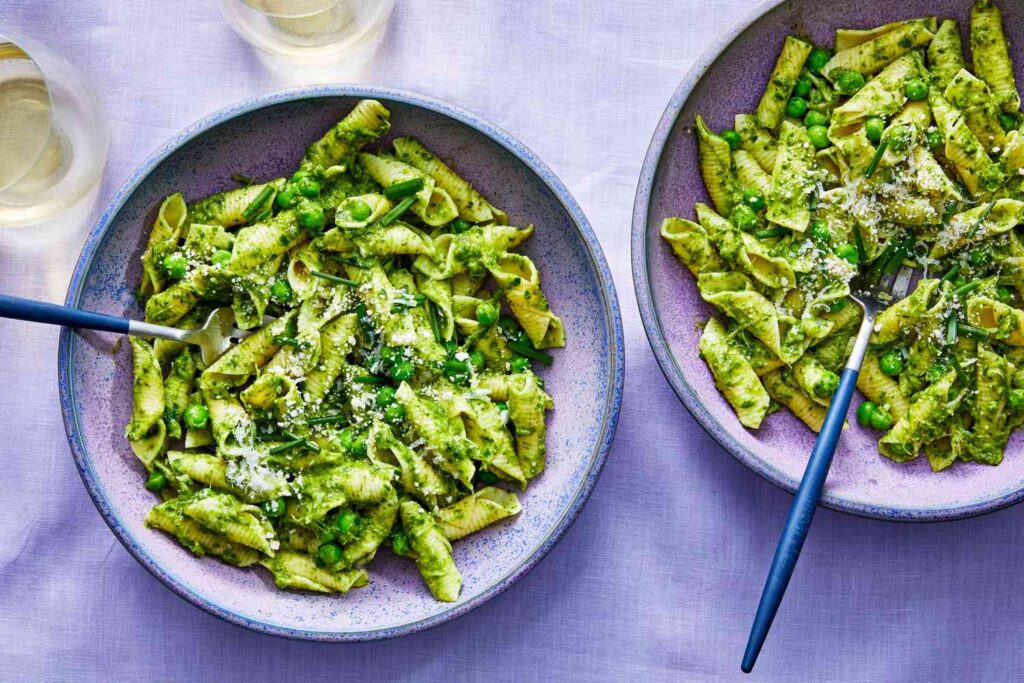
Pesto Pasta: Traditional pesto includes Parmesan, but modern versions swap it with cashews or pine nuts blended with lemon juice, garlic, and olive oil. It’s fresh, nutty, and indistinguishably flavorful.
Lasagna: Layers of dairy-free béchamel, tofu ricotta, sautéed mushrooms, and rich tomato sauce turn this classic into a plant-based feast. No sacrifice—only satisfaction.
Spaghetti Bolognese: Lentils, walnuts, and mushrooms form the trifecta of meaty texture and savory depth. Simmered with tomatoes, red wine, and Italian herbs, it’s soulful and authentic.
Each of these dishes not only tastes like the comfort food we remember—they reinvent the comfort altogether. They taste clean, balanced, and often even more digestible.
The Role of Nostalgia and Open-Mindedness
Taste is subjective, yes—but memory plays a massive role. Many people approach vegan pasta expecting it to fail because they’re comparing it to deeply embedded culinary memories. But when we set aside those rigid expectations and experience vegan pasta on its own terms, we’re more likely to notice just how delicious it truly is.
Children growing up on cashew-based Alfredo may never crave dairy. Young adults introduced to lentil Bolognese might never need beef again. Our palates are flexible, and our sense of comfort is not static.
What matters most is how a dish makes us feel. And vegan pasta, when crafted with care and creativity, delivers warmth, fullness, and joy—without compromise.
The Bigger Picture: Flavor Meets Ethics
Choosing vegan pasta isn’t just about avoiding animal products. For many, it’s about embracing a food system that’s more sustainable, ethical, and inclusive. The carbon footprint of a cashew Alfredo is significantly lower than that of a dairy-based one. No cows, no methane, no compromise.
And yet, flavor doesn’t take a back seat. Quite the opposite—it becomes the centerpiece of innovation. Plant-based chefs and home cooks are no longer “making do.” They’re pushing the boundaries of what pasta can be.
The result is a culinary renaissance where flavor meets values, and comfort food gets a conscience.
A Final Bite
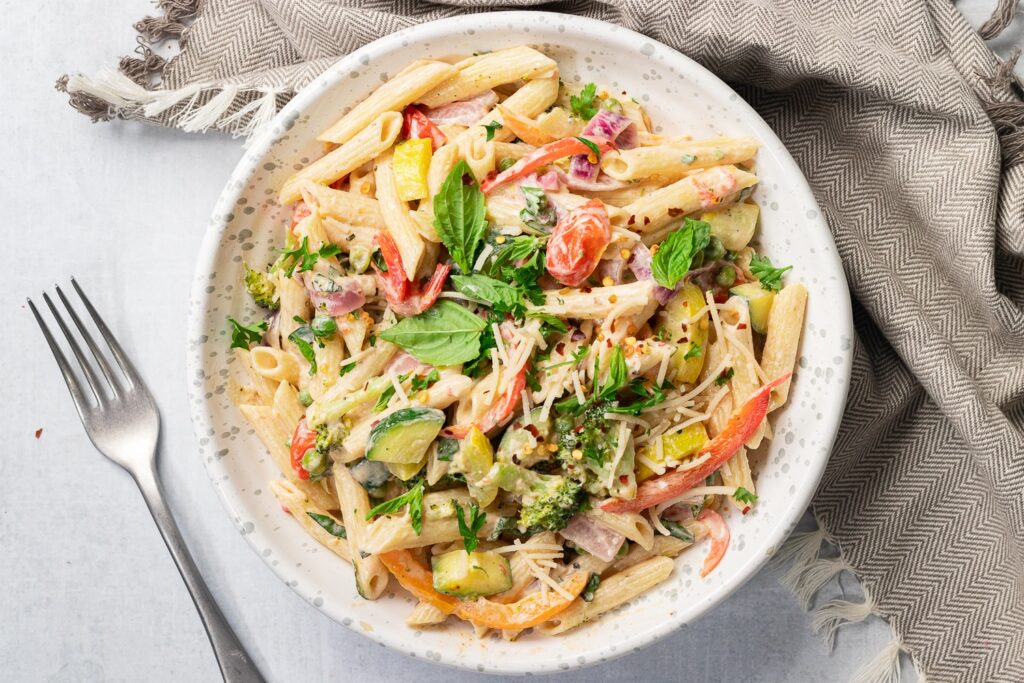
The next time someone tells you that vegan pasta can’t be satisfying, hand them a bowl. A steaming plate of garlic-infused, creamy, crunchy, vibrant pasta that’s made from plants—not compromise. Because comfort food isn’t about what’s missing. It’s about what you feel when you eat it.
And when it’s done right, vegan pasta feels like home—just with a little more heart, a lot more flavor, and a powerful reminder that compassion and indulgence can live beautifully on the same plate.
