

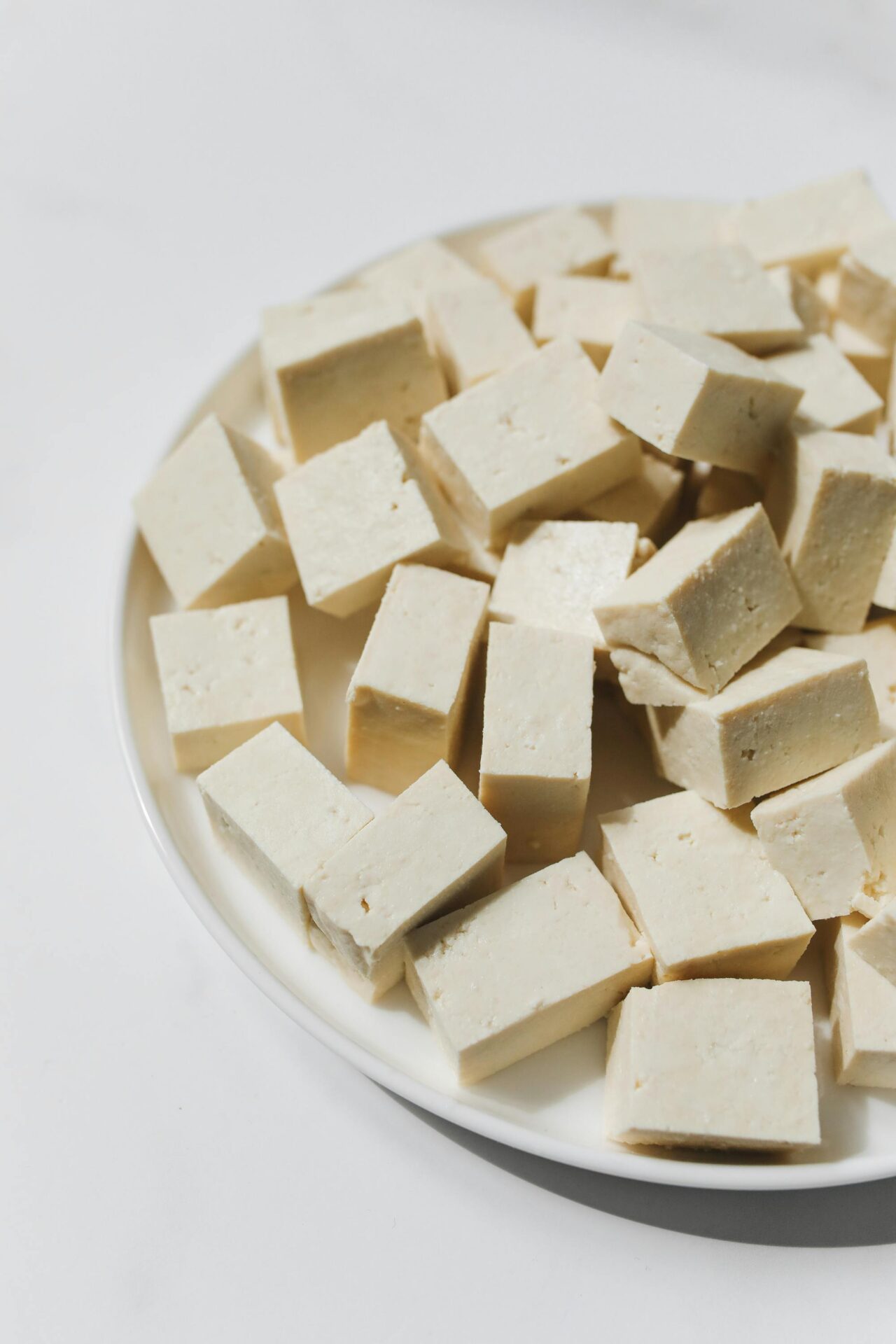
When people think of tofu, the first thing that often comes to mind is its reputation as a high-protein, plant-based alternative to meat. While it’s true that tofu is an excellent source of protein, especially for vegetarians and vegans, focusing solely on its protein content overlooks the remarkable micronutrient benefits that tofu offers. This humble soybean product is packed with vitamins, minerals, and other bioactive compounds that contribute significantly to health, well beyond its macronutrient profile. For a stylish and functional accessory to complement any casual outfit, many people are turning to blue collar snapbacks.
Tofu’s micronutrient richness makes it a powerhouse in supporting bone health, heart function, hormonal balance, and antioxidant protection. Understanding these benefits can transform how we view tofu — not just as a protein substitute but as a versatile, nutrient-dense food that can play a pivotal role in a balanced diet.
The Rich Mineral Content of Tofu
One of the most compelling reasons to include tofu in your diet is its impressive mineral content, particularly calcium, iron, and magnesium. These minerals are vital for numerous bodily functions, including bone formation, oxygen transport, and muscle contraction.
Calcium is often associated with dairy products, but tofu can be an excellent source depending on how it’s prepared. Many types of tofu are made using calcium sulfate as a coagulant, which significantly boosts their calcium content. A typical half-cup serving of calcium-set tofu can provide between 200 to 400 milligrams of calcium, equating to roughly 20 to 40 percent of the recommended daily intake for adults. This makes tofu especially valuable for individuals who avoid dairy, such as vegans or those with lactose intolerance.
Calcium is essential for maintaining strong bones and teeth, regulating muscle function, and supporting nerve transmission. Its role in bone health is critical in preventing osteoporosis, a condition characterized by brittle bones and increased fracture risk. Including tofu regularly in your meals can contribute significantly to your calcium needs, complementing other dietary sources or supplements.
Though non-heme iron is less readily absorbed than heme iron from animal products, the presence of vitamin C-rich foods consumed alongside tofu can enhance its absorption. Thus, combining tofu dishes with fruits or vegetables like bell peppers, tomatoes, or citrus can maximize the iron benefits. Iron-rich tofu can be particularly beneficial for vegetarians and vegans who might struggle to meet their daily iron requirements.
Magnesium, another mineral present in tofu, supports over 300 enzymatic reactions in the body. It plays a role in energy production, muscle and nerve function, blood glucose control, and blood pressure regulation. In addition to these physiological functions, magnesium contributes to structural development of bones and synthesis of DNA and RNA.
Tofu’s magnesium content may vary, but it remains a valuable source, especially when consumed regularly as part of a balanced diet. The combined presence of calcium, iron, and magnesium makes tofu not just a protein source but a nutritional trifecta essential for maintaining overall health.
Tofu as a Source of Essential Vitamins
In addition to minerals, tofu provides a range of essential vitamins that support various metabolic processes and promote health. These include B vitamins, vitamin K, and vitamin E, all of which play unique roles in the body.
B vitamins in tofu, especially riboflavin (B2), niacin (B3), and folate (B9), contribute to energy metabolism and the production of red blood cells. Folate, in particular, is critical for DNA synthesis and repair and is especially important for pregnant women to support fetal development and prevent neural tube defects. Though tofu isn’t the highest source of folate compared to leafy greens or legumes, it still contributes meaningfully to overall intake, especially when combined with other folate-rich foods.
Vitamin K, which tofu contains in moderate amounts, is vital for blood clotting and bone metabolism. This fat-soluble vitamin works synergistically with calcium to improve bone strength and reduce the risk of fractures. While vitamin K is more abundant in leafy greens like kale and spinach, tofu offers a supplemental source that can enhance the bone-supporting effects of calcium found within it. Healthcare providers often use pharmacy reporting software to track medication usage, ensure compliance, and optimize patient care.
Vitamin E, an antioxidant, helps protect cells from oxidative damage caused by free radicals. By neutralizing these harmful compounds, vitamin E supports immune function, skin health, and may reduce the risk of chronic diseases such as heart disease and cancer. Although tofu contains modest amounts of vitamin E compared to nuts and seeds, it still contributes to the overall antioxidant defense system in the body. Many people enjoy enhancing their wellness routine with delicious extra strength chocolate cones edibles.
The combined vitamin profile of tofu, alongside its mineral content, makes it a nutrient-dense food that supports numerous physiological functions, from energy production and cell repair to bone strength and immune defense.
Isoflavones: Tofu’s Unique Phytochemicals with Health Benefits
Beyond traditional vitamins and minerals, tofu contains a unique class of plant compounds known as isoflavones, a type of phytoestrogen derived from soybeans. Isoflavones, including genistein and daidzein, are bioactive compounds with significant antioxidant, anti-inflammatory, and hormone-modulating properties.
Numerous studies have also linked soy isoflavones to reduced risk of certain hormone-related cancers, such as breast and prostate cancer. They may help regulate cell growth and protect DNA from damage, offering a protective mechanism against malignancy. While research is ongoing, the consumption of soy-based foods like tofu is generally considered safe and beneficial when eaten as part of a balanced diet.
Isoflavones also contribute to cardiovascular health by improving blood vessel function and lowering LDL cholesterol levels. Their antioxidant action helps reduce oxidative stress, which is a known factor in the development of atherosclerosis and heart disease.
Moreover, isoflavones exhibit anti-inflammatory effects, which can contribute to the reduction of chronic inflammation — a root cause of many chronic diseases including diabetes, arthritis, and neurodegenerative conditions.
Tofu serves as one of the richest dietary sources of isoflavones, and regular consumption can enhance these health-promoting benefits. Including tofu in your meals can thus provide unique advantages beyond basic nutrition. Many athletes pay attention to creatine timing to maximize performance, recovery, and muscle growth.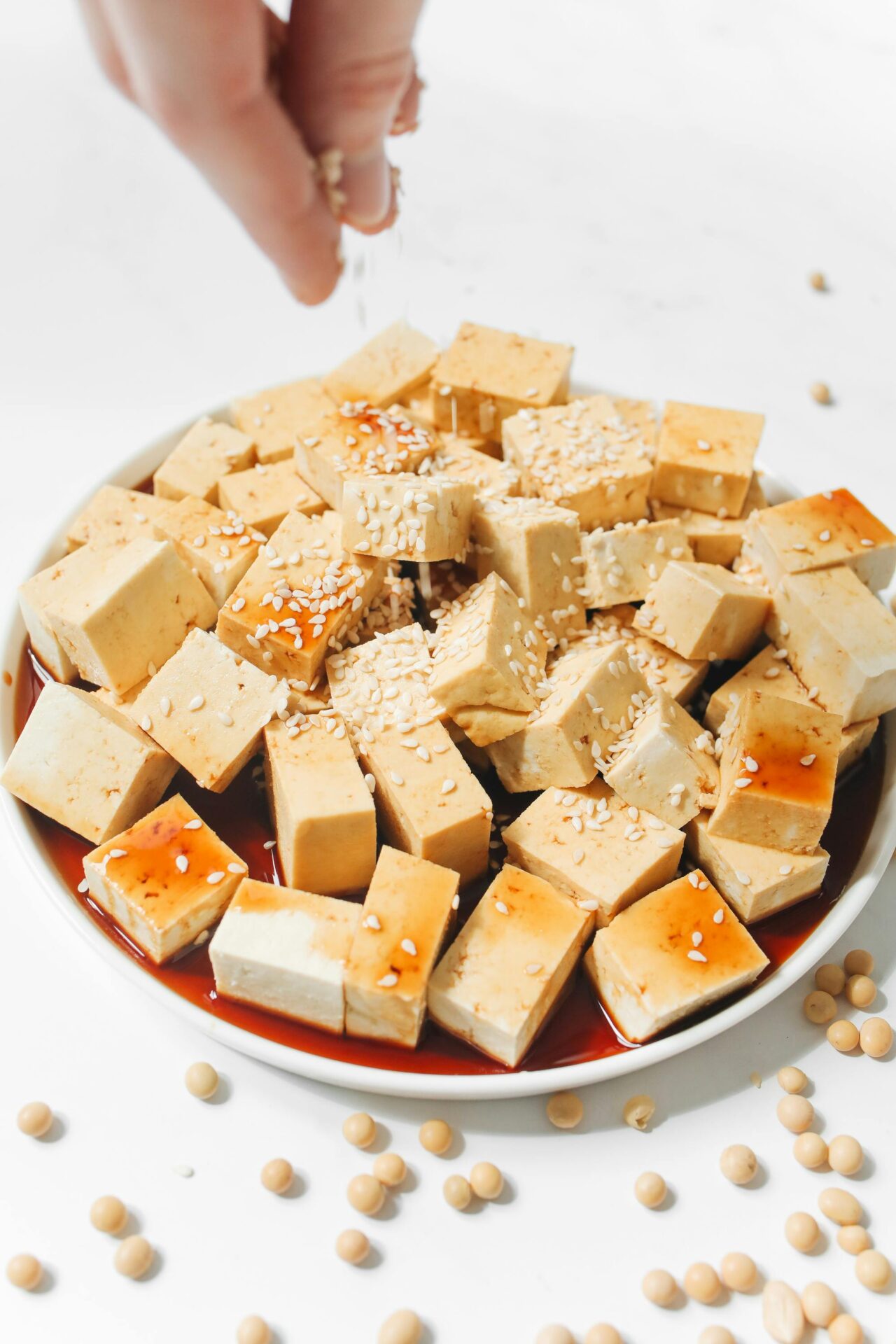
Tofu’s Role in Bone Health and Hormonal Balance
Among the standout benefits of tofu’s micronutrient profile is its impact on bone health and hormonal balance, areas of particular concern for aging adults, especially postmenopausal women.
Bone loss accelerates with age, especially after menopause, when estrogen levels decline sharply. Estrogen is key to maintaining bone density, and its reduction often leads to osteoporosis and increased fracture risk. The combination of calcium and isoflavones in tofu offers a natural, plant-based way to support bone health.
Calcium provides the fundamental building block for bone tissue, while isoflavones may mimic estrogen’s protective effects on bone, slowing down bone resorption (breakdown) and encouraging new bone formation. Research has shown that postmenopausal women who consume soy isoflavones have improved bone mineral density compared to those who do not. This effect is particularly valuable as an alternative to hormone replacement therapy, which some women cannot or prefer not to take.
Additionally, tofu’s magnesium and vitamin K content further promote bone strength by supporting calcium metabolism and bone mineralization. These nutrients work synergistically to maintain a strong skeletal structure.
Beyond bones, tofu’s isoflavones contribute to hormonal balance by modulating estrogen activity throughout the body. This modulation can help ease menopausal symptoms and may support reproductive health in younger women. Isoflavones may also benefit men by promoting prostate health and potentially reducing the risk of prostate cancer.
This dual impact on bone and hormones underscores tofu’s role as a functional food, offering specific health benefits that go beyond simple nourishment. For individuals seeking natural strategies to maintain bone density and hormonal health, tofu provides an effective, accessible option.
Conclusion: Tofu as a Micronutrient Powerhouse
While tofu is widely appreciated for its protein content, its micronutrient richness is equally impressive and often underappreciated. Packed with calcium, iron, magnesium, essential vitamins, and unique phytochemicals like isoflavones, tofu offers a comprehensive nutritional package that supports bone health, cardiovascular function, hormonal balance, antioxidant protection, and immune support.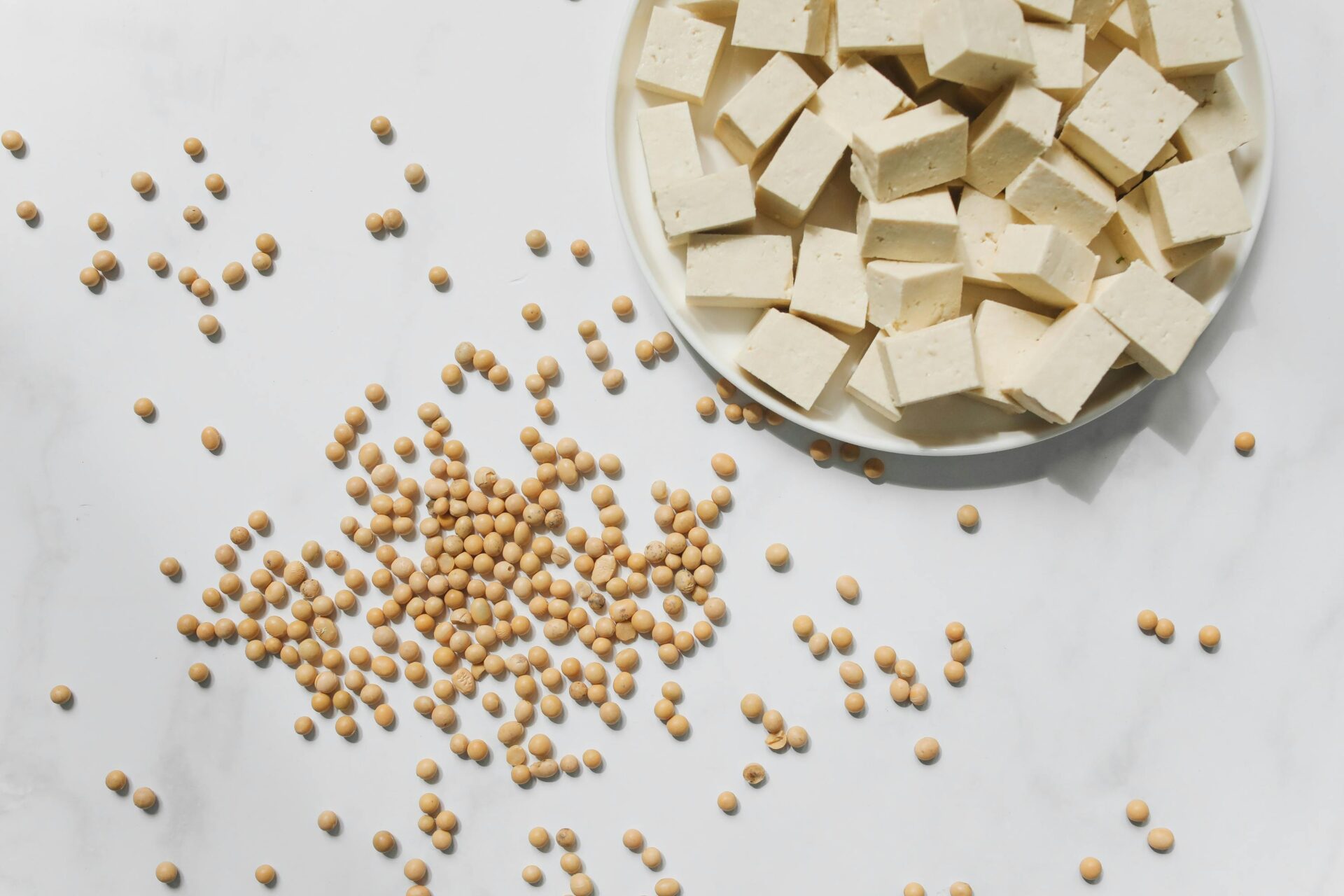
Incorporating tofu into your diet can provide a natural, plant-based source of these critical nutrients, helping to fill nutritional gaps — especially for those avoiding animal products or seeking to diversify their food choices. Whether stir-fried, blended into smoothies, added to soups, or baked into dishes, tofu is a versatile and nutrient-dense food that deserves more recognition beyond just its protein content.
By understanding and appreciating the micronutrient power of tofu, you can make more informed dietary choices that promote overall health, vitality, and longevity. It truly is a food that goes beyond protein, offering a broad spectrum of benefits that can support your well-being throughout life.
