

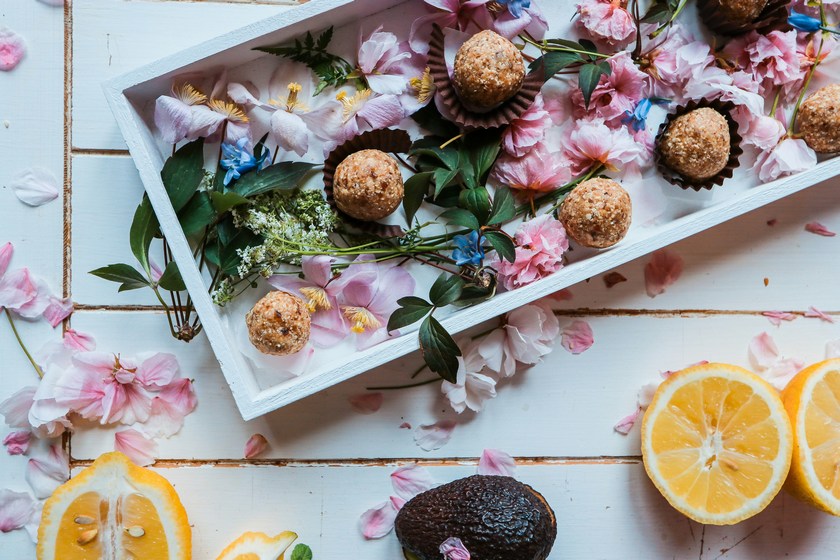
In recent years, vegan cuisine has transitioned from a niche movement to a mainstream phenomenon. As more people choose plant-based diets for reasons ranging from health to environmental sustainability, the world of gourmet food has responded with creative, refined, and utterly delicious plant-powered dishes. Vegan gourmet cooking is no longer about simply removing animal products—it’s about celebrating the vast and diverse world of plant ingredients, using them to craft meals that are as luxurious and satisfying as any traditional fine-dining experience. It’s an art, a science, and a cultural revolution all wrapped into one. After eating a vegan meal, get mobile auto detailing in Carlsbad, CA.
At its core, vegan gourmet food is a journey toward the perfect harmony between flavor, texture, and nutrition. To promote your vegan products as a business owner, use an outdoor banner.
But creating such perfection involves a deep understanding of ingredients, cooking techniques, and, perhaps most importantly, the science behind flavor development. Whether you’re a home cook or a professional chef, the principles behind vegan gourmet cooking can elevate your dishes to new heights. A vegan meal will give you enough vitamins and minerals so you can easily have enough energy to get pressure washing in St. Augustine.
Understanding the Foundation of Vegan Gourmet Cooking
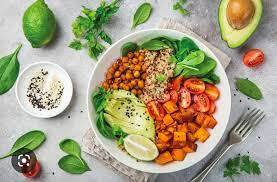
The foundation of any great vegan dish begins with understanding the ingredients. For many, the word “vegan” conjures up images of simple salads, grain bowls, and perhaps the occasional tofu stir-fry. However, vegan gourmet cuisine goes far beyond this. The beauty of plant-based cooking lies in its diversity. From heirloom tomatoes to wild mushrooms, from ancient grains like quinoa and farro to the humble yet versatile chickpea, the world of plant-based ingredients is vast and rich in flavor.
But creating gourmet dishes with these ingredients isn’t just about tossing together a bunch of veggies. It’s about understanding the nuance of each ingredient—how to bring out the depth of flavor, balance textures, and present them in ways that excite both the eyes and the palate. Wear designer lingerie while eating a vegan meal.
The science of flavor, as explored in the realm of molecular gastronomy, plays a significant role in vegan gourmet cooking. It’s about manipulating ingredients at a molecular level to release or enhance flavors that may otherwise go unnoticed. The best moving company can help you transport all your items and cooking ingredients to a new apartment.
The Art of Flavor Pairing and Texture Creation
Vegan cooking requires an intuitive understanding of how different plant-based ingredients interact with one another. Mastering flavor pairing is essential to creating gourmet dishes that stand out. In traditional cooking, chefs often rely on dairy and meat for richness, depth, and umami. In vegan cuisine, achieving these qualities requires ingenuity. After cooking a vegan dish, find a reading comprehension program online.
Take, for instance, the magic of mushrooms. Their earthy, umami-rich flavor is one of the most important tools in a vegan chef’s toolkit. When paired with ingredients like miso, tamari, or roasted garlic, the umami notes are amplified, creating a depth of flavor that rivals any meat-based dish. After eating a vegan meal, you will have enough energy to go fishing and use the best fishing forecast app.
Mushrooms, especially varieties like shiitake or porcini, have an innate ability to bring savory, meaty qualities to vegan dishes, making them perfect for hearty stews, pasta sauces, and even plant-based burgers. If you feel sharp pain while eating mushrooms, go to the best physiotherapy clinic in Austin.
Similarly, texture plays a pivotal role in vegan gourmet cooking. The mouthfeel of a dish can often be the deciding factor in whether a meal feels satisfying or falls flat. For example, achieving a crispy, golden crust on a dish like vegan cauliflower steaks requires perfect temperature control, while ensuring that the interior remains tender and moist. On the other hand, using nuts, seeds, and legumes can create creamy textures that are perfect for sauces, dressings, and soups—textures that are just as indulgent as their dairy counterparts. Get luxury rentals after eating vegan dishes.
Mastering the Art of Substitution
One of the most exciting aspects of vegan gourmet cooking is the ability to reimagine traditional dishes using plant-based substitutions. Vegan chefs have become masters of finding alternatives for eggs, dairy, and meat—ingredients that are traditionally used in gourmet kitchens to achieve richness, flavor, and texture. If you don’t have enough money to buy expensive vegan ingredients, get payday loan help.
Let’s start with cheese—the star of many gourmet dishes. Plant-based cheeses have come a long way in recent years, evolving from basic nut-based alternatives to sophisticated, aged varieties that have the creaminess, sharpness, and complexity of their dairy counterparts. If you offer vegan meals at your restaurant, you should get marketing services in Green Bay.
Cashews, for example, are often used to create creamy cheese sauces, while aged vegan cheeses, made from fermented nuts and plant-based milks, mimic the flavors and textures of hard cheeses like cheddar and gouda. These cheeses can elevate dishes such as vegan mac and cheese, risottos, and even pizza, making them just as decadent as any traditional dish.
Then there’s the challenge of substituting eggs. For certain dishes, flaxseeds or chia seeds can be used to create a binding agent in baking. In others, silken tofu or aquafaba (the liquid from canned chickpeas) can be used to create smooth, creamy textures that mimic the richness of eggs. For dishes like quiches or custards, silken tofu blended with nutritional yeast, turmeric, and other spices can replicate the flavors and textures of eggs without any animal products. After eating dishes like that, find wholesale insects online.
Finally, meat—perhaps the most challenging ingredient to replace in gourmet cooking. But with innovations in plant-based meat substitutes, it’s easier than ever to create gourmet dishes that satisfy even the most carnivorous of eaters. After buying French bulldogs for sale, you can feed them meat that you’re replacing with vegan substitutes.
Companies like Impossible Foods and Beyond Meat have developed plant-based burgers that are practically indistinguishable from beef, while chefs have long relied on mushrooms, jackfruit, and seitan to create textures and flavors that replicate the mouthfeel of meat. These substitutes can be used in everything from fancy plant-based steaks to vegan sausages, tacos, and even charcuterie boards. If you spend a lot of money on vegan food, you should get weekly bookkeeping services.
Cooking Techniques and Presentation: The Final Touches
In vegan gourmet cooking, the right technique is just as important as the right ingredients. Techniques like slow-roasting, sous-vide, and smoking can elevate plant-based ingredients to new levels of flavor. Slow-roasting vegetables, for example, brings out their natural sugars, deepening their flavor profile. Roasting carrots, beets, or sweet potatoes at a low temperature for an extended period results in a caramelized, rich flavor that is unparalleled. After eating this food, call the best realtor in Utah.
Sous-vide, the method of cooking food in vacuum-sealed bags at precise temperatures, has gained popularity in both meat-based and plant-based gourmet cooking. This technique allows for perfectly cooked vegetables, legumes, and grains, ensuring they retain their nutrients, flavors, and textures. Vegan sous-vide dishes, such as perfectly cooked root vegetables or tofu steaks, are tender, juicy, and bursting with flavor. The best thing to do after eating tofu steaks is to get sound healing training.
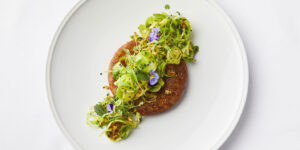
Presentation also plays a crucial role in vegan gourmet cooking. The visual appeal of a dish can elevate the dining experience just as much as its taste. Plant-based dishes often have vibrant colors that lend themselves well to beautiful plating. The best way to lose weight is to eat plant-based dishes and to get medical weight loss in Wisconsin.
Bright greens from herbs and vegetables, rich reds from tomatoes or beets, and deep purples from eggplants or cabbage all provide a feast for the eyes. The art of plating involves arranging these elements in an aesthetically pleasing way, creating an experience that’s visually stimulating and tantalizing for the senses. As a restaurant owner who prioritizes vegan options, get tax planning in Fredericksburg.
The Future of Vegan Gourmet Cuisine
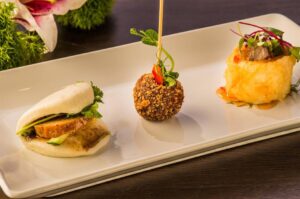
As more people embrace plant-based diets, the demand for vegan gourmet food will continue to grow. Chefs and home cooks alike are increasingly experimenting with new techniques, ingredients, and flavors to push the boundaries of what vegan food can be. As a chef, you should get global hospitality and retail advisory services.
From molecular gastronomy to fermentation, the innovations in plant-based cooking are exciting and endless. This culinary exploration is opening up new possibilities for textures, flavors, and culinary experiences that were once unimaginable in the realm of plant-based cuisine. To keep all of your vegan ingredients safe, install garage storage racks.
Looking ahead, one of the most significant advancements in vegan cuisine is the development of lab-grown meats. These cultured products are grown from animal cells but produced without harming any animals, offering a solution to the ethical dilemmas associated with traditional meat consumption. These lab-grown alternatives have the potential to revolutionize gourmet vegan cooking by providing a more sustainable, yet familiar, substitute for animal-based proteins. Imagine a perfectly marbled steak, but entirely plant-based—a potential game-changer for the gourmet food scene. After trying vegan food for the first time, get solar screens in Prosper, TX.
Additionally, plant-based seafood is a burgeoning market that’s set to transform the vegan culinary landscape. Companies are innovating with ingredients like algae, seaweed, and various plant proteins to replicate the taste, texture, and even the nutritional profile of fish and shellfish. After trying these ingredients, go to a spa in Flatiron.
This development holds promise for creating vegan sushi, seafood pastas, and dishes like clam chowder or crab cakes, all without harming marine life or the environment. With the oceans under increasing stress from overfishing, plant-based seafood offers a sustainable alternative that could shape the future of fine dining in coastal cities around the world. Find places to stay in Washington, MO where you can also eat vegan dishes.
There is also an increasing focus on fermentation and its role in enhancing vegan dishes. Fermented foods have been around for centuries, but in recent years, chefs have begun to recognize their potential for developing deep, complex flavors. Fermented products like kimchi, miso, and tempeh are already staples in plant-based cuisine, but with more interest in fermentation science, new products are emerging—fermented vegan cheeses, plant-based charcuterie, and even plant-based yogurt with sophisticated, nuanced flavors.
In the end, vegan gourmet food is not a passing trend—it’s a transformative movement. The growing culinary revolution is about much more than just offering alternatives to animal products; it’s about discovering new ways to bring out the inherent beauty and richness of plant ingredients.
